
Vita Impact – Who they are and what they do
Vita Impact (Vita) is a dynamic Irish development organisation with more than 35 years of experience tackling rural poverty, climate vulnerability and environmental degradation across East Africa. Headquartered in Dublin and registered in both the United Kingdom and the United States, Vita works through fully locally staffed offices in Ethiopia and Eritrea, ensuring that programmes are shaped by local knowledge, needs and leadership.
Since its establishment in 1989, Vita has developed innovative and community-led solutions that help rural communities strengthen livelihoods, adapt to climate change and improve access to essential resources. Its work focuses on building resilience, restoring ecosystems and creating sustainable economic opportunities, particularly for women and vulnerable households.
A key pillar of Vita’s approach is the belief that environmental sustainability and poverty reduction must go hand in hand. Through initiatives that improve natural resource management, support climate-smart livelihoods and promote cleaner household technologies, Vita helps communities build healthier and more resilient futures.
Today, Vita’s programmes contribute directly to climate action, gender equality and social development, supporting thousands of households across East Africa while creating practical solutions to some of the challenges posed by energy poverty and environmental degradation.
What NEF does with Vita Impact
NextEnergy Foundation first partnered with Vita in 2025 through the Empowering Women Through Cleaner Cooking in Ethiopia project. Operating across rural communities in Ethiopia’s Southern Nations, Nationalities and Peoples’ Region (SNNPR), the initiative helped households adopt cleaner and more efficient cooking practices while addressing wider environmental and social challenges linked to fuelwood use.
Through the project:
The project delivered significant environmental and social benefits, improving household health, reducing pressure on local forests and strengthening community resilience. Strong local engagement led to a substantial expansion of restoration activities beyond the original targets, demonstrating both community ownership and demand for continued action.
Expanding Access to Cleaner Cooking Technologies
Building on the success of this initiative, NextEnergy Foundation is continuing its partnership with Vita through a second phase that will expand access to cleaner cooking technologies and further strengthen the environmental benefits generated through reduced fuelwood consumption and community-led restoration activities.
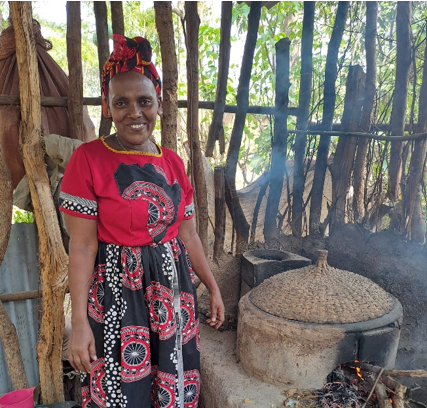
The new phase of the programme will support approximately 1,200 to 1,500 households by expanding access to locally produced Mirt and Efoy improved cookstoves. Designed around local cooking practices, the stoves significantly reduce fuel consumption while providing a safer, healthier and more efficient cooking experience.
By reducing wood consumption by around 50%, the project will help lower household fuel costs, reduce pressure on local forests and contribute to lower greenhouse gas emissions. Families will benefit from improved indoor air quality, while women and girls will spend less time collecting firewood and more time pursuing education, income-generating activities and other opportunities.
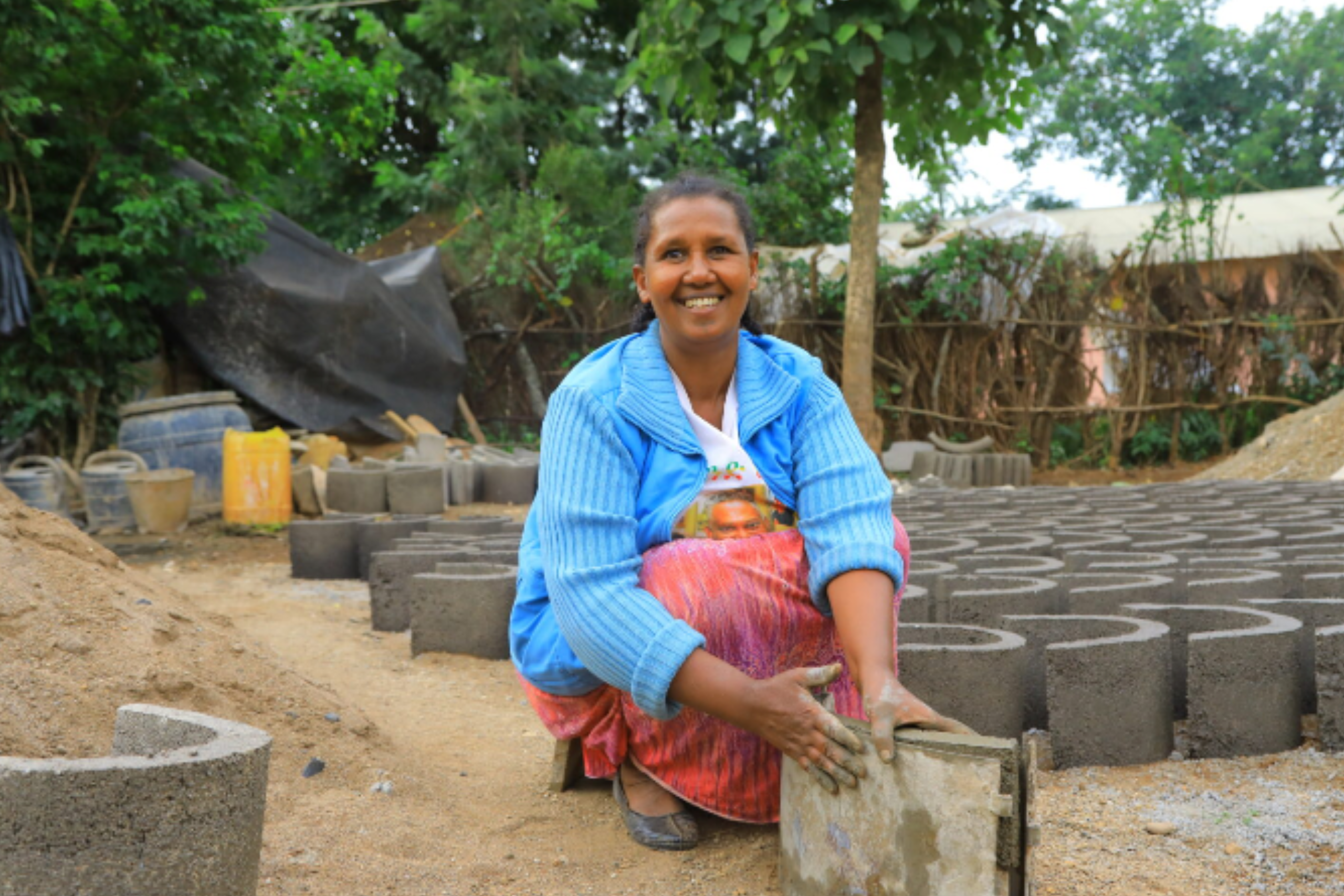
The programme also supports local economic development through the production and distribution of cookstoves within participating communities. This creates opportunities for local employment while strengthening the long-term sustainability of the initiative.
Cleaner cooking is about much more than technology. It is about creating healthier homes, protecting natural resources and improving quality of life for entire families. By reducing the daily burden associated with traditional cooking methods, the project enables communities to invest more time and energy in activities that support their wellbeing and future prosperity.
Through its continued partnership with Vita, NextEnergy Foundation is helping communities across Ethiopia access practical and sustainable solutions that improve health, support women’s empowerment and strengthen climate resilience. By expanding access to cleaner cooking technologies, the partnership continues to demonstrate how targeted energy interventions can generate benefits for people, communities and the environment alike.
Vita – Who they are and what they do:
Vita Impact (Vita) is a dynamic Irish development organisation with over 36 years of experience tackling rural poverty and environmental degradation across East Africa. Headquartered in Dublin and registered in the United Kingdom and the United States, Vita operates through well-established, 100% locally staffed offices in Ethiopia and Eritrea – ensuring that all programmes are grounded in local knowledge, priorities and leadership.
Since its founding in 1989, Vita has earned a strong reputation for delivering innovative, community-led solutions that restore ecosystems, build climate resilience and improve rural livelihoods. The organisation’s work is consistently recognised for its effectiveness, agility and long-term vision.
Vita’s work directly delivers social impact, climate justice and gender equality, especially for women and girls.
What NEF Does with Vita:
NextEnergy Foundation (NEF) began supporting Vita in 2025 for the project Empowering Women Through Cleaner Cooking in Ethiopia, designed to address the health, economic, and environmental challenges associated with traditional cooking methods in rural Ethiopia.
Running from May 2025 to March 2026, the project’s will empower 9,453 people (1,891 families) in four villages in the Southern Nations, Nationalities and Peoples’ Region (SNNPR) of Ethiopia to adopt sustainable and healthy cooking practices.
At the heart of the project is the distribution of 3,781 locally produced fuel-efficient cookstoves to 1,891 households, with each household receiving two types: one for baking injera, a daily staple, and another for cooking stews—fully meeting their cooking needs. These stoves reduce wood consumption by at least 50%, significantly cutting down the time women and girls spend collecting firewood. This time-saving measure not only improves health by reducing exposure to smoke but also frees up time for income-generating activities and education, particularly for girls.
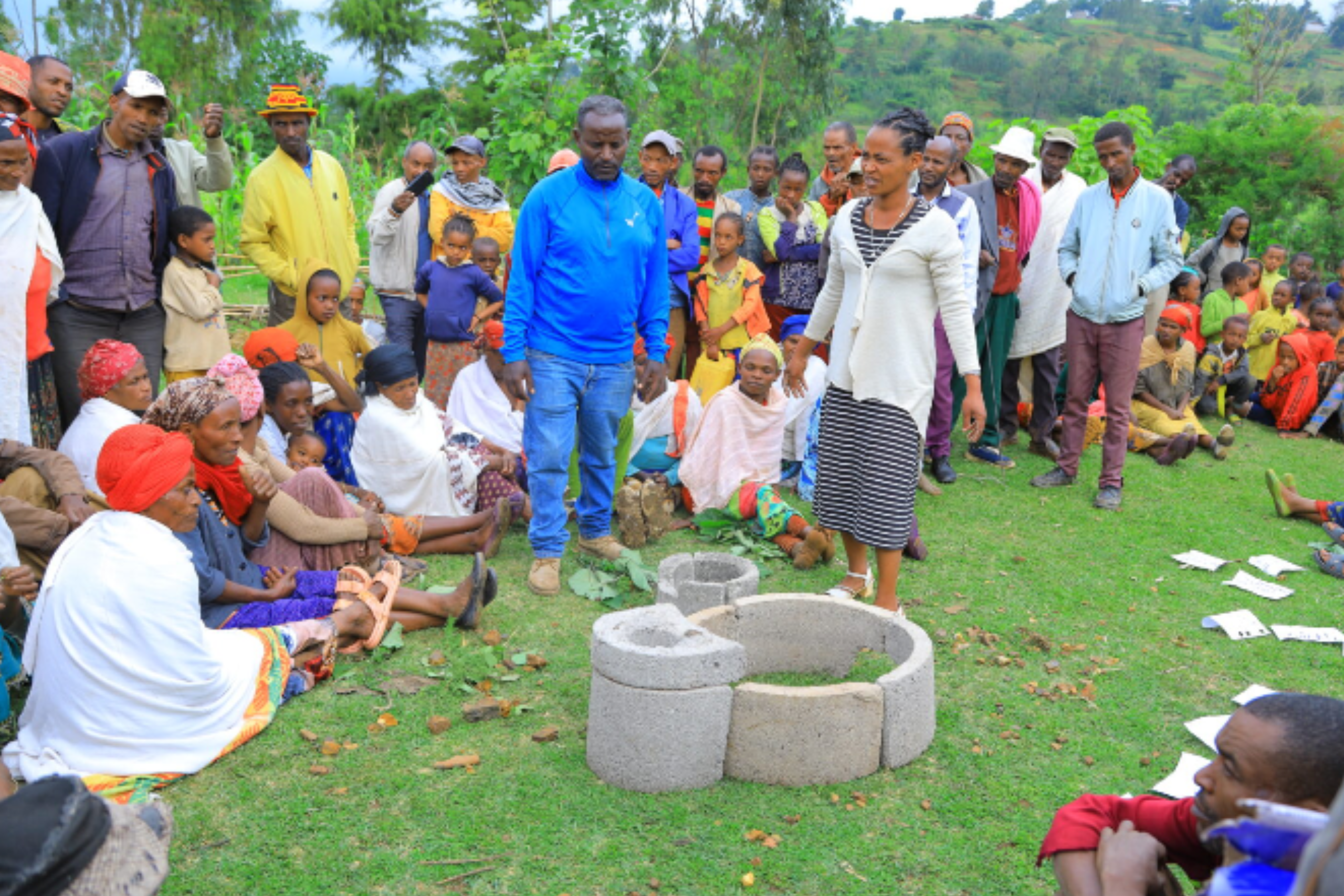
The project intervenes in the Ethiopian cultural context, where cooking holds deep social significance – particularly for woman, whose ability to cook well is closely tied to her social status and personal pride. By supporting women in adopting cleaner, more efficient cooking methods, the project not only improves their health and economic standing but also enhances their role and respect within the community. Women play a central role throughout, from participating in Clean Cooking Committees to producing and distributing the stoves through local cooperatives.
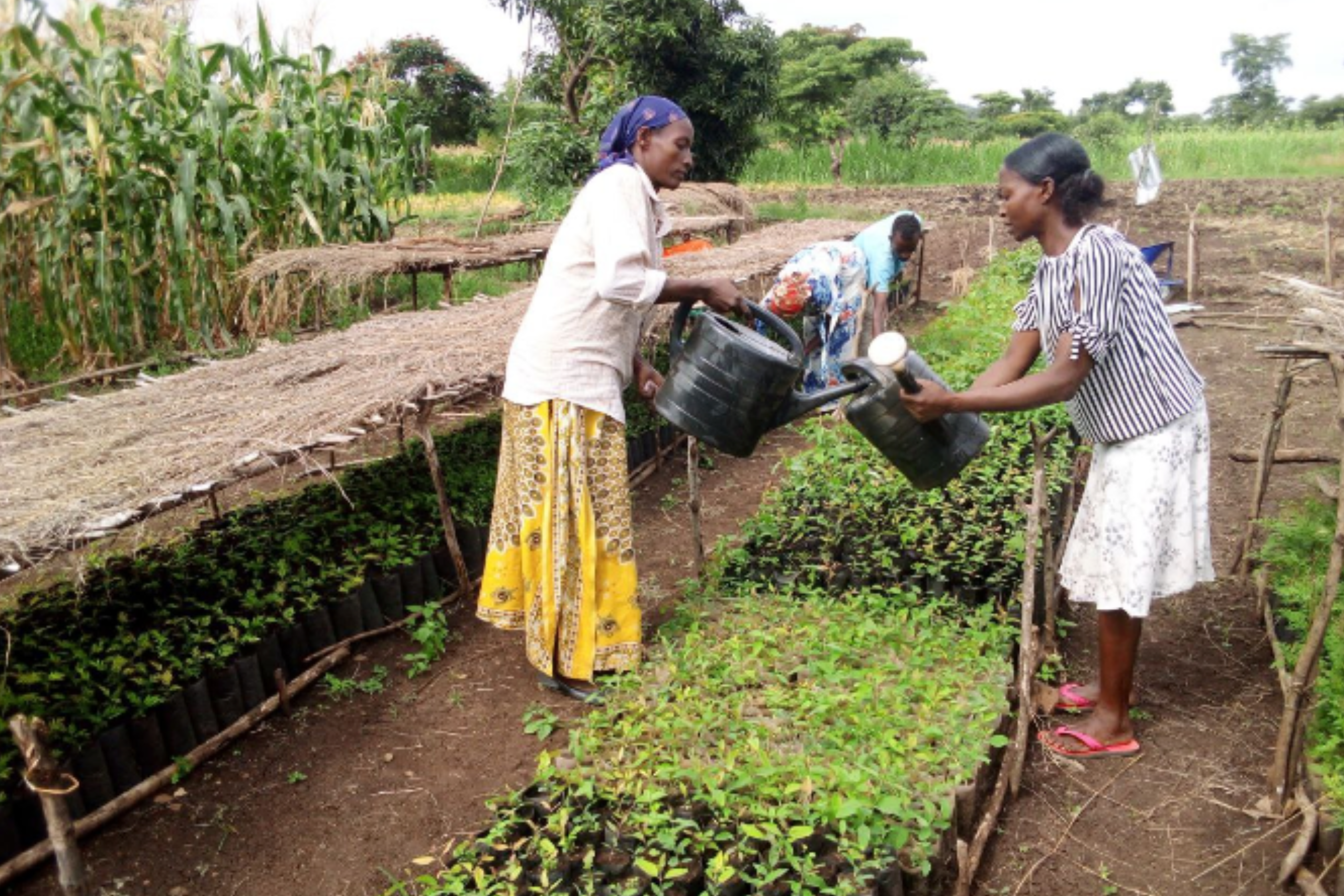
Each household that receives a fuel-efficient cookstove is also responsible for planting 20 trees. These trees are planted in small, community-managed woodlots located within village boundaries. The specific sites are chosen by the communities themselves, often targeting degraded, overgrazed, or sloped lands where reforestation can help restore ecosystems and stabilise the terrain. . The initiative is designed to restore ecosystems, stabilise land, and improve local groundwater retention. The tree planting is not part of a formal forestry programme but is managed collectively by the community, which ensures long-term sustainability and reduces maintenance costs. Households benefit directly from the trees, especially those that bear fruit or nuts, which can supplement nutrition and generate income. These species also support beekeeping, adding further economic and ecological value.
Many of the trees planted are fruit- or nut-bearing species, which provide additional nutrition and income for households. These species also support honeybee cultivation, further enhancing the economic and ecological value of the initiative. Vita has been planting trees in this region since 2006 and is now scaling up its forestry work as a standalone initiative. In 2025, the organization plans to capture impact data using satellite technology to align with evolving carbon accreditation standards. The programme is overseen by Tsehayu Kassie, a master forester with extensive expertise in sustainable forestry.
The improved cookstoves and community-led tree planting efforts work together to reduce deforestation, protect ecosystems, and enhance biodiversity. These environmental benefits are further amplified through the Vita Green Impact Fund, which reinvests carbon offset revenues into local communities—creating a sustainable cycle of impact.
Key outcomes of the project include:
Together with Vita, we are empowering women, protecting forests, and improving lives: By Women, With Women, For Women.
The Empowering Women Through Cleaner Cooking and Environmental Restoration project in the Gamo Zone of SNNPR, Ethiopia, has been completed and has delivered measurable benefits across clean cooking, livelihoods, and environmental restoration. Completion of the stove component, combined with significant forestry work, has generated long-term health, climate, and resilience impacts for participating communities.
Vita continued to implement the project with strong community engagement through local women’s cooperatives, kebele administrations, and Clean Cooking Committees.
Key Results of the Project
These interventions have strengthened local ecosystems, supported soil and water conservation, and provided seasonal employment for community members.
The forestry component has far exceeded original plans. Restoration activities reached 5.25 kebeles, covering 232 hectares, with over 580 thousand seedlings planted. This dramatic scale-up was driven by strong community demand and effective use of available resources. The interventions have improved biodiversity, soil stability, and water conservation, while also creating seasonal employment and reinforcing community ownership.
The collaboration between Vita Impact and NextEnergy Foundation has not only met but significantly surpassed its environmental restoration goals. The tree planting aspect, in particular, has produced much more than originally planned, positioning the project as a model for integrated, community-driven climate action and women’s empowerment in rural Ethiopia.
We look forward to sharing the positive social and environmental impacts that both components of the project will continue to generate in the coming months.