
Sopowerful Foundation – Who they are and what they do
Sopowerful Foundation was established in 2019 with the mission of applying “solar where it matters most”, bringing renewable energy to places where access to electricity can unlock essential services and create lasting opportunities for underserved communities. Since its foundation, the organisation has implemented solar systems primarily in Malawi, as well as in Tanzania and Lebanon, with a focus on projects that enable or strengthen healthcare, education and access to water.
Sopowerful’s work is grounded in the belief that solar energy can be a practical driver of sustainable development. The organisation focuses on communities where the lack of reliable electricity creates daily challenges, limiting access to healthcare, education, water and economic opportunity. By installing solar power systems in carefully selected facilities, Sopowerful helps ensure that energy becomes a tool for improving lives, rather than a barrier to progress.
The organisation works closely with local partners and beneficiaries to design projects that respond directly to community needs. Its approach places strong emphasis on local ownership, long-term sustainability and continued monitoring after installation, helping ensure that systems are properly maintained and continue delivering impact over time.
Through its projects, Sopowerful Foundation demonstrates how targeted solar installations can strengthen essential services, reduce operating costs and help vulnerable communities build greater resilience.
What NEF Does with Sopowerful Foundation
NextEnergy Foundation has partnered with Sopowerful Foundation to deliver renewable energy projects that improve access to healthcare, water and community services in underserved areas of East Africa.
Previous initiatives supported by NEF include:
Building on these successful healthcare initiatives, NEF and Sopowerful Foundation are continuing their partnership through two new projects in Malawi that demonstrate how renewable energy can support both healthcare services and sustainable livelihoods.
Project 1 – Strengthening healthcare at Koche Community Hospital
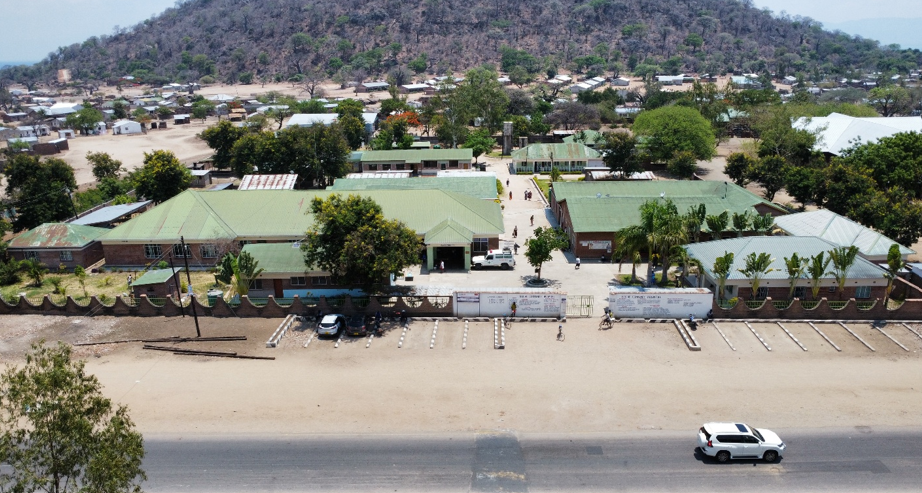
Koche Community Hospital is a faith-based health facility under the Christian Health Association of Malawi, located in Michesi Village near Nkopola, in Mangochi District. Established in 1981, the hospital acts as a key referral and treatment centre for surrounding rural communities, providing services including laboratory care, surgery, maternity care, radiology, dental and eye services, and oxygen therapy.
Despite its critical role, the hospital faces major operational challenges due to unreliable and expensive electricity. Power shortages affect medical procedures, equipment sterilisation, diagnostics and water supply, while the facility’s reliance on generators creates high fuel and maintenance costs. In some cases, patients have to be referred to Mangochi District Hospital instead of receiving timely treatment locally.
Through this project, NEF will support the installation of a solar and battery storage system designed around the hospital’s most urgent energy needs. The system will include 32.4 kWp of installed solar capacity, 30 kVA inverters and 60 kWh of battery storage, helping power laboratory, theatre, dental and eye clinic operations, radiology equipment, oxygen therapy, sterilisation equipment and direct water pumping.
Reliable solar power will allow Koche Community Hospital to deliver faster, safer and more consistent healthcare. It will reduce generator use and operating costs, support critical medical services and help avoid unnecessary referrals that place additional burdens on patients and families.
The impact is expected to be significant. Based on the hospital’s recent patient numbers, the project is expected to benefit between 30,000 and 40,000 patients each year, strengthening healthcare access for rural communities that depend on the hospital for essential services.
Project 2 – Supporting women farmers and food security in Namikhate
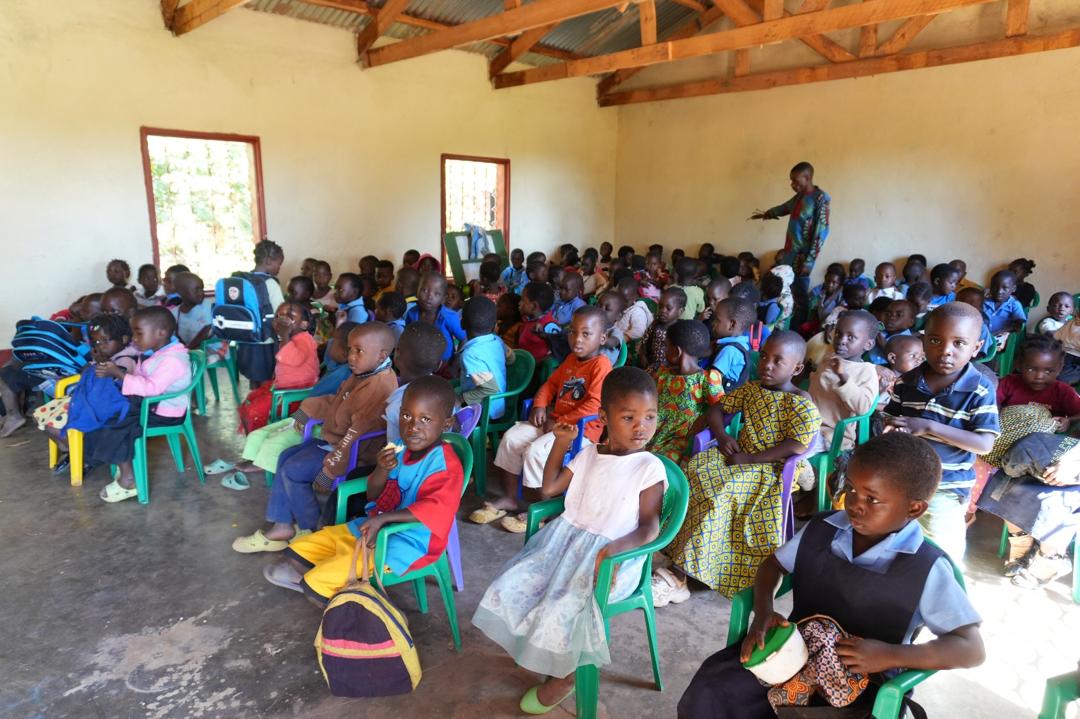
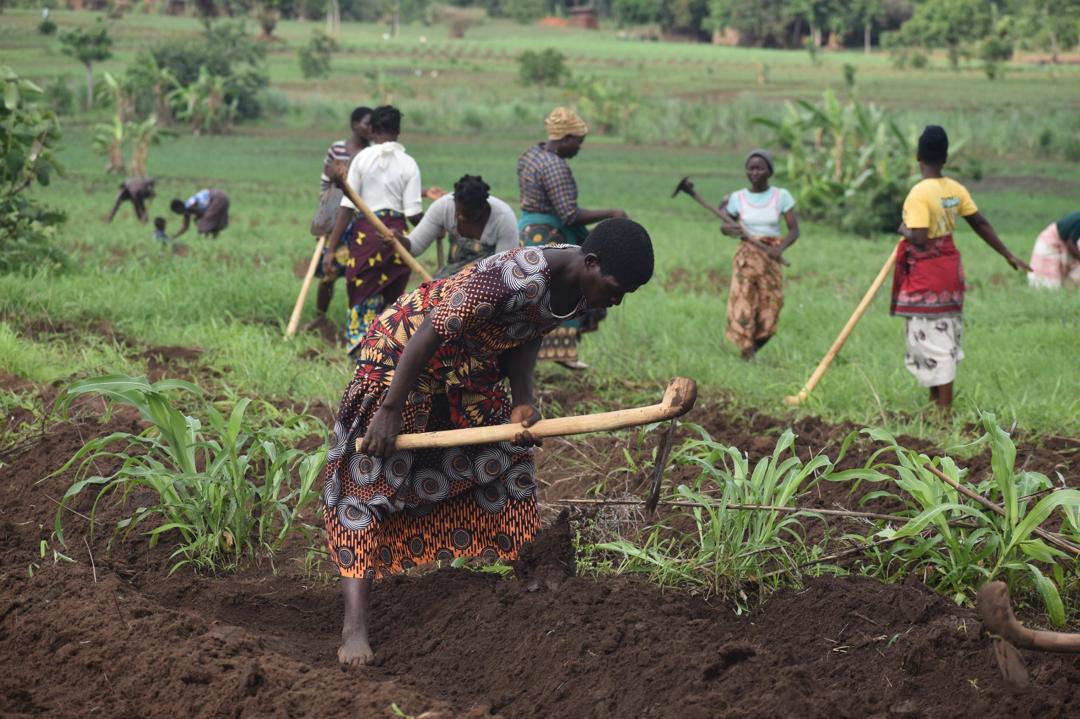
The second project will support Namikhate Cooperative, a community-based agricultural initiative in Namikhate Village. The cooperative supports 80 women farmers, 178 children through a school feeding programme and a wider catchment population of 3,232 people.
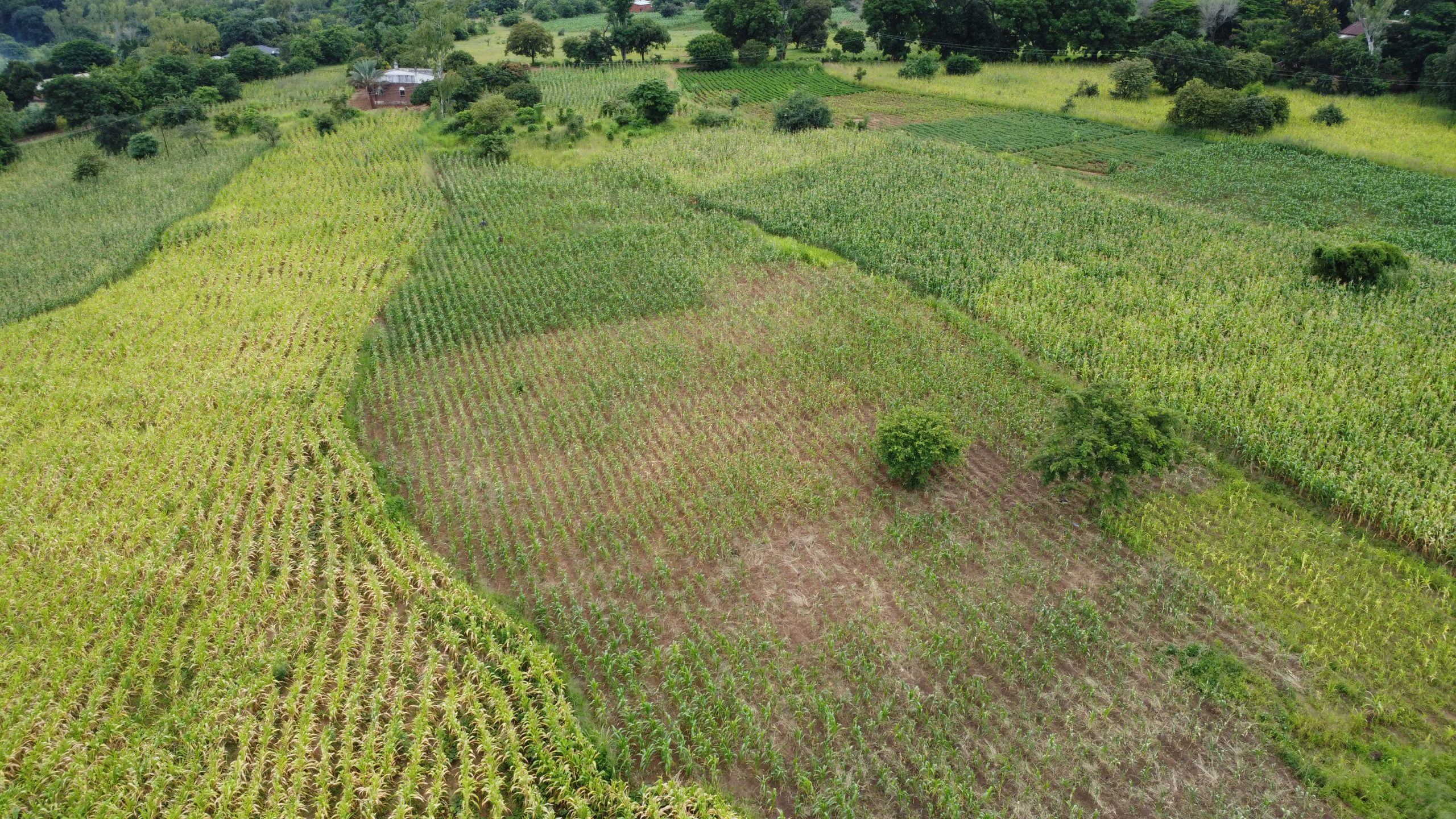
At present, the cooperative’s agricultural production is severely limited by the mismatch between land availability and water access. During the rainy season, the cooperative can use only around two acres of land, while during the dry season more land becomes available but cannot be cultivated because there is no reliable water source. As a result, farming remains largely rain-fed, seasonal and vulnerable to delayed rains or dry spells.
Through the Namikhate Irrigation Project, NEF will support the introduction of a solar-powered irrigation system designed to enable dry-season cultivation across six acres of land. The system will allow the cooperative to move from a single seasonal production cycle on two acres to a more productive and diversified model combining rainy-season farming with irrigated dry-season agriculture.
The irrigation system will be managed collectively by the women’s cooperative and will support the cultivation of crops including maize, soybeans and vegetables. It is expected to increase crop production, improve food availability for households and the nursery school feeding programme, and generate surplus produce that can be sold to increase women’s incomes.
By enabling more reliable, year-round farming, the project will strengthen food security, improve household income and reduce dependence on rainfall. It will also contribute to women’s economic empowerment by giving cooperative members greater control over agricultural production and increasing their ability to participate in household and community decision-making.
Sopowerful Foundation – Who they are and what they do
The Sopowerful Foundation is a Dutch organization founded in 2019 with the mission to apply solar energy “where it matters most”—specifically in underserved communities facing critical challenges due to lack of reliable electricity. Sopowerful empowers local, life-changing initiatives by installing solar-powered systems in three key areas:
Sopowerful operates through close collaboration with local partners to identify communities where electricity shortages severely impact daily life. Their process begins with assessing urgent needs in healthcare, education, and water access, and then designing solar-powered solutions that are both technically robust and socially sustainable. Sopowerful emphasizes long-term impact by involving local stakeholders throughout the implementation process, ensuring that each system is maintained and embraced by the community. Their work is aligned with several UN Sustainable Development Goals, reinforcing their commitment to equitable development and climate resilience.
Since its inception in 2019, the Sopowerful has installed over 30 solar systems across Malawi, Tanzania, and Lebanon, positively impacting more than 300,000 lives. These installations have transformed clinics, schools, and water systems, bringing reliable electricity to places where it was previously unavailable or unstable.
In 2024, Sopowerful partnered for the first time with the NextEnergy Foundation to install an 8.1kWp rooftop solar photovoltaic system at the Chiringa Health Centre in Phalombe, Malawi. Despite being connected to the grid, the centre faced daily power outages that compromised healthcare delivery. The new solar system now ensures a stable energy supply, enabling uninterrupted medical services and contributing to a reduction of nearly one tonne of CO₂ emissions annually. The Chiringa Health Centre project, supported by the NextEnergy Foundation in 2024, stands out as a powerful example of this impact. Thanks to the solar power system, the centre now offers consistent healthcare services and access to clean water, significantly improving the quality of life for the 16,700 people it serves annually.
What NEF Does with Sopowerful Foundation:
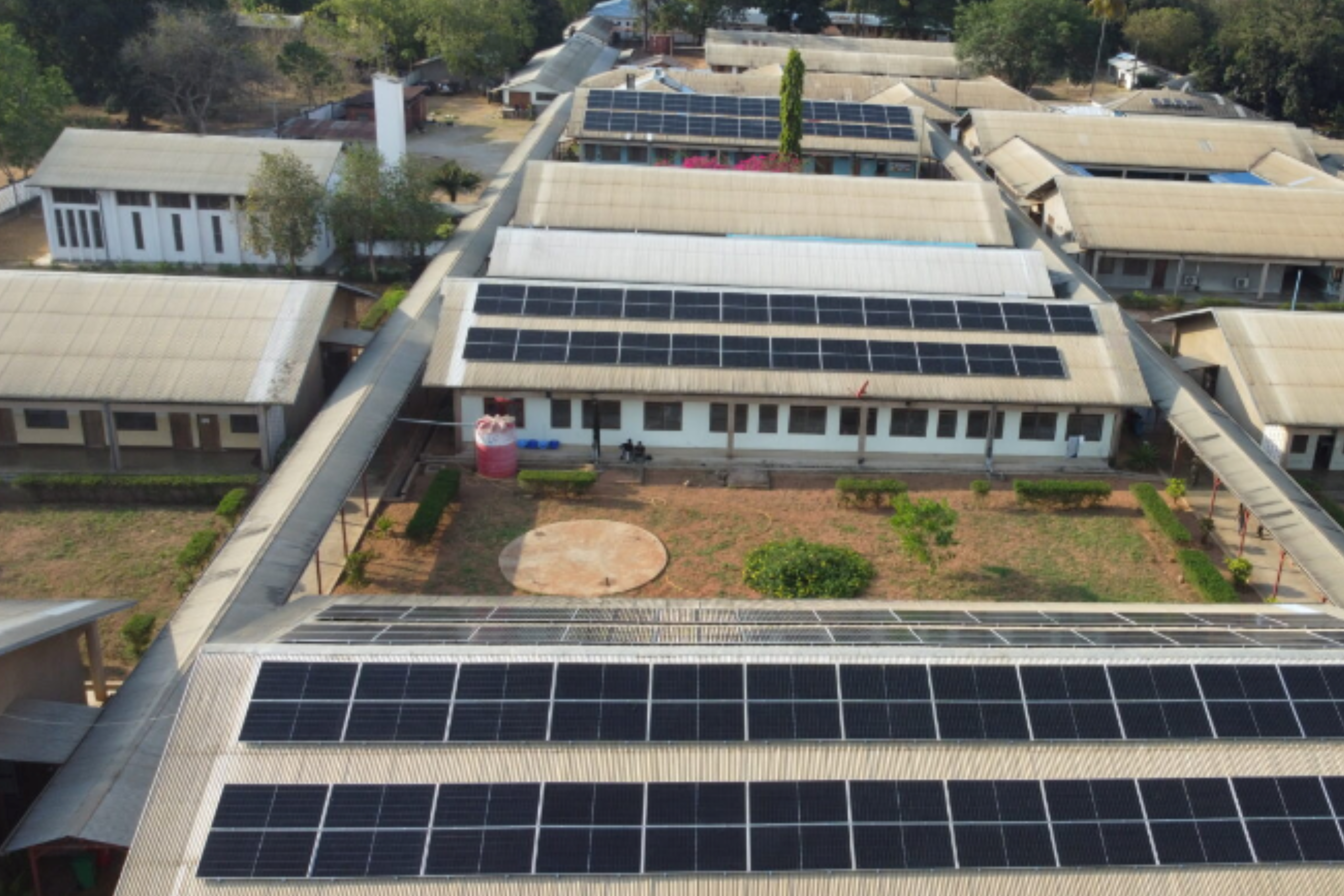
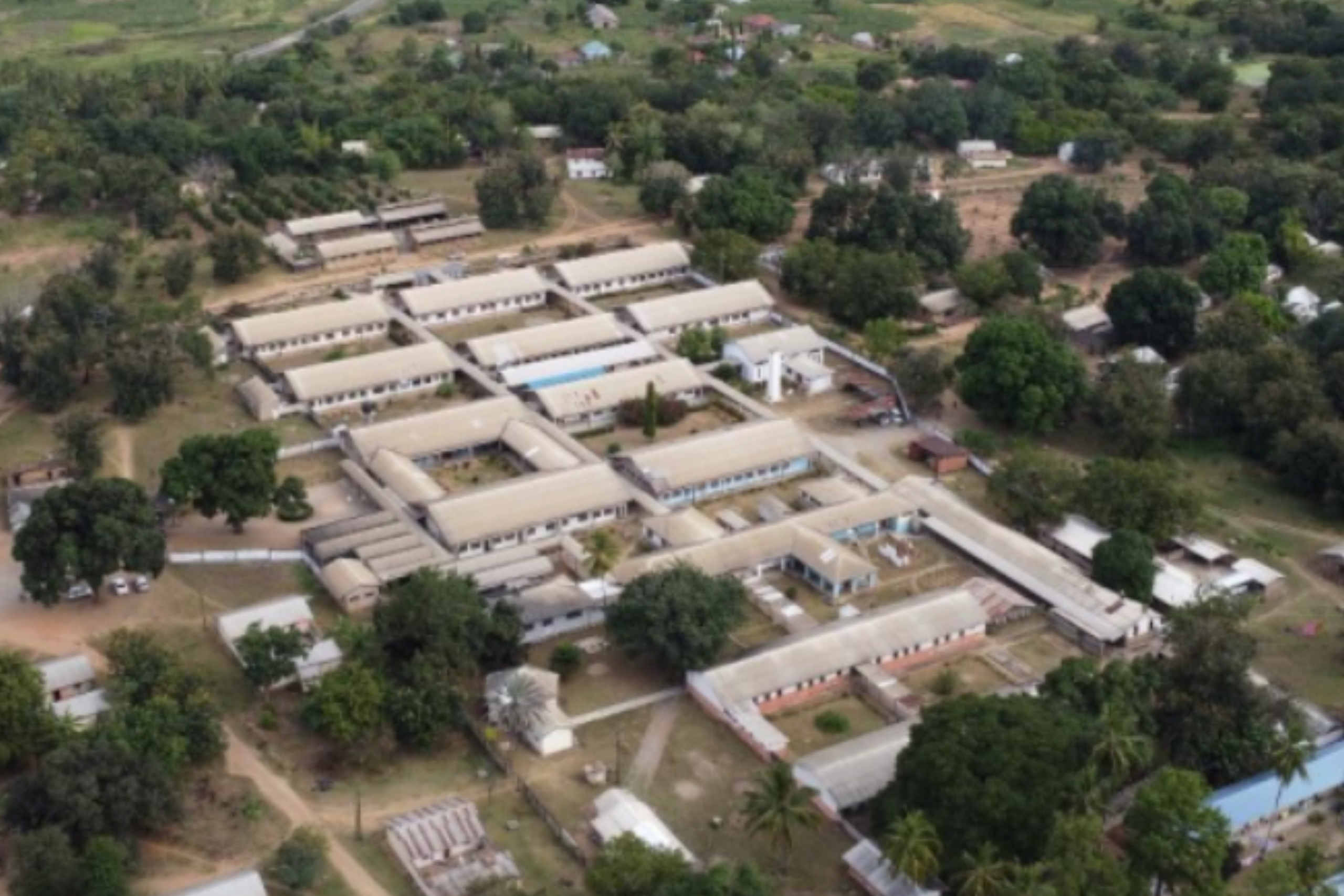
In 2025, the NextEnergy Foundation partnered with the Sopowerful to implement a transformative solar energy project at St. Walburg’s Nyangao Referral Hospital in Tanzania’s Lindi region. The hospital, which serves a catchment area of nearly 1.93 million people and treated over 64,000 patients in 2024, has long struggled with unreliable electricity from the national grid—facing frequent outages, voltage fluctuations, high power costs and damage to critical medical equipment.
To address this, Sopowerful designed a professional-grade solar power system tailored to the hospital’s needs. The installation will feature 360 solar modules donated by the NextEnergy Foundation, delivering a total installed capacity of 210kWp. This system will be paired with a 250kW inverter and 512kWh of battery storage, ensuring stable and high-quality electricity for essential departments such as emergency, ICU, operating rooms, laboratory, radiology, pharmacy, and more than 20 other units.
The solar system will enable the hospital to reduce its dependence on diesel generators, lower its carbon footprint, and significantly improve healthcare delivery for over 60,000 people annually. The installation is scheduled for completion before the onset of Tanzania’s rainy season in mid-November 2025, marking a major step toward sustainable and resilient healthcare infrastructure in the region.
Mounting activities were completed in November, and the system is expected to be fully operational by end-year. Throughout 2026 Sopowerful will provide NEF with reports on the positive impacts generated by the solar system installation.
Sopowerful Foundation was established in 2019 with the mission to apply ‘solar where it matters most’. Since its foundation in 2019, it has implemented over 20 solar systems, most of these in Malawi, two in Tanzania and one in Lebanon. Over 110,000 people have been positively impacted to date.
The solar power installations are realized to enable or empower Healthcare, Education or access to Water where this creates or improves opportunities for children. Electrification through solar power enables tangible and sustainable development in those areas where the lack of access to electricity implies daily experience of severe challenges.
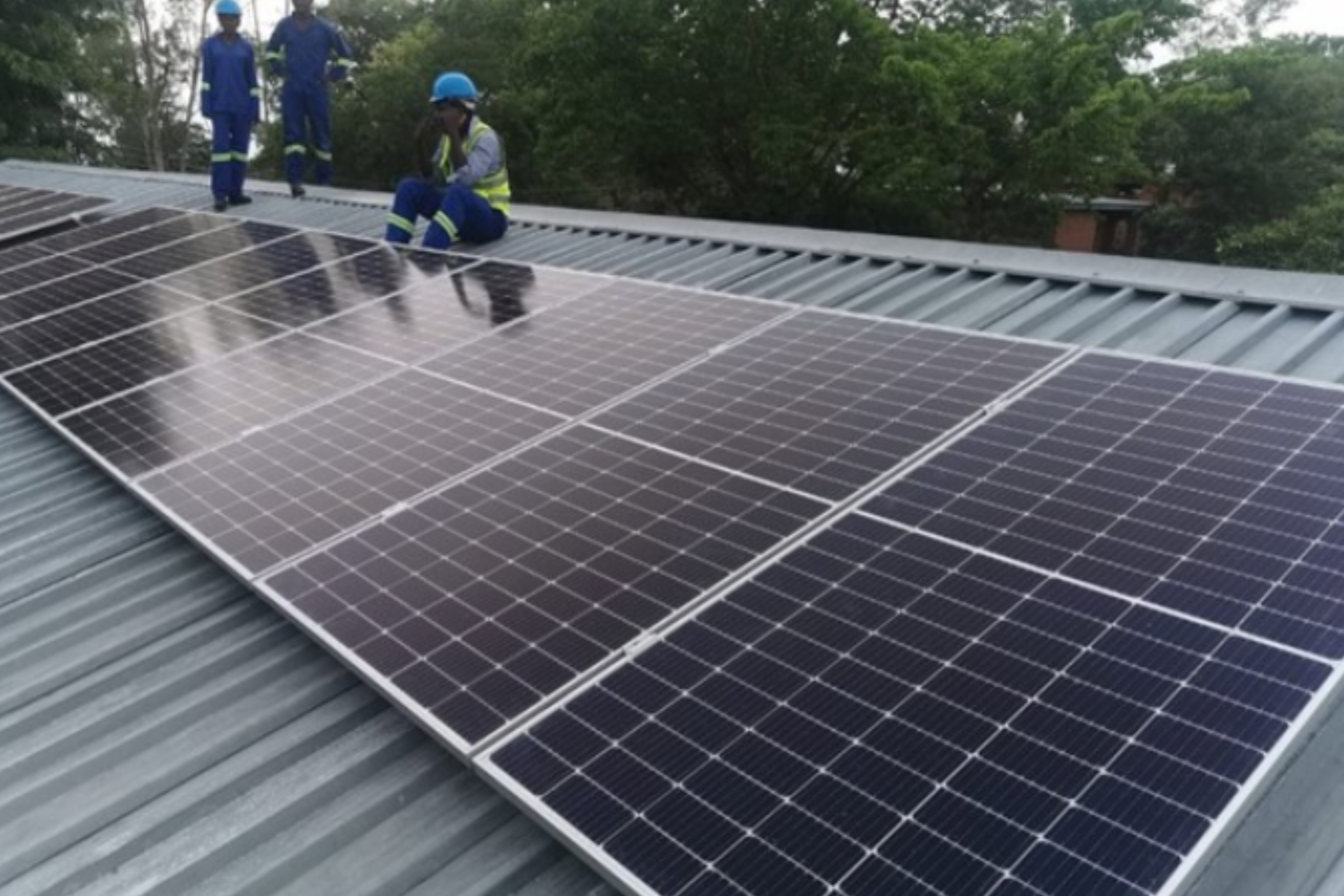
NextEnergy Foundation is supporting SoPowerful to install an 8.1kWp rooftop solar PV system on Chiringa Health Centre in Phalombe, Southern Region, Malawi.
The Heath Center is located in the southern region of Malawi in the Phalombe District, a vulnerable area that is regularly affected by cyclones. The center offers health services to over 16,700 people every year. It is currently grid connected although it suffers from regular, daily power cuts, which limits the healthcare services that can be provided .
Following Cyclone Freddy in early 2022, Chiringa Health Center went without electricity for 2.5 months. In this period the hospital managed to serve 8587 patients and referred 200 patients to another facility.
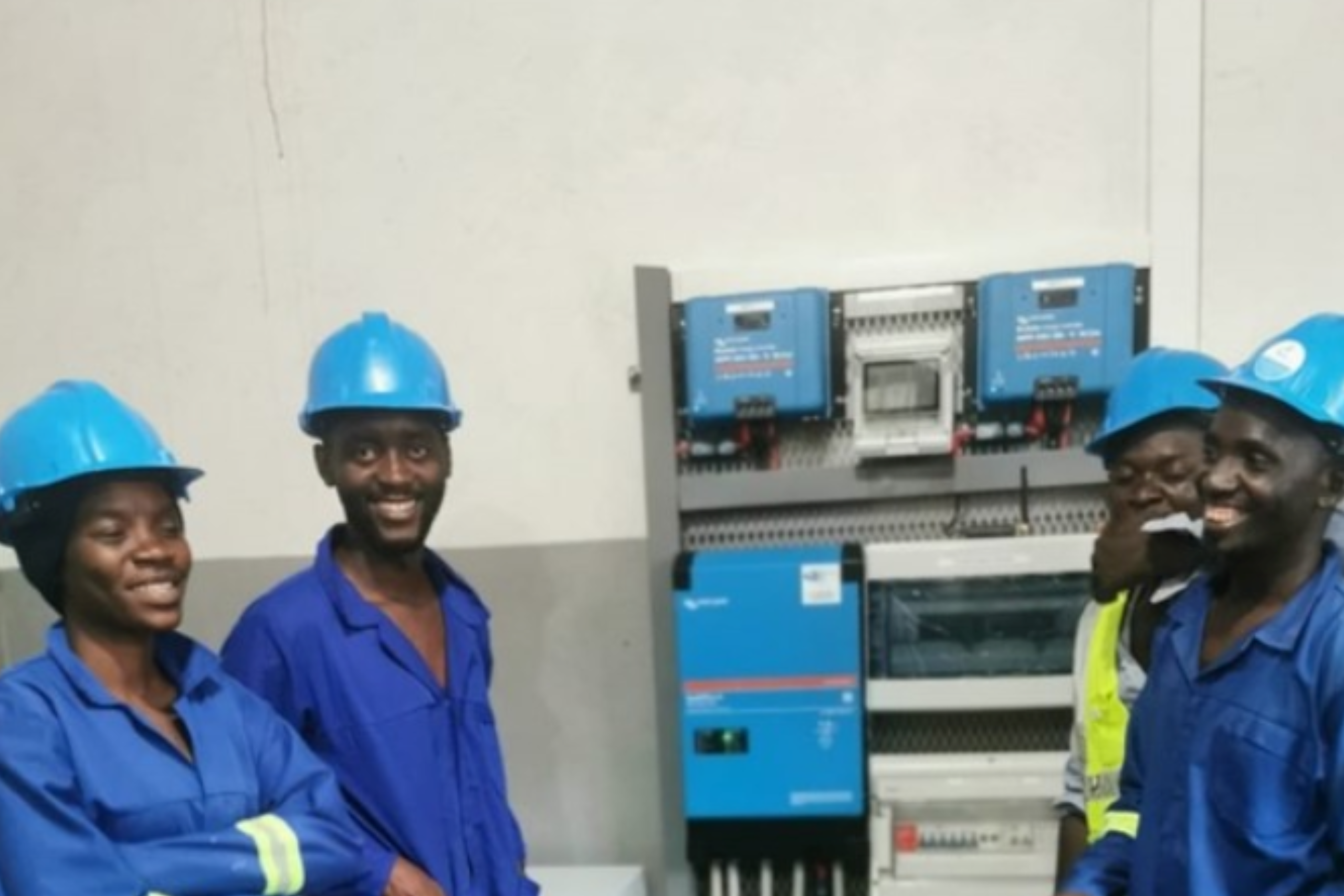
The health center staff is onboard and committed to learning about how to operate and manage the system to ensure the project’s long-term success.
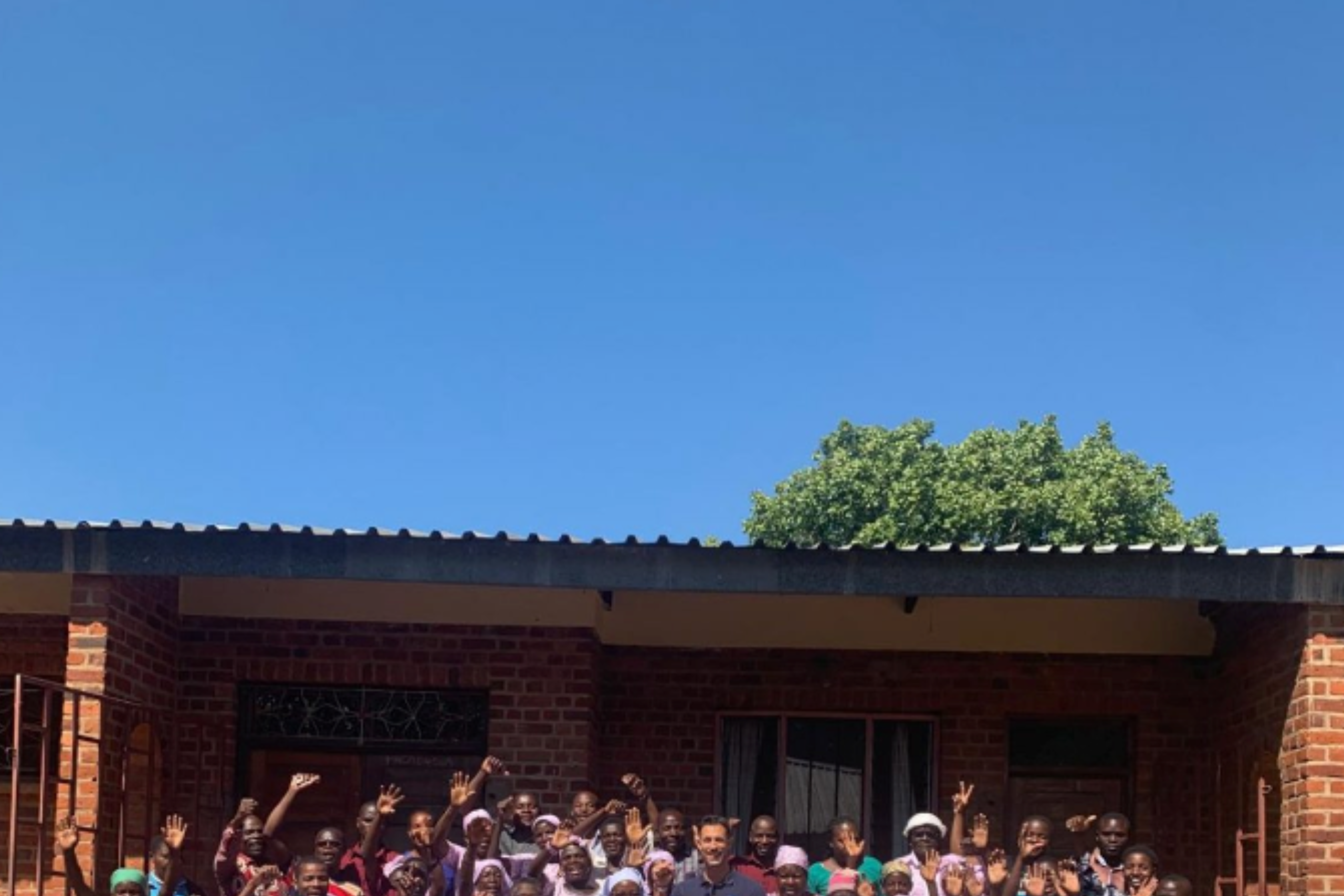
Sopowerful celebrated the inauguration and handover of the new solar system, which brought great joy to everyone involved.
The project is contributing to the following relevant achievements:
Moreover, the solar power system facilitates safe and reliable access to clean water. These sustainable solutions will empower Chiringa to fulfill its mandate of delivering quality healthcare services even in challenging circumstances.
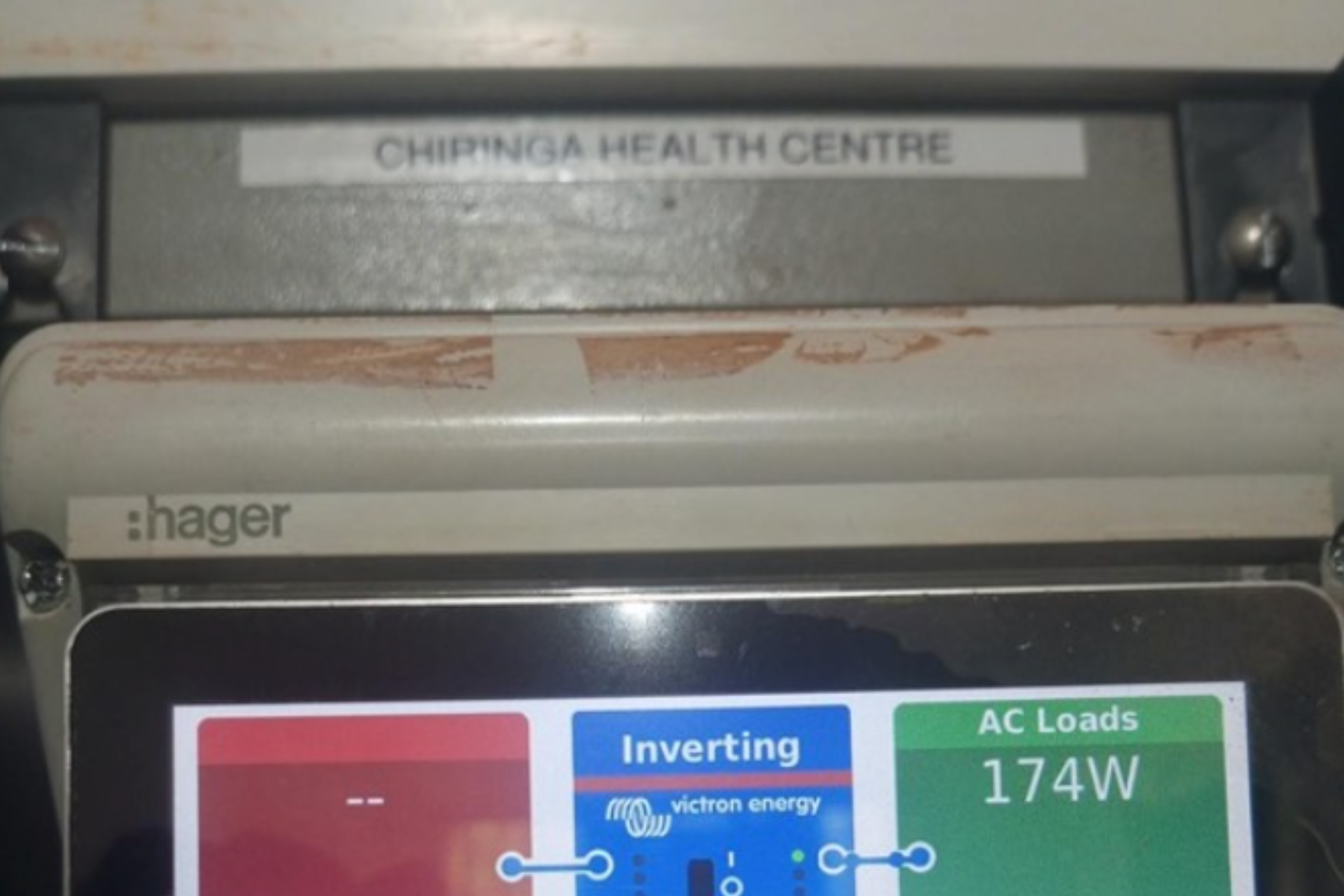
The system, consisting of an 8.1kW peak rooftop-mounted solar PV array, is now serving as the primary power source for the health center, with the grid serving as a backup. Since its installation, the solar PV hybrid system has consistently provided reliable power for the health center, ensuring uninterrupted operation.
During commissioning and handover, 3 people from the Health Center were trained on the basic operation and maintenance of the system.