
Mercy Hands Europe – Who They Are and What They Do
Mercy Hands Europe (MHEU) is a women‑led, international non‑profit organisation based in Geneva. Working across Syria, Iraq, Ethiopia and other crisis‑affected regions, MHEU delivers humanitarian aid and development programmes in partnership with trusted local organisations.
Its mission is to uphold human dignity, promote sustainable development, and ensure that local communities lead the solutions to the challenges they face. The organisation works across multiple sectors—including health, education, livelihoods, protection, agriculture and WASH—with a strong commitment to culturally sensitive, community‑driven interventions.
What NEF Does with Mercy Hands Europe
NextEnergy Foundation began its partnership with Mercy Hands Europe in 2026, supporting a renewable‑energy project designed to strengthen essential services in rural communities in northern Syria. The initiative focuses on improving access to electricity for healthcare and enhancing agricultural productivity for olive farmers who face growing climate and economic pressures.
Bringing Solar Energy to Al‑Bab District, Syria: In 2026, NEF is supporting Mercy Hands Europe to bring clean, reliable solar energy to rural communities in Qabbasin, Al‑Bab and Bizaa (Aleppo Governorate). The project addresses persistent power shortages affecting both healthcare and agriculture—two sectors central to community wellbeing and economic recovery.
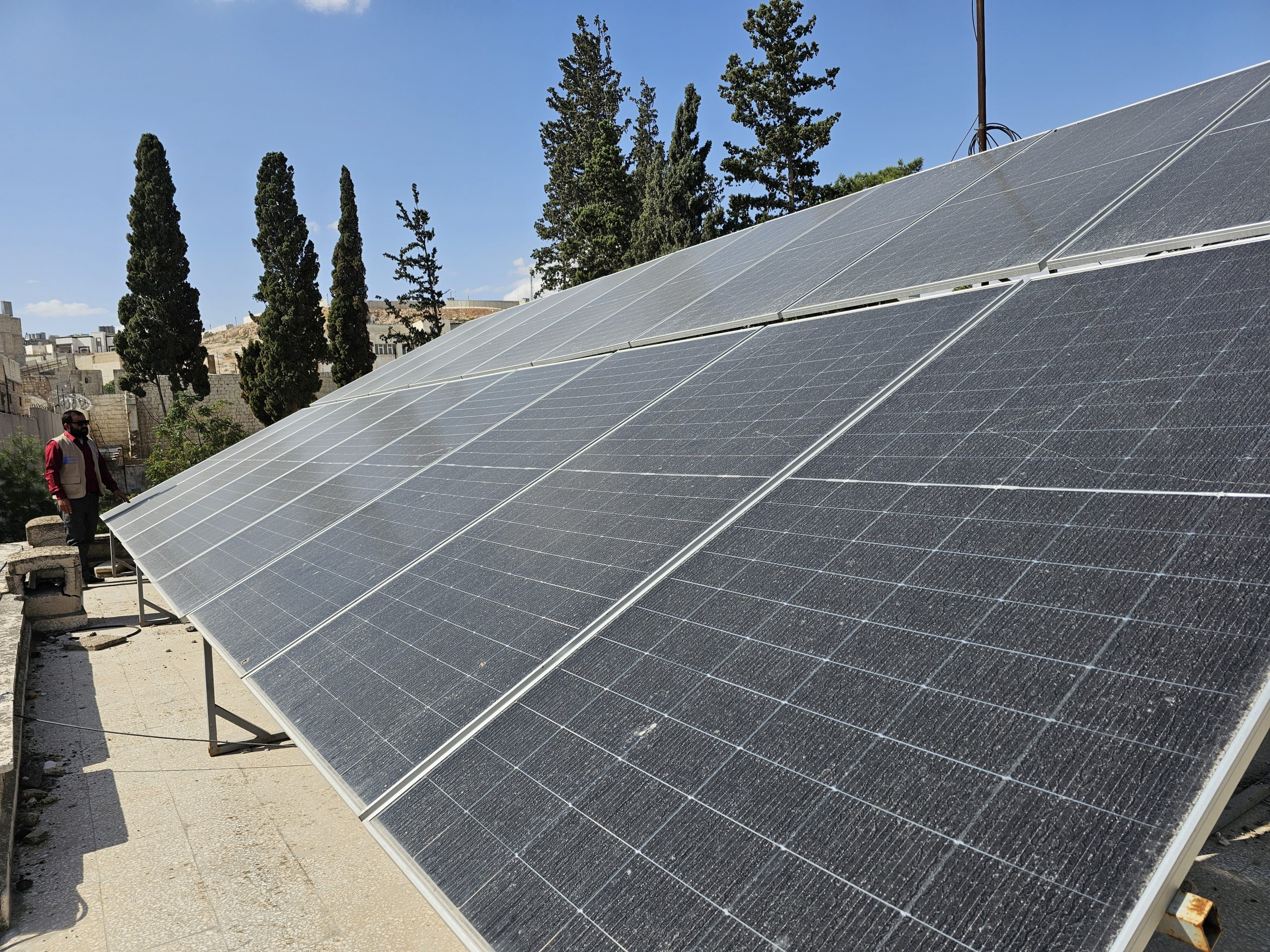
At the Safe Haven Syria healthcare centre, a rooftop solar system will provide uninterrupted power for essential physiotherapy and psychosocial services for women and children. This shift away from diesel generators will reduce costs, increase reliability and improve service continuity, particularly during emergencies.
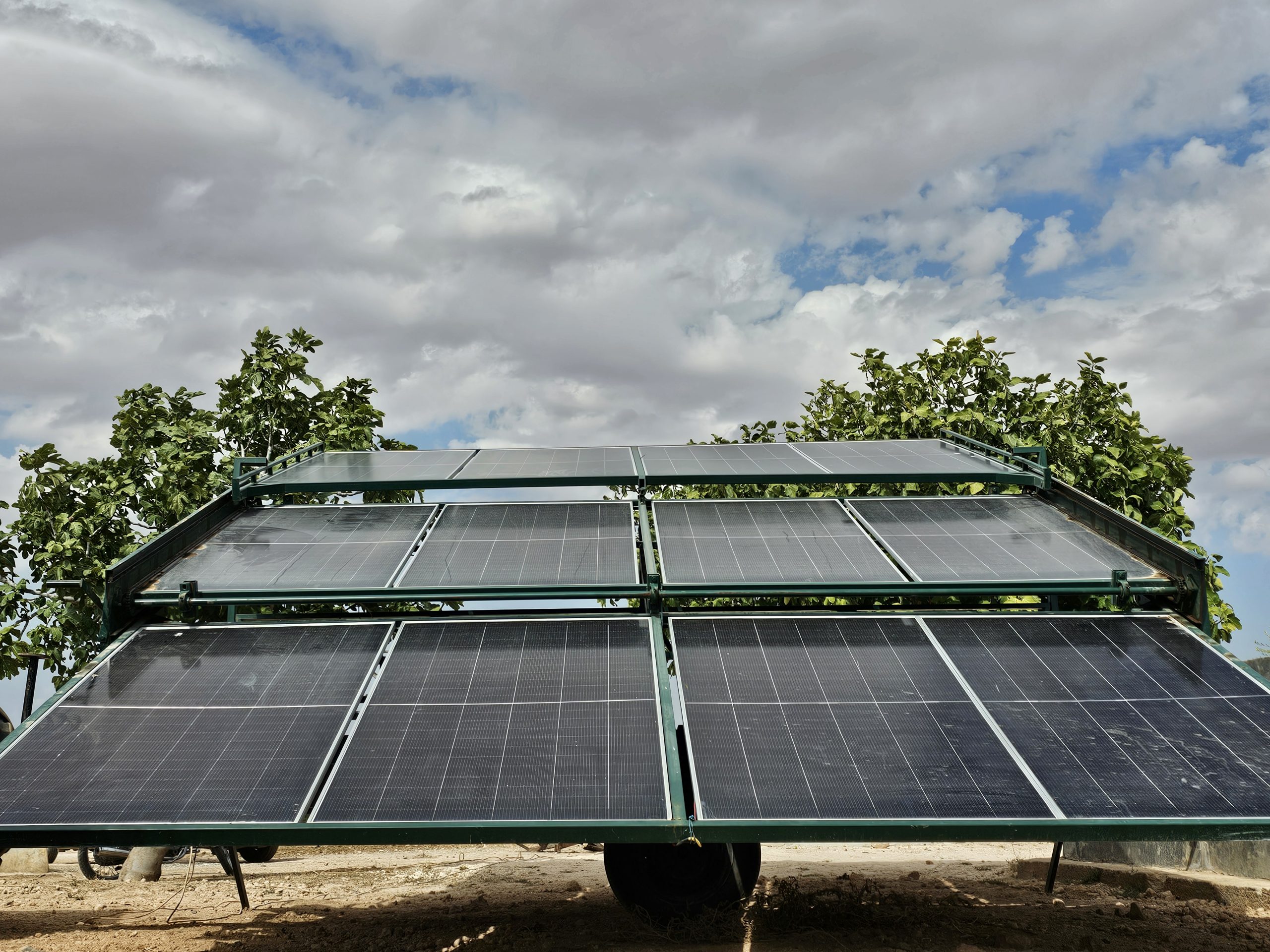
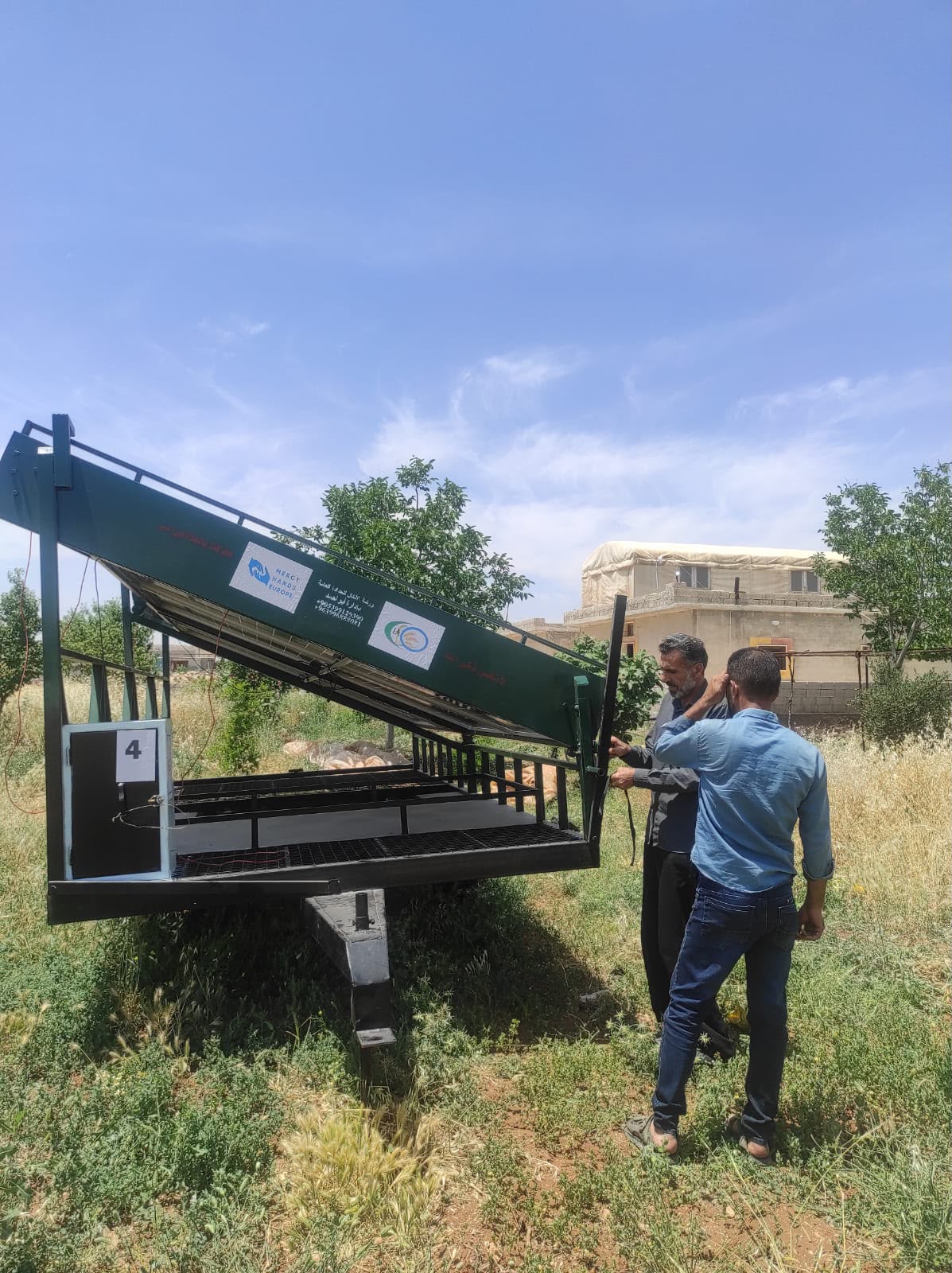
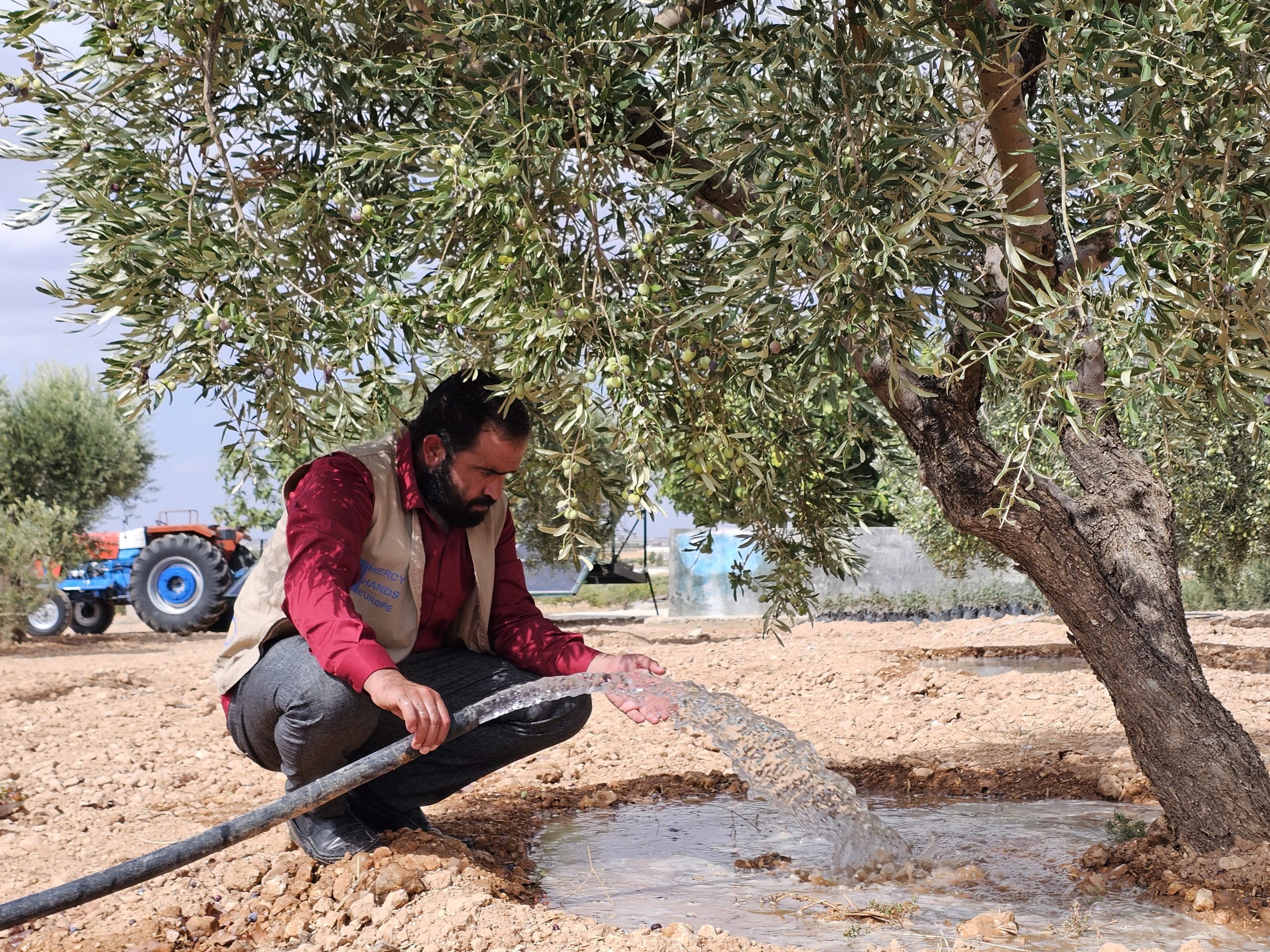
In parallel, the project will deploy two mobile solar‑powered irrigation units in Al‑Bab and Bizaa. These systems will support olive farmers with efficient, low‑cost irrigation during the spring and summer seasons, reducing reliance on expensive diesel pumps. Farmers will also participate in training on system use, maintenance and advanced irrigation practices, strengthening long‑term agricultural resilience.
Overall, the project aims to create a more stable and sustainable local environment by ensuring reliable electricity for healthcare and improving water access for farming—directly benefiting thousands of residents and supporting economic recovery in conflict‑affected communities.
Expected Impacts
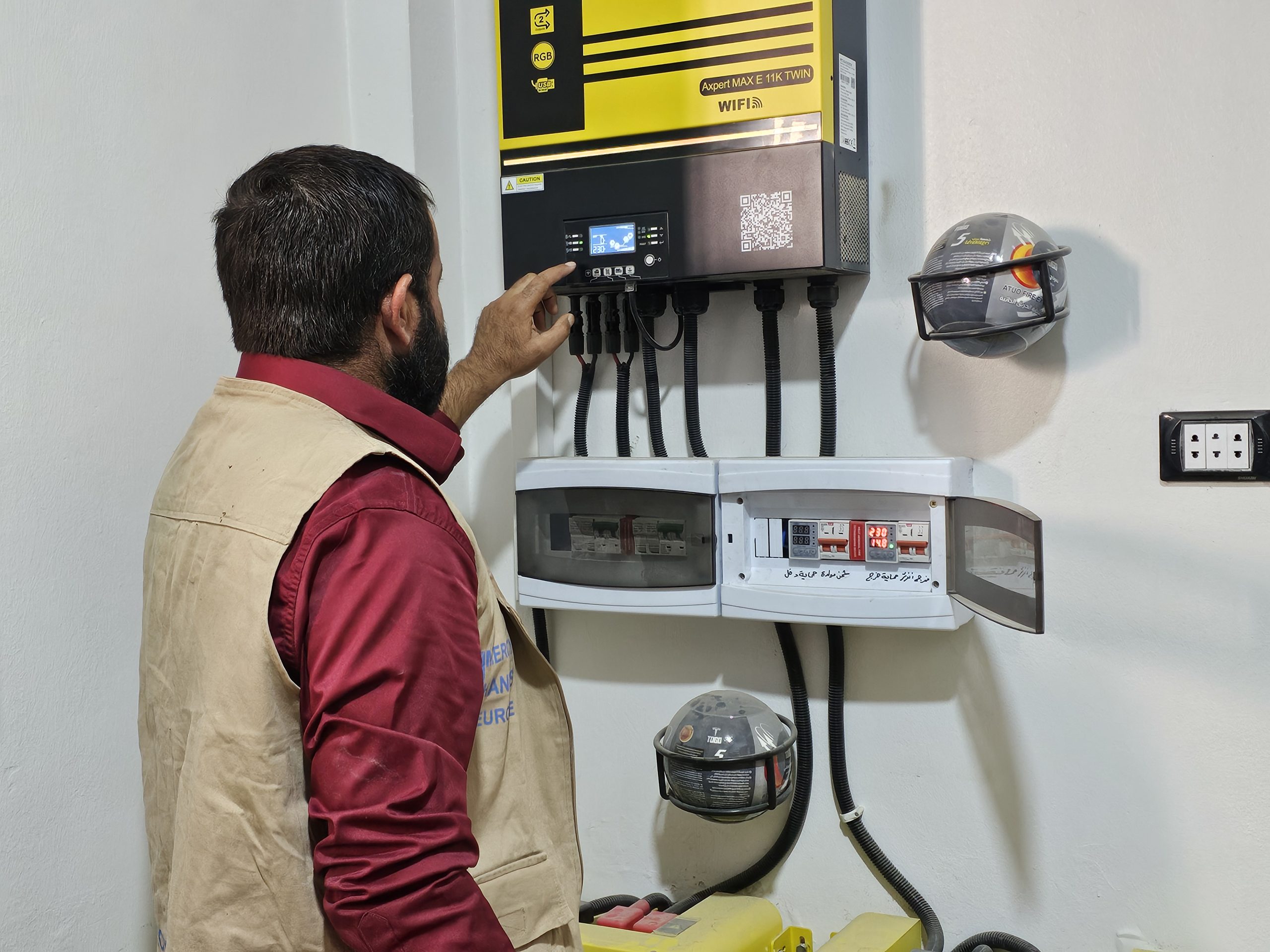
Following the successful completion of the installation phase, the solar energy systems are now operational across Al-Bab District in northern Syria. The project has delivered a total of 25.32 kWp of solar capacity, providing clean and reliable energy for healthcare services and agricultural irrigation.
At the Al-Bab Health Directorate, an 11.16 kWp rooftop solar PV system with battery storage is helping ensure uninterrupted electricity for essential healthcare services, including vaccination, emergency response, medical examinations and outpatient care. During the project’s initial implementation phase, the facility recorded 861 direct service users benefiting from improved service continuity across six departments. The system is expected to generate approximately 18.3 MWh of clean electricity per year, while avoiding around 15 tonnes of CO₂ emissions annually.
In parallel, two mobile solar-powered irrigation units have been deployed to support olive farmers in the region. The systems have already provided irrigation for 8,550 olive trees and supported 21 farmers, all of whom received training on system operation and maintenance. By replacing diesel-powered pumping, the irrigation units are expected to reduce fuel consumption and improve access to affordable water for agriculture, strengthening the resilience of rural livelihoods in a region facing significant economic and climate-related challenges.
Together, the healthcare and agricultural components are expected to avoid approximately 22 tonnes of CO₂ emissions per year and reduce diesel consumption by an estimated 8,300 litres annually. Monitoring will continue through 2028 to track longer-term benefits for healthcare access, agricultural productivity and community resilience.
Key achievements to date