
Humanitas is an international charity which was founded in 2001 to provide long-term, professional support to vulnerable children and communities around the world.
Humanitas has three focus areas: family, healthcare and education. Humanitas offers medical assistance to children and their families in situations of conflict and crisis and has led responses in Bangladesh, Syria, Greece and Ukraine. NextEnergy Foundation (“NEF”) supported Humanitas in 2022 to respond to the war between Russia and Ukraine.
On the family education fronts, Humanitas has set up and run homes and a foster care programme for orphaned and abandoned children in Romania for the past twenty years. Humanitas has also run a primary and secondary school in Ghana since 2014.
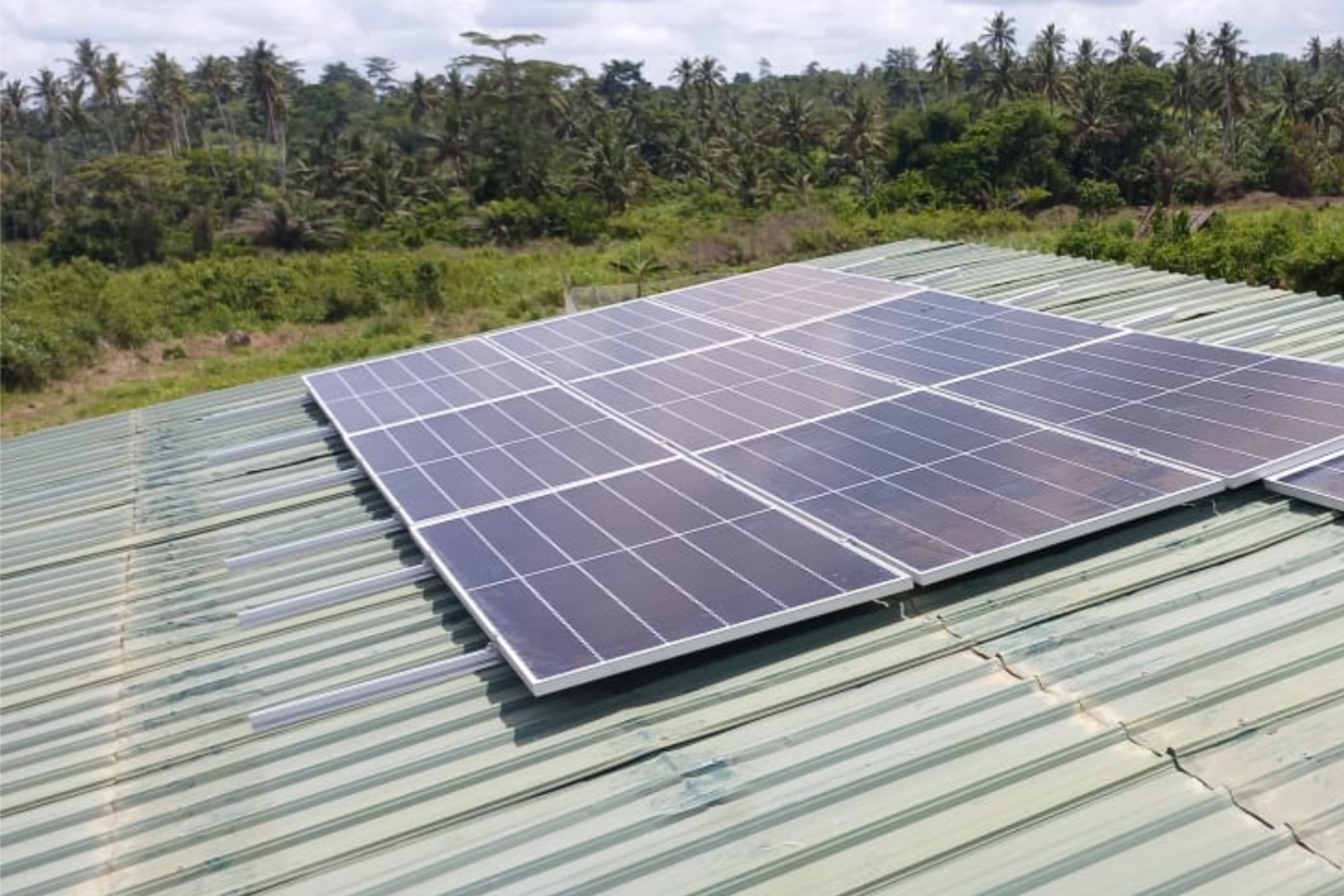
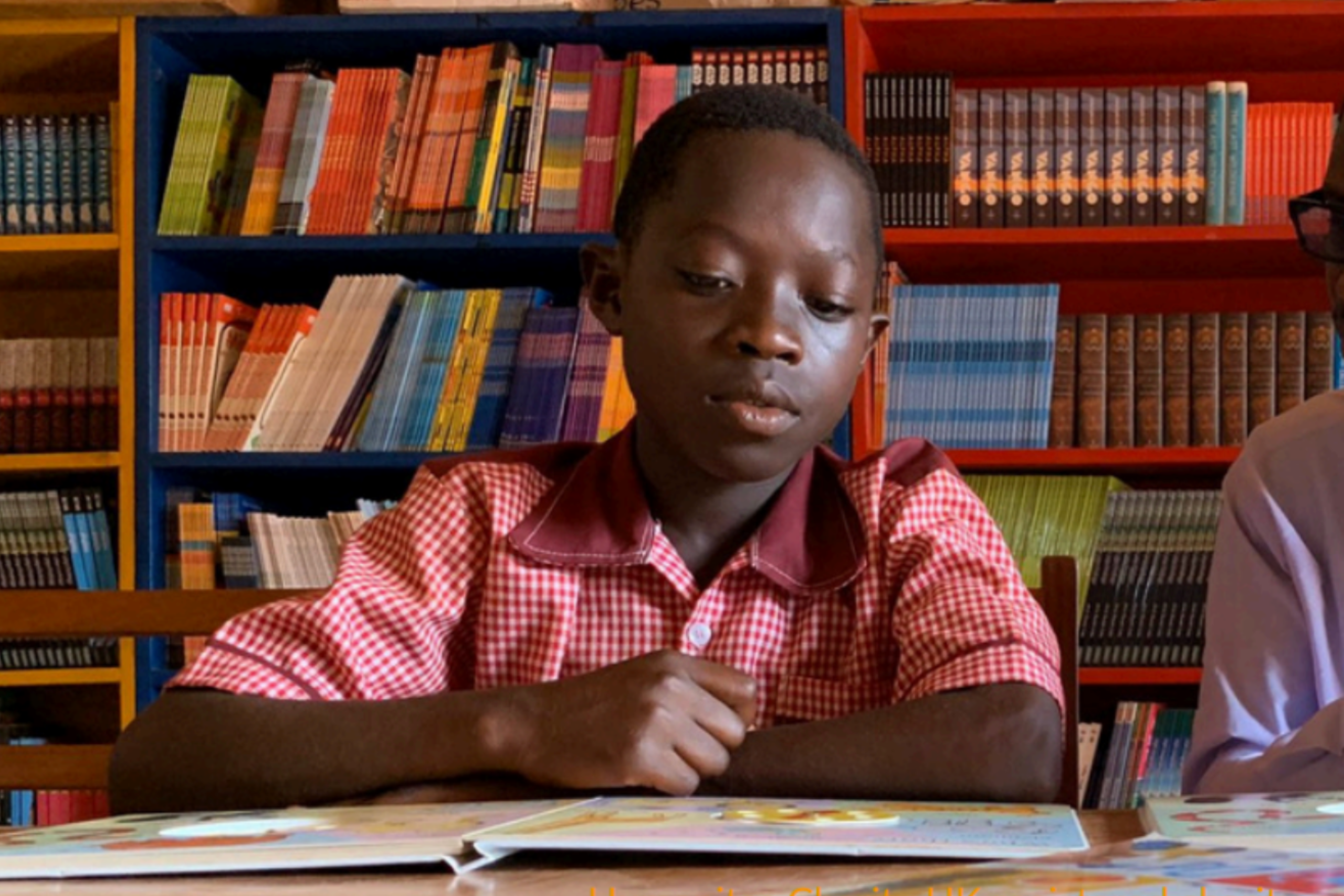
This year, NEF is installing a 5kWp rooftop solar system on Humanitas’s secondary school in Ayensuako, a rural village 400km from Accra, Ghana. This will bring first-rime access to renewable energy to over 550 students, 60% of whom are girls. 2,300 community members will also benefit by being able to use the computers in the school’s library and the sewing machines powered by the system.
The system has a 25-year lifetime and has been reviewed by our volunteers in WiseEnergy to ensure that the design was appropriate for the school’s energy needs.
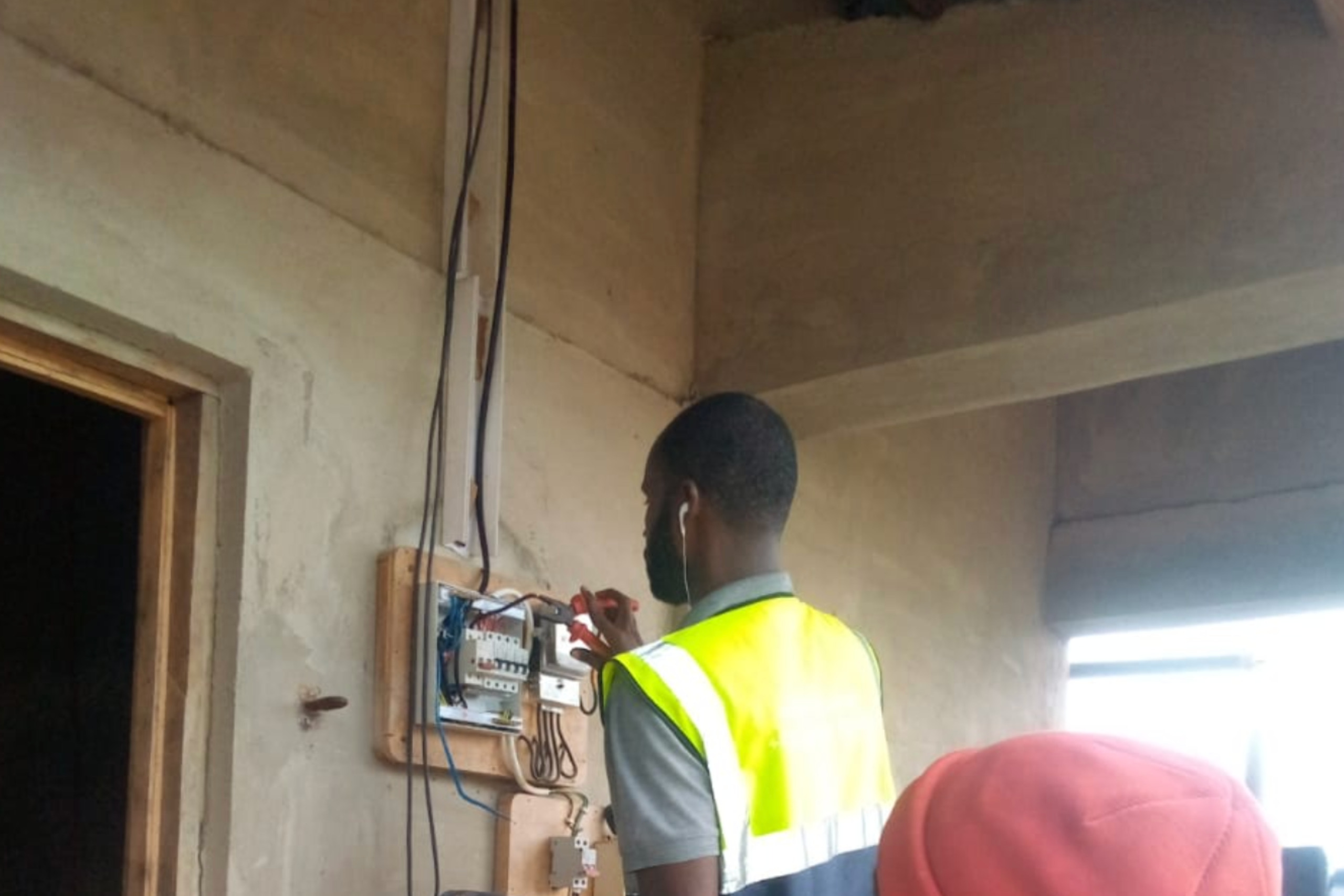
The installation is underway and the system will be operational by the end of May. Please see the photographs above for project progress.
June 2023 Update: The installation was completed in mid-May and the system powers sewing machines; a fridge and a freezer; lights; laptops; and, the internet router. Some information about the impact of the system thus far is below.
In the first six months of operation, the system has had the following impact:
The panels have provided a reliable electricity supply, powering the school’s computers, sewing machines, and kitchen equipment. This has allowed more students to use the IT room, with up to 20 pupils at a time.
Since the installation, no maintenance issues occurred, and the constant power supply has eliminated the threat of power cuts. This stability has also enabled an estimated saving of £550 on food bills by preventing spoilage, allowing us to reallocate resources to learning materials.
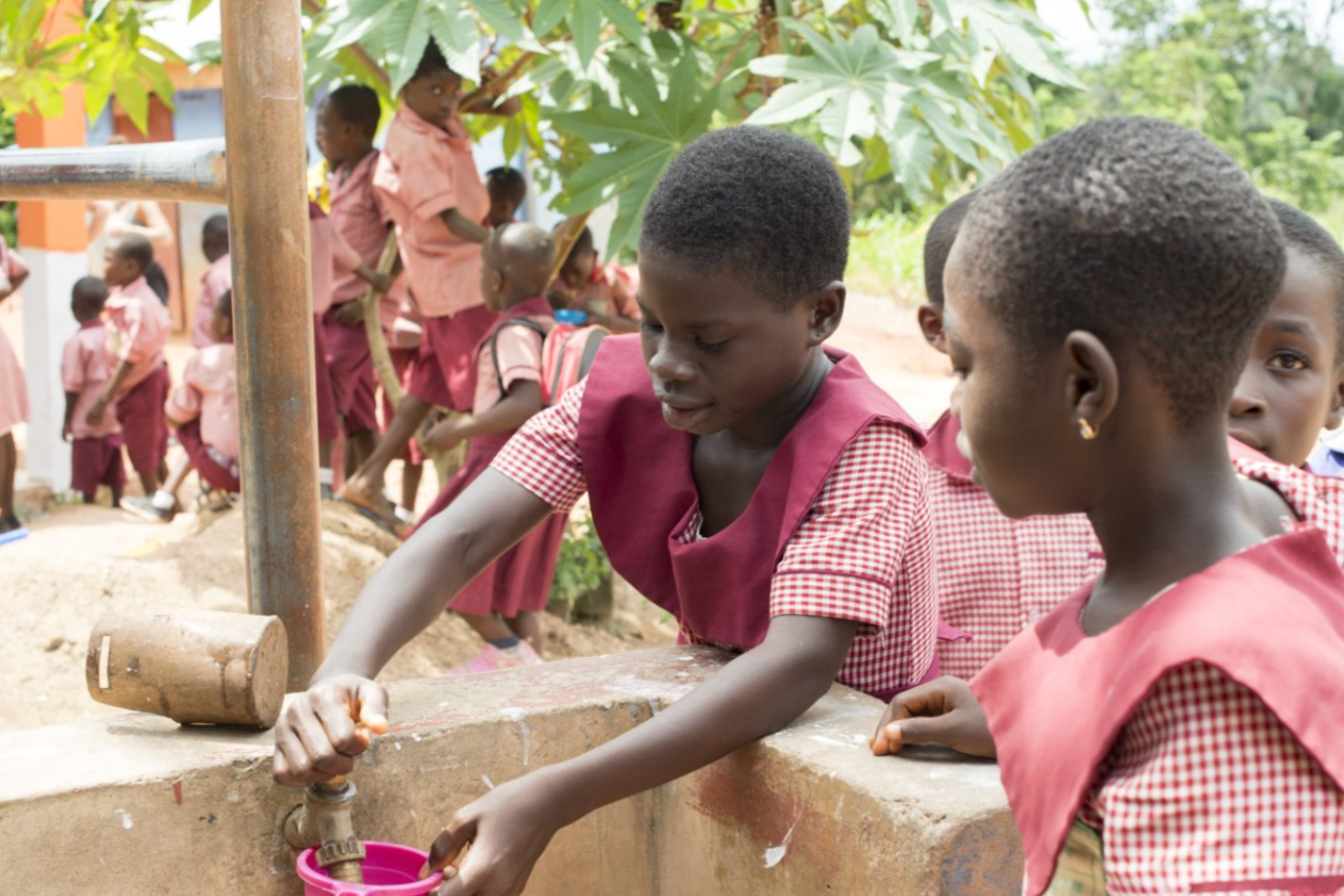
Teachers report improved learning speeds as lessons are no longer interrupted by power cuts. The solar-powered water pump ensures a constant water supply, enhancing hygiene and reducing malaria risks.
Overall, solar panels have significantly reduced stress for both pupils and staff, with economic, social, and health benefits extending to the wider community. Humanitas’ first cohort of graduates all passed their exams, a testament to the positive impact of this project.
The solar panel system installed at the secondary school in Ayensuako, rural Ghana, continues to operate reliably with no maintenance issues. This has transformed school life by providing uninterrupted electricity, enabling the use of sewing machines, computers, printers, and kitchen equipment. Food storage has improved, reducing waste, and the solar-powered water pump now ensures a permanent water supply, which has enhanced hygiene and meal preparation. Reliable water access is also helping to improve health and wellbeing in a malaria-prone region.
The sewing skills room remains a valuable resource for students and the local community, with several women starting small businesses thanks to the facility. Overall, the solar installation has brought lasting educational, economic, and health benefits to both the school and the wider community.