


Engera – Who they are and what they do
Engera is a charity committed to improving access to healthcare, education and basic services in Ethiopia’s most underserved communities. Through close collaboration with local institutions and long-term community partnerships, the organisation delivers practical projects designed to address the barriers that prevent people from accessing opportunities and essential services.
Working primarily in Ethiopia’s Gurage Zone, Engera supports initiatives that strengthen local infrastructure and improve quality of life for rural communities. Its programmes focus particularly on health and education, recognising that access to these services plays a critical role in reducing poverty and creating opportunities for future generations.
A key feature of Engera’s approach is its commitment to developing solutions that are sustainable, community-led and capable of delivering long-term impact. By working closely with schools, healthcare facilities and local authorities, the organisation helps ensure that projects respond directly to local needs and continue creating benefits long after implementation.
Through its work, Engera demonstrates how targeted investments in infrastructure can strengthen communities, improve public services and create new opportunities for young people and families living in rural Ethiopia.
What NEF does with Engera
NextEnergy Foundation first partnered with Engera in 2026 through a project that installed a 9.81 kWp solar photovoltaic system at Shebraber Health Centre in Ethiopia’s Gurage Zone. The project provided reliable renewable electricity for essential healthcare services, helping address long-standing challenges caused by power outages while improving the quality, safety and continuity of care for the more than 60,000 people served by the facility. Learn more about early 2026 project.
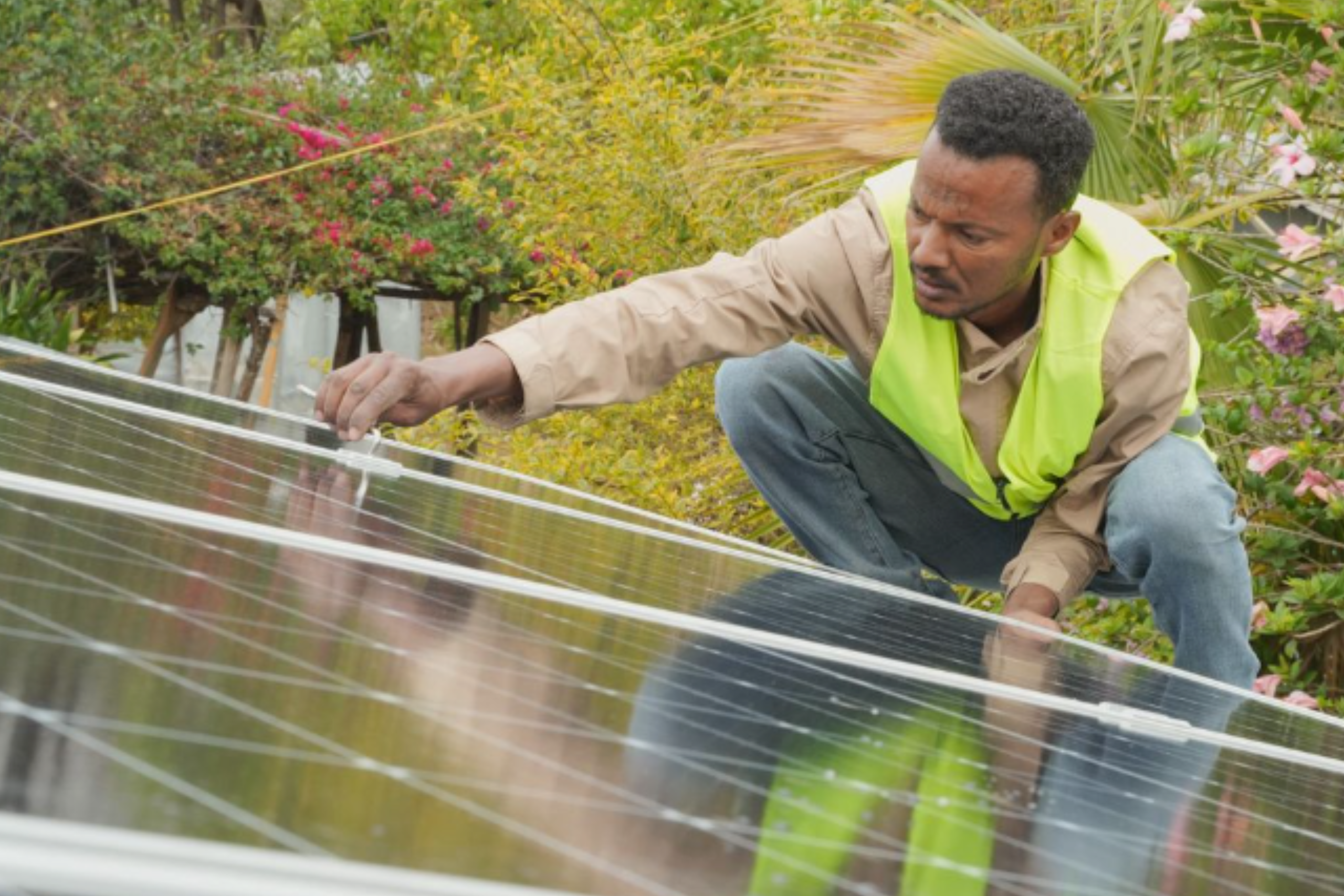
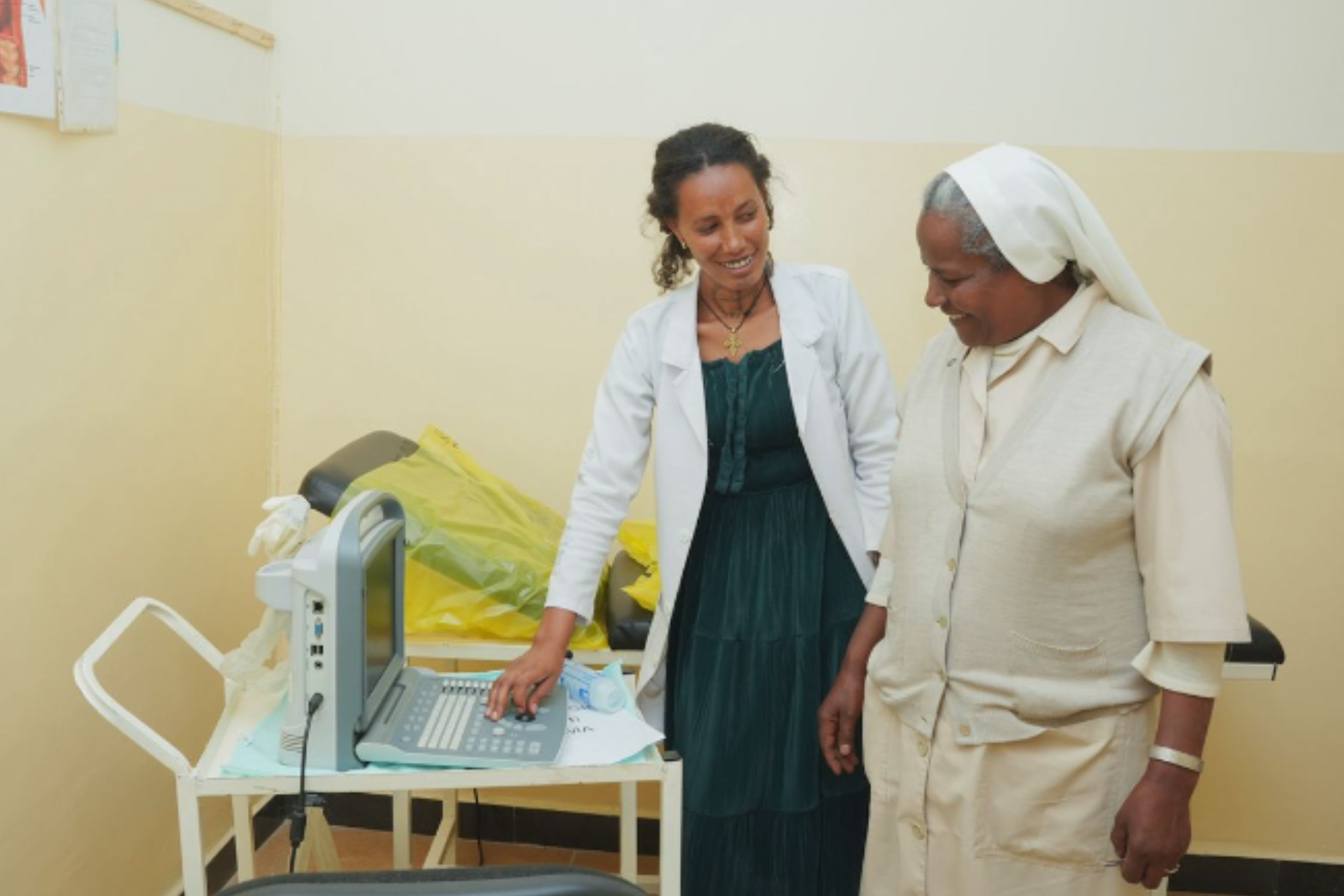
The installation helped power critical healthcare services, including maternity and diagnostic equipment, vaccine refrigeration and other essential medical operations. Alongside the solar installation, health centre staff and community members received training in the basic use and maintenance of the system, helping ensure long-term sustainability and local ownership.
Building on the success of this project, NEF and Engera are continuing their partnership through two new initiatives that address some of the remaining challenges faced by communities in the Gurage Zone and further strengthen access to healthcare and education.
Project 1 – Reliable Water for Shebraber Health Centre
Although the earlier solar installation significantly improved access to electricity at Shebraber Health Centre, the facility’s water supply continues to depend on a diesel-powered pumping system. Fuel shortages, high operating costs and reliability issues mean that access to water remains a significant constraint for healthcare delivery.
Through this project, NEF will support the replacement of the existing diesel-powered pump with a solar-powered water pumping system. Reliable access to water will improve sanitation, infection prevention and the overall quality of care, while reducing costs and strengthening the long-term sustainability of the health centre that is currently serving more than 60,000 people.
Project 2 – Expanding Digital Learning Opportunities
Alongside its continued support for healthcare services, NEF is funding the installation of solar systems at Zizencho Primary School and Welkite Primary School. Together, the schools serve nearly 1,200 students who currently face barriers to digital learning due to unreliable electricity supplies.
Reliable solar power will enable the schools to make better use of existing computer laboratories and digital learning resources, helping students develop the skills needed to participate in Ethiopia’s increasingly digital economy. The project also supports the objectives of the country’s Digital Ethiopia 2030 strategy by improving access to technology and strengthening educational infrastructure.
Building on a Successful Partnership
Together, these projects demonstrate how the partnership between NEF and Engera continues to evolve. What began with reliable electricity for healthcare is now expanding to include water access and digital education, addressing multiple barriers that affect health, learning and opportunity in rural Ethiopia.
Through its continued collaboration with Engera, NextEnergy Foundation is helping communities in the Gurage Zone access the services and opportunities they need to thrive. By investing in healthcare, water and education, the partnership demonstrates how renewable energy can create lasting impact across multiple aspects of community life.
Engera UK – Who they are and what they do
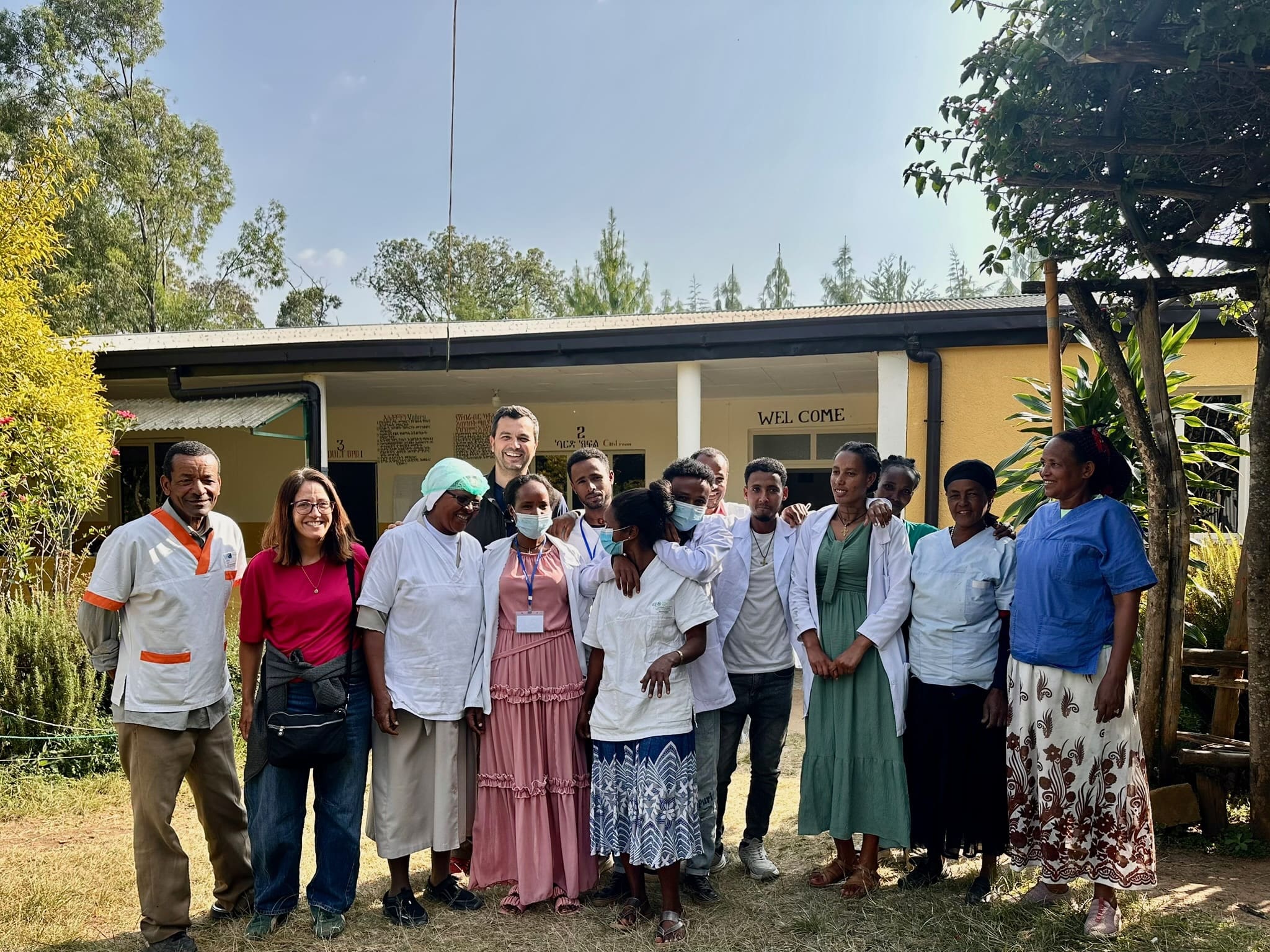
Engera UK is a registered charity founded in 2014, working to improve access to quality primary healthcare for women and children in rural Ethiopia, with a particular focus on the Gurage Zone. It operates in close collaboration with its sister organisations, Engera Italy and Engera USA, ensuring a coordinated and consistent approach across all projects.
Through its programmes, the organisation supports a network of health centres and a primary hospital, providing essential healthcare services to a large rural population. It works closely with local healthcare providers and regional health authorities to strengthen infrastructure, deliver medical training, and support day-to-day patient care.
Its approach focuses on building the capacity of local health systems so that services can function reliably and independently over time. Alongside clinical support, Engera UK promotes community engagement through health education and awareness activities, helping families recognise early signs of illness, adopt preventive practices, and access care promptly.
By combining infrastructure improvements, renewable energy solutions, training, and community engagement, Engera UK aims to improve health outcomes while ensuring the long-term sustainability of the services it supports.
What NEF does with Engera UK
In 2026, Next Energy Foundation is supporting Engera UK to install a 9.81 kWp solar power system at Shebraber Health Centre in Gurage. This investment will provide a reliable and sustainable source of electricity for essential healthcare services, addressing long‑standing challenges caused by frequent power outages.
The project aims to ensure continuous access to clean energy, improving the safety, quality, and continuity of care for the more than 60,000 people who rely on the facility each year.
Key components include:
As of March 2026, the installation of the 9.81 kWp solar power system at Shebraber Health Centre has been successfully completed, and the system is now fully operational. The centre is already benefiting from reliable, renewable electricity, allowing healthcare services to run safely and continuously, including during the night and periods of grid outage.
The availability of stable power is proving transformational for both patients and healthcare staff. Essential services such as maternity care, emergency treatment, diagnostics, lighting and vaccine refrigeration can now operate without interruption, significantly improving the safety, quality and dignity of care. Staff report improved working conditions, particularly during night‑time deliveries and emergencies, while patients benefit from more dependable access to services.
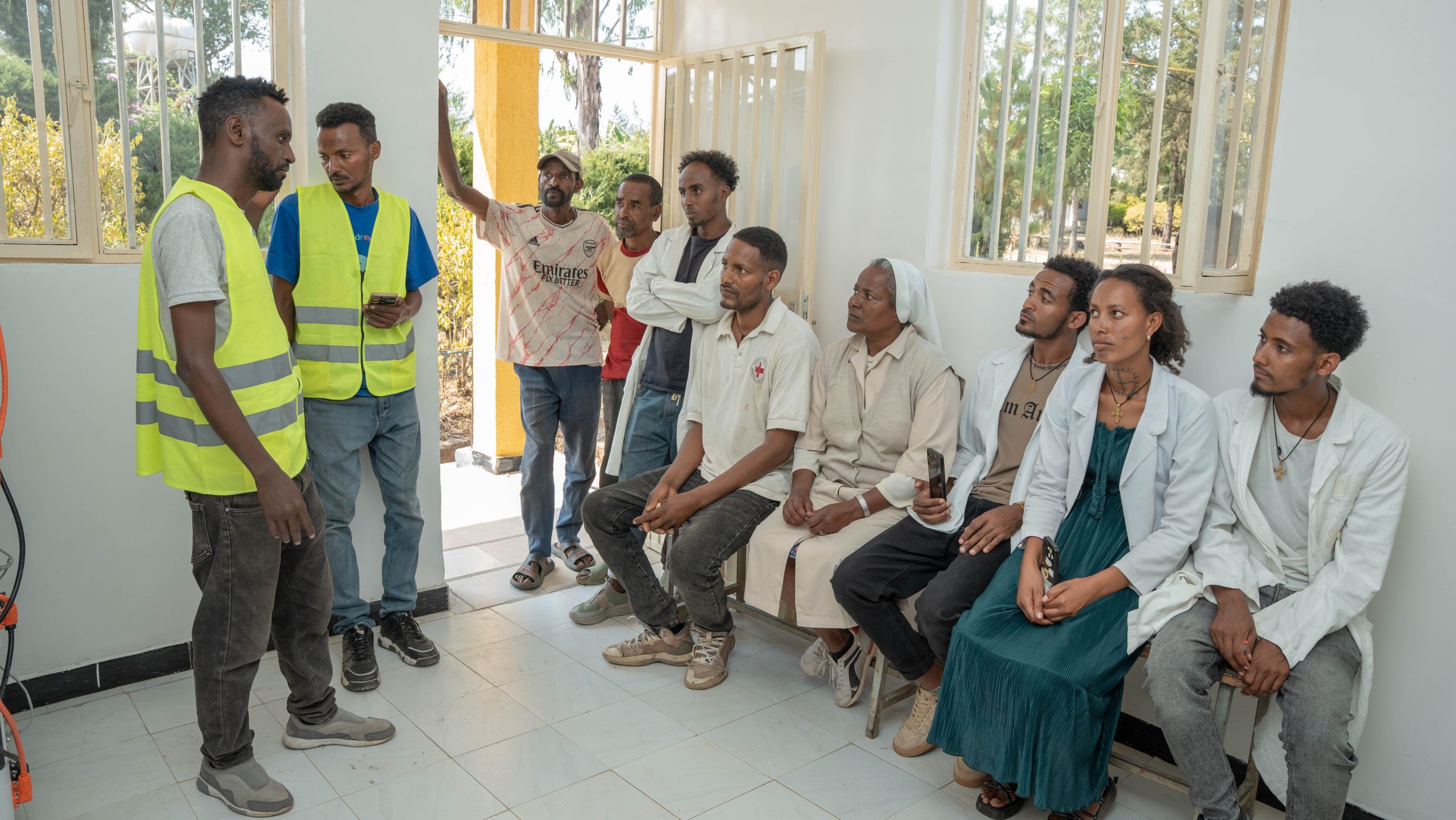
Alongside the installation, health‑centre staff and community representatives have received hands‑on training in system operation, monitoring and basic maintenance, strengthening local capacity and ensuring the long‑term sustainability of the intervention. By reducing dependence on diesel generators, the project is also lowering operating costs and emissions, freeing up resources for frontline healthcare.
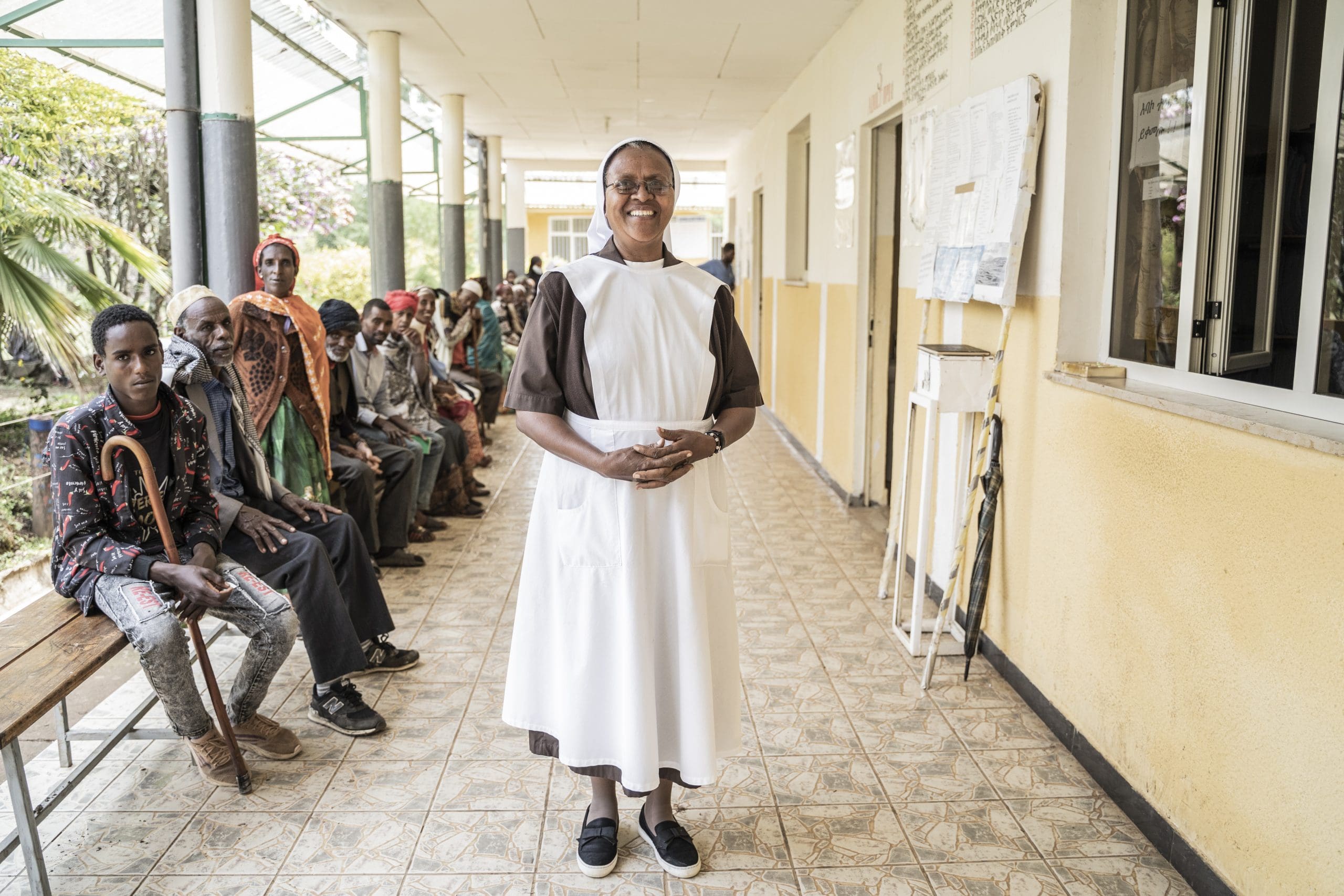
Serving nearly 19,000 patients each year, within a wider catchment of over 60,000 people, Shebraber Health Centre is a critical lifeline for remote rural communities. This completed intervention not only addresses long‑standing energy challenges, but also future‑proofs the facility, increasing its resilience at a time of worsening fuel shortages and infrastructure constraints
Six months after commissioning, the solar power system at Shebraber Health Centre is delivering measurable benefits across healthcare services, operations and environmental sustainability. The centre continues to operate without interruption thanks to reliable solar electricity and battery storage, ensuring continuous power for maternity services, emergency care, lighting, diagnostics and vaccine refrigeration. According to project partner Engera UK, the facility has not needed to use its diesel generator since the installation was completed, avoiding an estimated 6,582.7 kg of CO₂ emissions and 103.1 kg of NOx/SO₂ emissions over the reporting period.
The availability of dependable electricity is already contributing to improved healthcare outcomes. Compared with the same period in the previous year, the health centre recorded a significant increase in patient attendance, with returning patients rising from 345 to 1,412. Laboratory testing increased by 42%, referrals to external facilities fell by 24%, and the number of women completing eight or more antenatal care visits increased by 46%. Improvements were also reported across all vaccine programmes following the stabilisation of cold-chain storage.
Reliable power is also enabling the gradual introduction of digital health systems. Two laptops have been provided to support patient registration and administration, with further staff training planned to strengthen digital skills and reduce reliance on paper-based records. Looking ahead, Engera aims to progressively digitalise patient management processes at the health centre, improving follow-up care and record keeping for patients requiring ongoing treatment.
Healthcare workers continue to report the transformative impact of the project on daily operations, highlighting uninterrupted service delivery, improved working conditions and greater confidence in the centre’s ability to meet community healthcare needs.