
Aid Pioneers – Who They Are and What They Do
Aid Pioneers was founded by a group of young individuals who recognised an urgent, unmet need to rapidly mobilise resources in the aftermath of disasters. The organisation began by delivering critical medical supplies to Lebanon following the Beirut port explosion in 2020. It was then that the team identified a gap in the development chain—and an opportunity to leverage local organisations and knowledge to drive swift, lasting change.
Aid Pioneers is grounded in the belief that sustainable change is driven by those who live closest to the challenges. By empowering local leaders and equipping them with the tools they need, Aid Pioneers helps scale their impact in regions where access to medical care, education and reliable energy remains limited. Through its strategic network of private suppliers and partners, the organization dismantles structural barriers that often prevent access to global resources – making humanitarian efforts more effective, scalable, and responsive to local needs.
Aid Pioneers focuses on two core areas: delivering life-saving medical aid supplies and providing sustainable solar energy solutions to hospitals, clinics, and schools in crisis regions such as Ukraine, Syria, Ethiopia, Lebanon, and Uganda. In its Clean Energy Program, the organization installs high-quality solar systems to replace expensive and polluting diesel generators, enabling uninterrupted power for critical services. This not only strengthens healthcare and education systems but also reduces emissions and enables long-term cost savings that are reinvested into patient care and learning opportunities.
What NEF Does with AidPioneers
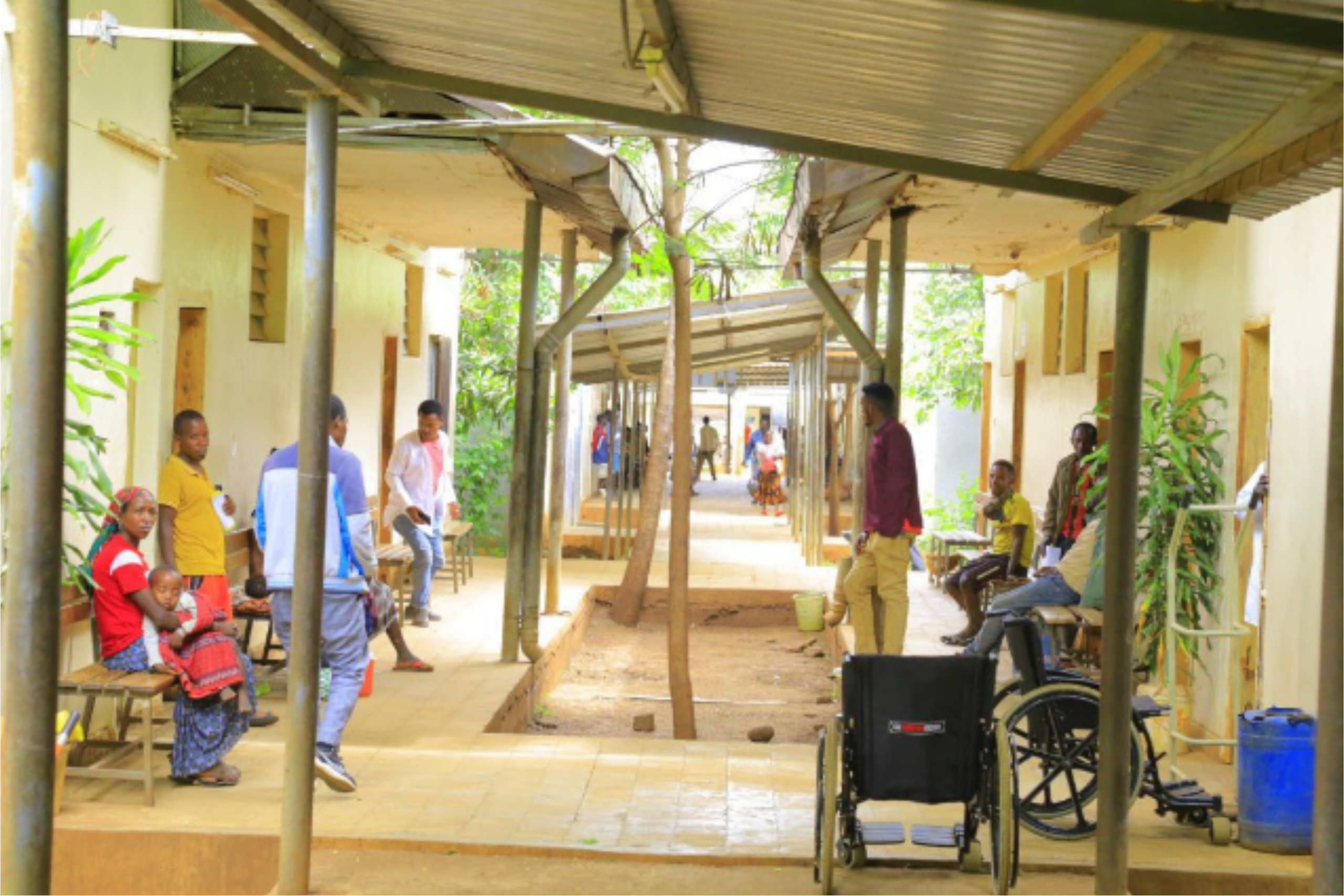
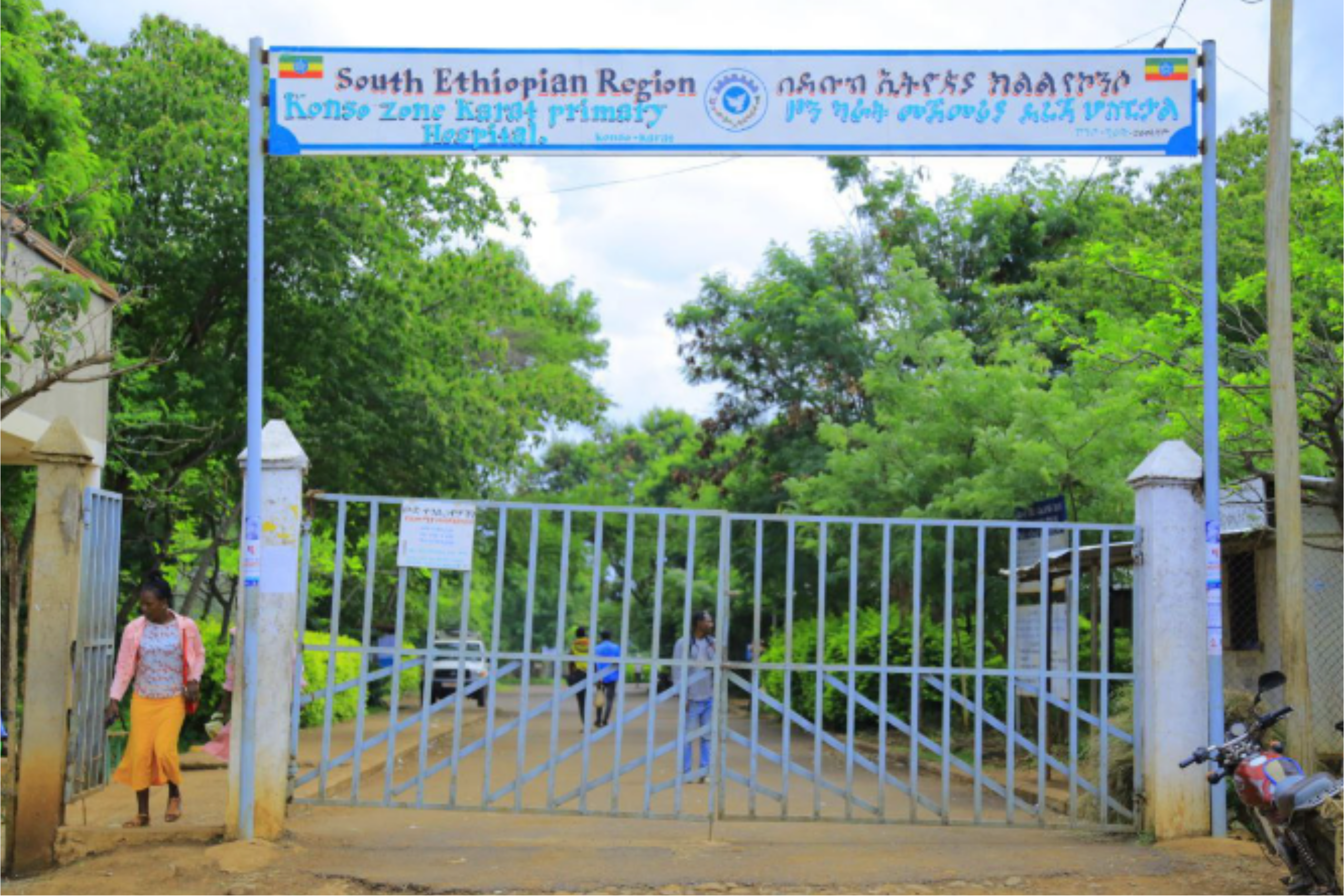
In 2025 NextEnergy foundation is supporting Aid Pioneers initiative “Solar energy for the Karat Hospital in Ethiopia”, a significant initiative aimed at improving healthcare access and promoting social welfare in the Karat region of southern Ethiopia. The selected hospital is designed to serve approximately 700,000 people within the hospital’s catchment area, including some of the most vulnerable populations: around 20,000 refugees and internally displaced persons affected by civil conflict, approximately 100,000 children under the age of five suffering from malnutrition, and about 30,000 elderly individuals facing disabilities and poverty.
At the heart of the project is the installation of a 132 kWp solar energy system at the Karat Hospital, which currently relies solely on an unreliable diesel generator. This upgrade will enable the hospital to perform an estimated 270,130 additional medical treatments over the next 20 years. The availability of consistent and safe electricity will significantly enhance the hospital’s capacity to deliver life-saving care, thereby expanding access to essential health services for the local community.
The initiative is being carried out in collaboration with two local organizations—ForAfrika Ethiopia and the Konso Development Association—both of which are deeply rooted in the region and actively engaged in health, education, and climate resilience. Their involvement ensures not only the sustainability of the project but also strengthens local ownership and capacity building, as these partners bring valuable experience and trust within the community. The EON foundation is supporting the project through funding alongside the NextEnergy Foundation.
Beyond healthcare, the project also contributes to climate justice. By replacing diesel fuel with solar power, it is expected to reduce carbon dioxide emissions by approximately 2,045 tonnes over two decades. This transition to clean energy not only fosters healthier living conditions but also raises awareness about sustainable, climate-neutral lifestyles in underserved areas.
Ultimately, the project is designed to be scalable and replicable. It incorporates a repayment-based financing model that reinvests cost savings into future solar initiatives, and it leverages partnerships with local networks that can extend the impact to other hospitals and schools. Through this holistic approach, the project not only addresses immediate social and environmental challenges but also lays the groundwork for long-term, systemic change.
The project has now been successfully completed, with the installation and commissioning of a 132 kWp solar photovoltaic system at Karat Primary Hospital. Fully operational since mid-August 2025, the system is already transforming service delivery at the hospital: alongside reliably powering essential equipment and daily operations, it has enabled the first surgeries to be performed using solar energy. The hospital serves a catchment area of approximately 700,000 people, including refugees and internally displaced persons, children affected by malnutrition, and other vulnerable groups across the region.
The new solar system comprises 288 solar modules, battery storage capacity of over 120 kWh, and two 50 kW inverters, providing a reliable source of electricity for critical hospital operations. The system is expected to generate approximately 181 MWh of clean electricity annually, covering more than 55% of the hospital’s total electricity needs while ensuring uninterrupted power for essential services.
The impact on healthcare delivery is substantial. Reliable electricity now supports the hospital’s emergency room, delivery room, operating theatre, intensive care unit, X-ray services, outpatient department, water pumping systems, and vaccine storage, helping to safeguard life-saving treatments that were previously at risk due to frequent power outages. The installation directly addresses a critical challenge that had severely affected patient care in recent years.
Beyond improving healthcare outcomes, the project delivers significant long-term economic benefits. By reducing dependence on diesel generators and grid instability, the hospital is expected to save approximately €729,000 over the system’s 20-year lifetime. These savings can be redirected towards medical services, creating sufficient capacity to provide treatment for an estimated 270,000 additional patients.
The project also contributes to climate resilience and environmental sustainability. Over its lifetime, the solar installation is expected to avoid approximately 963 tonnes of CO₂ emissions, reducing reliance on fossil fuels while demonstrating the potential of renewable energy solutions to strengthen critical public infrastructure in underserved communities.
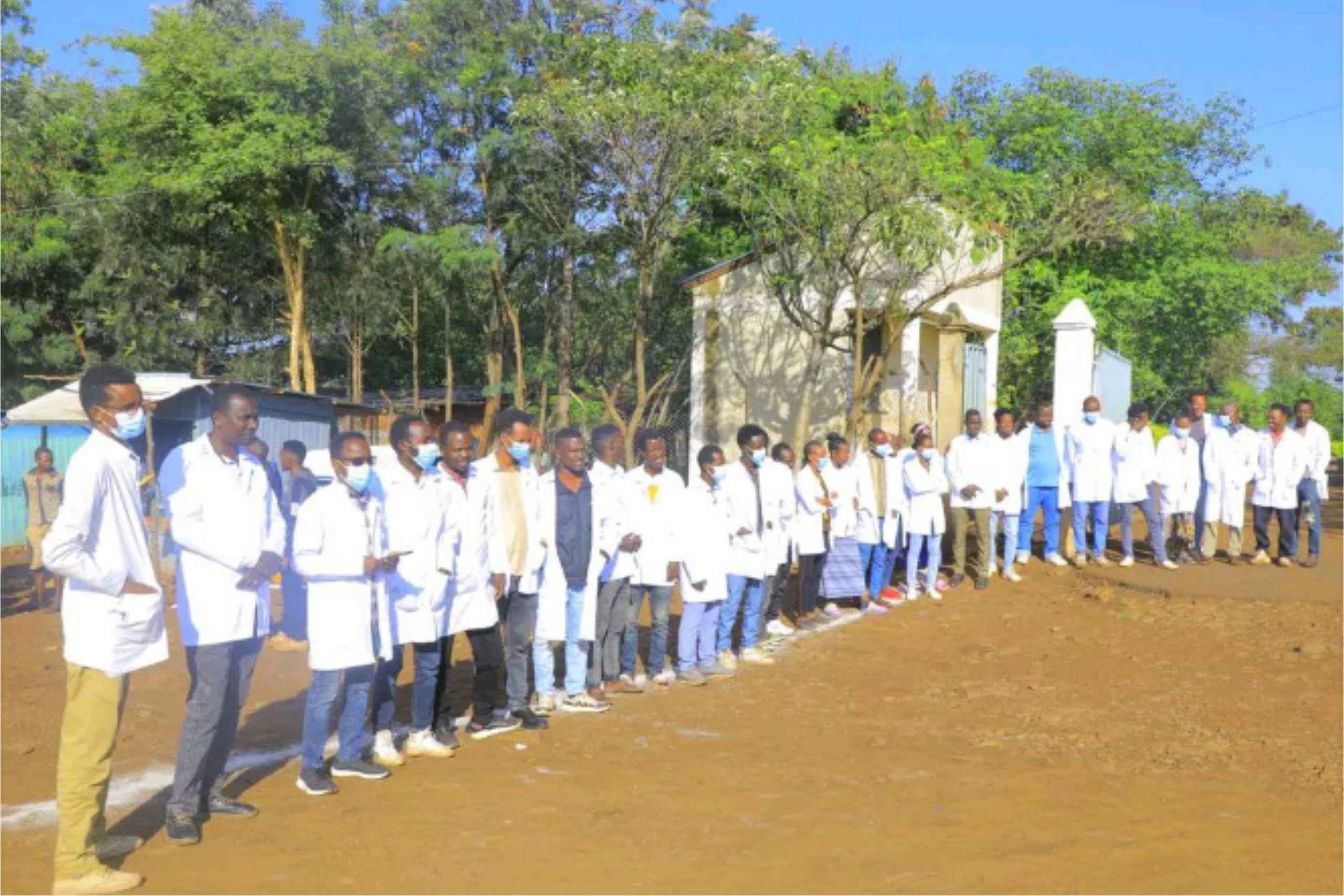
To ensure long-term sustainability, hospital technical staff were actively involved throughout the installation process and received training in system operation and basic troubleshooting. The system is further supported through remote monitoring, enabling performance tracking and rapid identification of any maintenance needs.
With the successful completion of the installation, the project demonstrates how renewable energy can improve healthcare delivery, strengthen local capacity, and generate lasting social and environmental impact for some of Ethiopia’s most vulnerable communities.