

Mwezi Foundation – Who they are and what they do
Mwezi Foundation is a UK-based charity dedicated to improving educational outcomes for children living in rural Kenya through access to clean energy and evidence-based interventions. The organisation was established around a simple but powerful idea: that reliable lighting can transform a child’s ability to learn, particularly in areas where access to electricity remains limited.
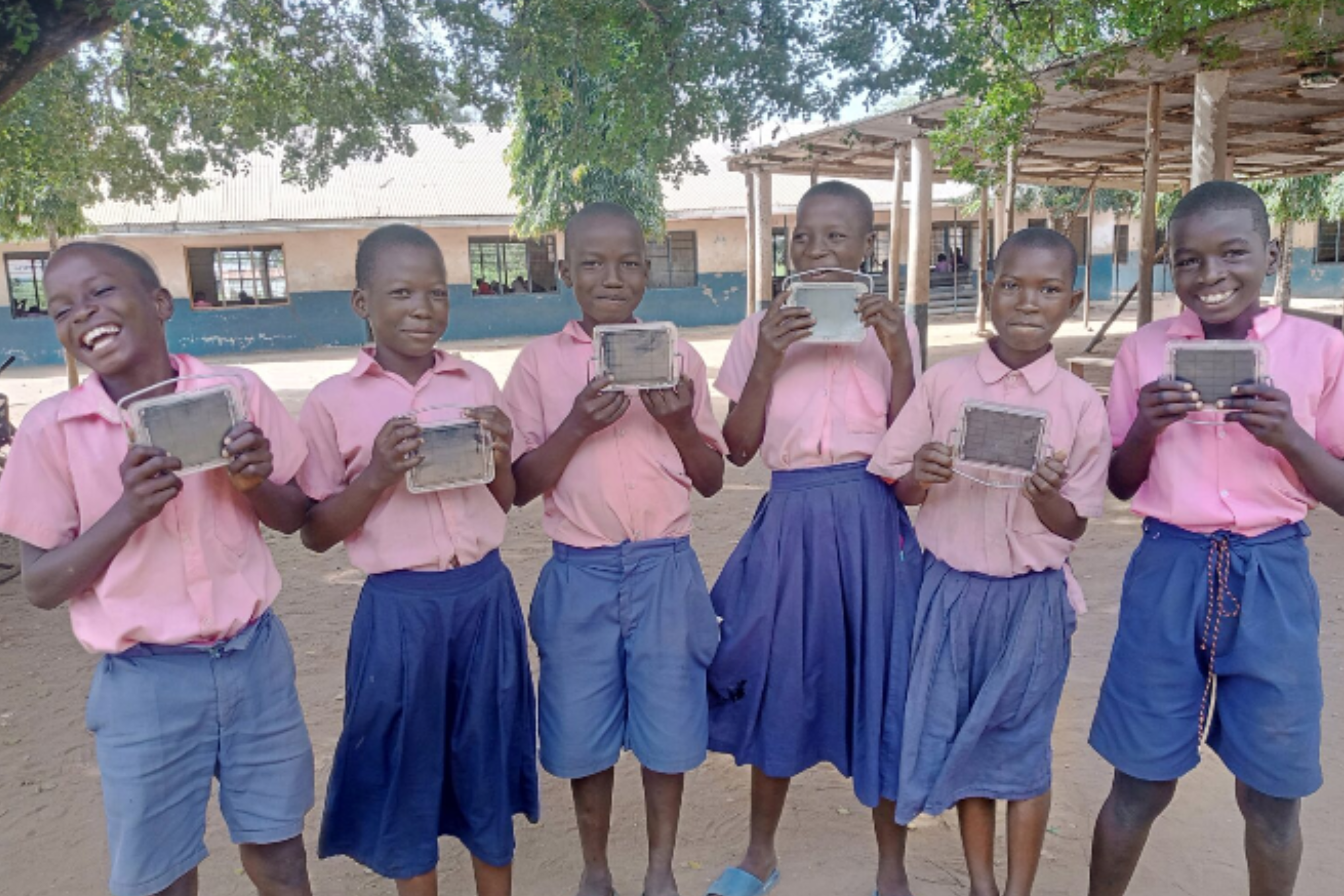
Working closely with schools, families and local communities, Mwezi Foundation provides solar study lights to students while also conducting rigorous research into how access to lighting affects educational attainment, attendance and long-term opportunities. The organisation combines practical support with a strong commitment to monitoring, evaluation and learning, generating valuable evidence on how clean energy can contribute to development outcomes.
Mwezi’s work focuses on some of Kenya’s most underserved rural communities, where many households still rely on kerosene lamps or have no access to reliable lighting after dark. In these circumstances, children often struggle to complete homework, revise for exams or continue learning beyond school hours. By providing affordable, sustainable alternatives, Mwezi helps remove one of the barriers that can prevent students from reaching their full potential.
Alongside its solar lighting initiatives, the organisation also works with schools to maintain and repair existing systems, helping ensure that the benefits of renewable energy are sustained over time. Through this combination of innovation, research and community engagement, Mwezi Foundation is contributing to a deeper understanding of how access to clean energy can support educational achievement and social development.
What NEF does with Mwezi Foundation
NextEnergy Foundation has been supporting Mwezi Foundation since 2023, helping ensure long-term access to clean and safe lighting for students living in rural communities across Kenya. Together, NEF and Mwezi have built a partnership focused on improving educational outcomes through renewable energy while promoting sustainability, circularity and community engagement.
Previous initiatives supported by NEF include:
The partnership is now entering the third year of the Pathfinder Project, building on lessons learned from previous phases and expanding support across eleven rural schools in Kenya’s Kwale and Kilifi districts. The new phase will continue Mwezi’s longitudinal research programme, which examines how different models of sharing solar study lights influence learning outcomes, study habits and educational performance over time.
For many students living in rural communities, evenings can present significant challenges to learning. Households often have limited or unreliable access to electricity, making it difficult for children to complete homework, prepare for examinations or continue studying outside school hours. These barriers can have a lasting impact on educational achievement and future opportunities.
By providing access to solar study lights, the Pathfinder Project enables students to create safer and more productive learning environments within their homes. The initiative also encourages greater community engagement with clean energy solutions and helps families reduce reliance on costly and polluting lighting alternatives.
Alongside the Pathfinder Project, NEF is continuing to support Mwezi’s Repairs Project, which focuses on maintaining and repairing existing solar systems within participating schools. This aspect of the partnership helps ensure that previous investments continue delivering value to students, teachers and communities, while strengthening the long-term sustainability of the programme.
What makes this partnership particularly valuable is its contribution to both immediate educational benefits and broader learning for the development sector. Through its research activities, the project is generating evidence about how access to renewable energy can influence educational attainment, helping inform future programmes and policies that seek to improve opportunities for children living in energy-poor communities.
Through its ongoing partnership with Mwezi Foundation, NextEnergy Foundation is helping thousands of young people gain access to the conditions they need to learn, thrive and achieve their ambitions. By combining clean energy, research and education, the partnership demonstrates how renewable energy can be a powerful catalyst for opportunity and long-term social impact.
Mwezi Foundation – Who They Are and What They Do
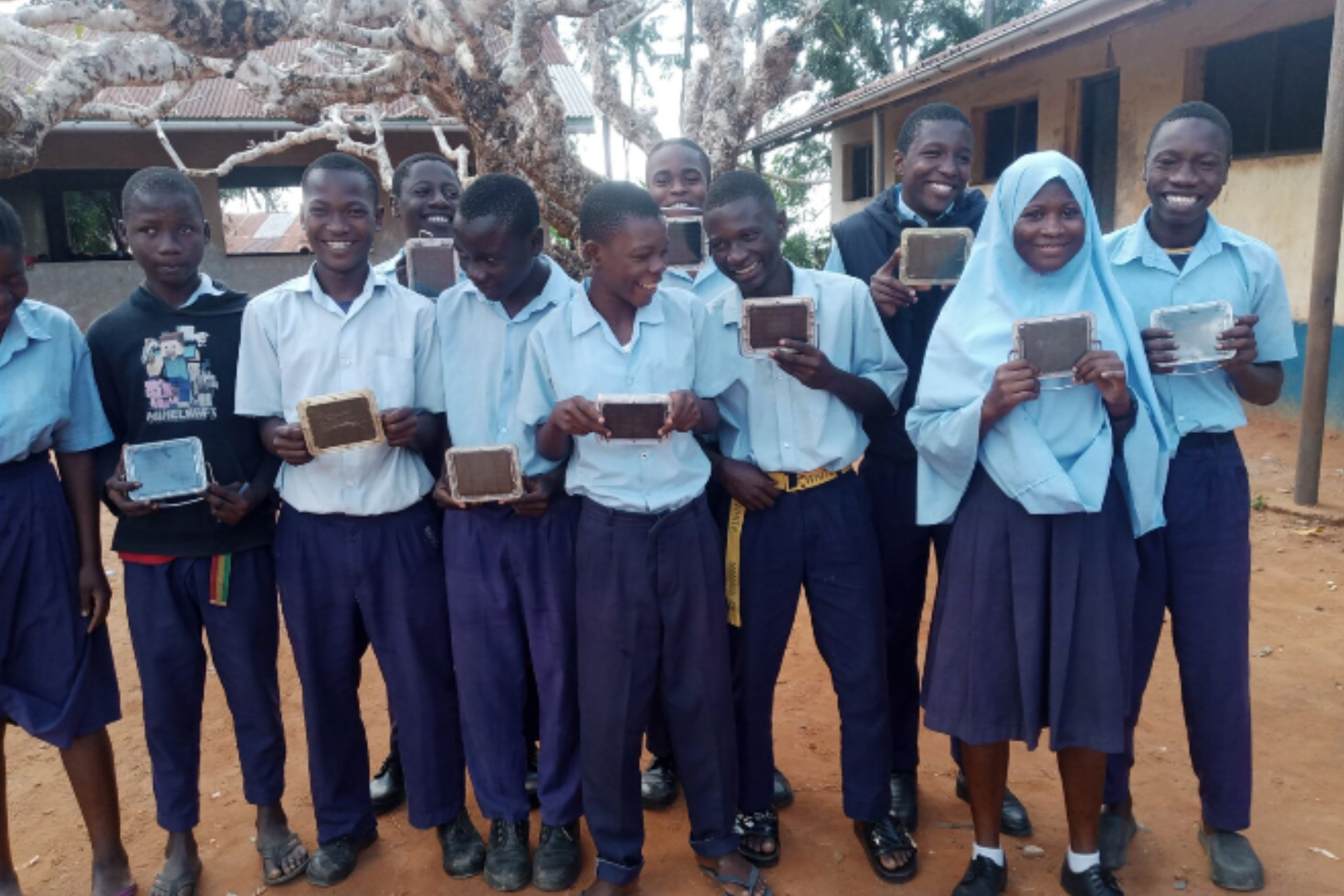
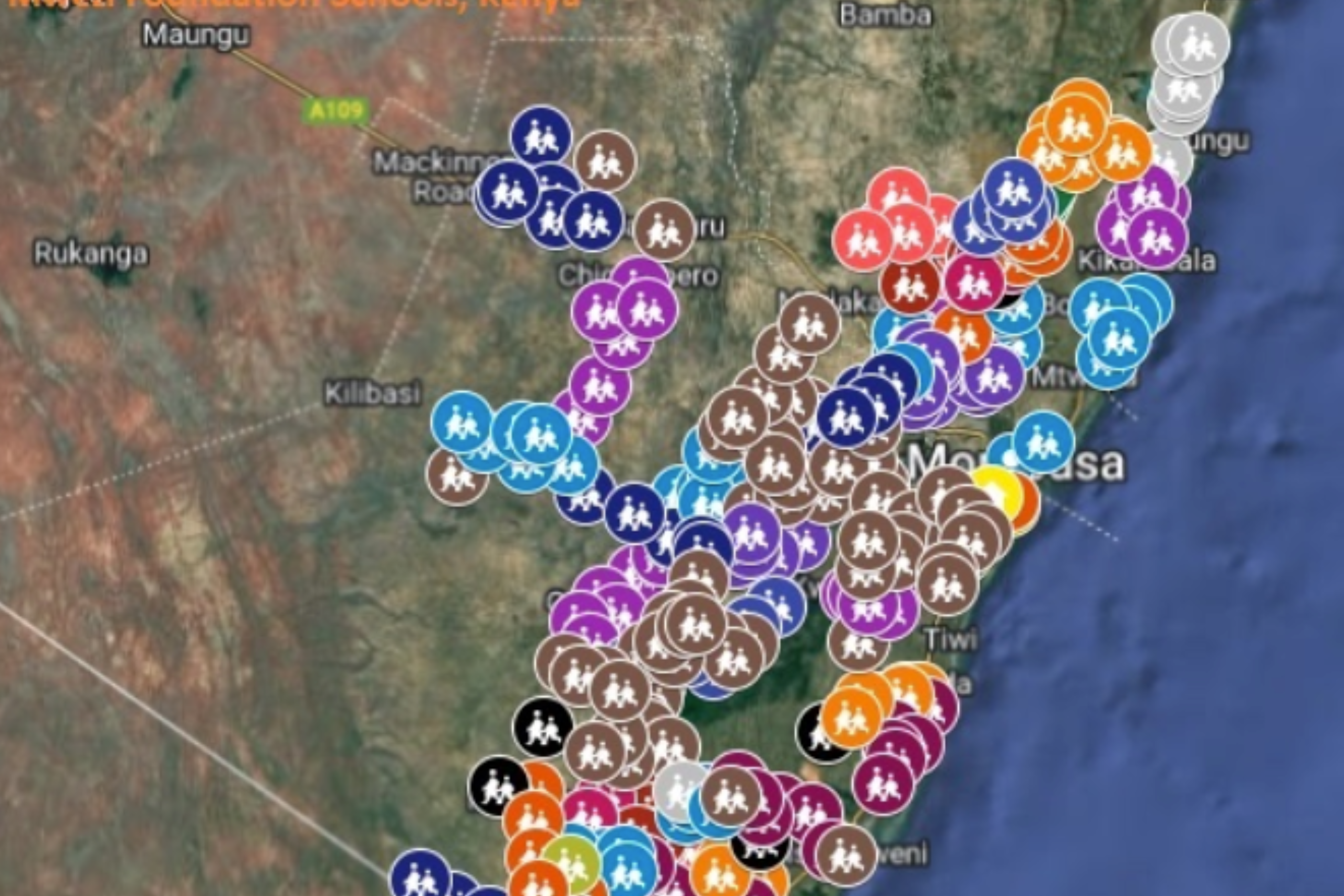
The Mwezi Foundation is a UK‑registered charity, founded in 2015, that provides portable solar lights to schoolchildren in rural Kenya to enable safe evening study and improve educational outcomes. The Foundation manufactures its own solar lights locally and distributes them to schools in remote areas of Kwale and Kilifi counties. Over time, Mwezi has supported 292 schools with over 9,500 lights, benefiting more than 20,000 students.
A core part of the Foundation’s mission is sustainability: lights are designed so that every component can be replaced, allowing them to be repaired, recirculated, and kept in use for years. Mwezi’s Kenyan team—two technicians and three school managers—regularly visits schools to collect faulty lights, replace them on the spot, and return the broken units to the Mombasa workshop for repair. This circular, low‑waste model ensures long‑term access to clean lighting for students who live without electricity.
What NEF Does with Mwezi Foundation
NextEnergy Foundation has been supporting the Mwezi Foundation since 2023, helping ensure long‑term access to clean, safe lighting for students in rural Kenya.
Past initiatives supported by NEF include:
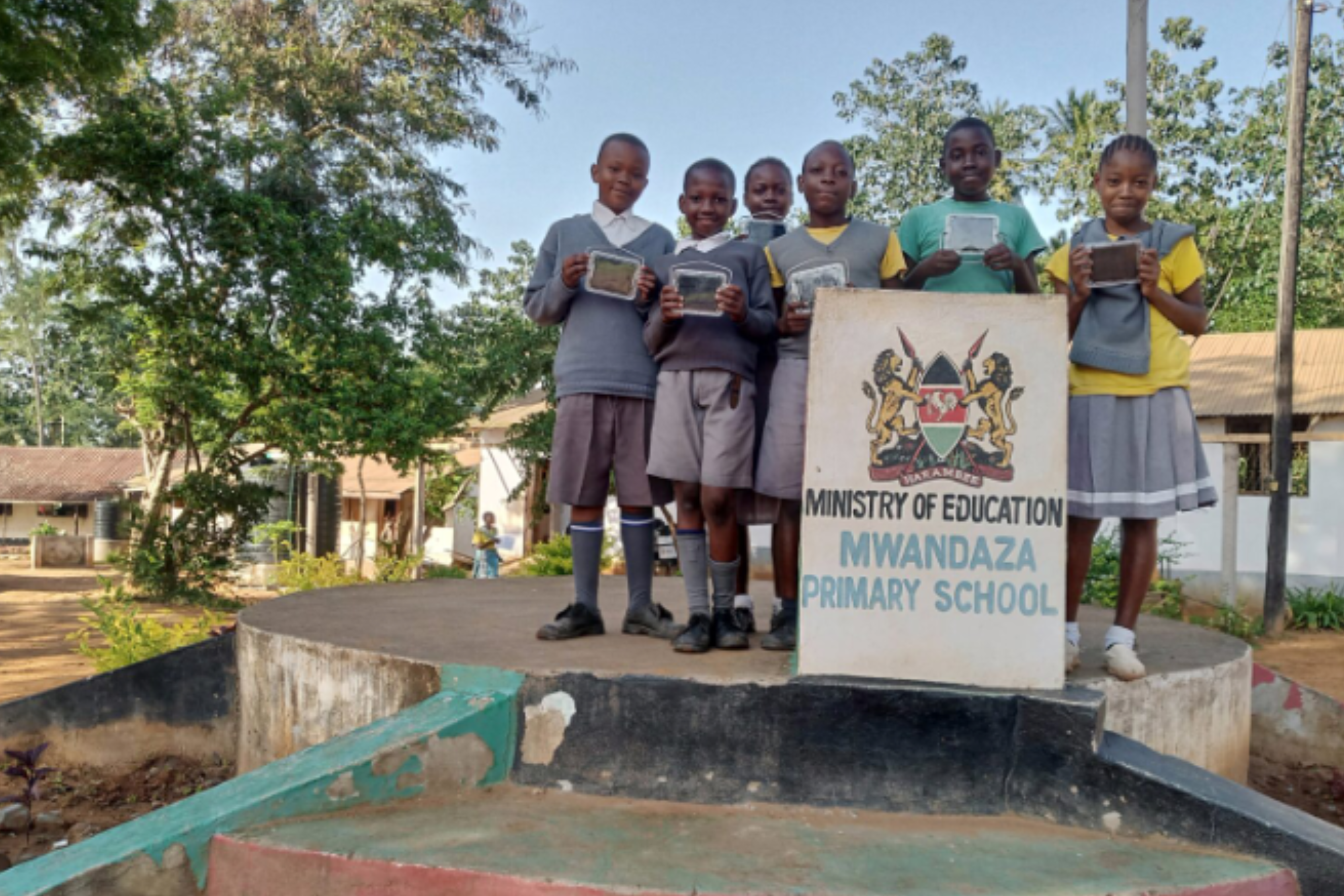
The Pathfinder Project continues to make strong progress across 11 schools in Kwale and Kilifi counties, where 1,280 solar lights are currently supporting 2,240 students in Grades 6 and 7. During Term 2, Board of Management meetings and teacher training sessions were delivered across all participating schools to deepen stakeholders’ understanding of the project and reinforce their role in supporting learners. Teachers received additional training on programme management, monitoring and academic performance tracking, while school leaders and Board members committed to promoting responsible use of the lights, engaging parents and helping ensure that students remain the primary beneficiaries of the programme.
Early academic results remain encouraging. Among the 2025 beneficiary cohort, the proportion of learners performing below expectations decreased from 26% to 8%, while those meeting or exceeding expectations increased from 22% to 42%. The 2026 cohort is also showing positive progress, with learners performing below expectations decreasing from 27% to 16% and those meeting or exceeding expectations increasing from 25% to 38%. Average scores improved across both cohorts, providing further evidence of the positive contribution that access to reliable lighting can make to learning outcomes.
The project has also strengthened collaboration between schools, teachers, parents and local communities. Each school has appointed a Mwezi Champion to act as a liaison between the Foundation, the school and the wider community, while improved monitoring and record-keeping systems have strengthened accountability and oversight. Teachers have reported greater confidence in managing the programme, and schools are taking a more active role in monitoring student progress and documenting impact.
This emphasis on community participation and capacity building reflects Mwezi Foundation’s long-term vision: creating a sustainable model that not only provides access to clean lighting, but also strengthens the support systems that enable students to make the most of additional study time and improve their learning outcomes.
The Mwezi Solar Lights Community Education Project (Year 2 of the Pathfinder Project) is progressing well across Kwale and Kilifi counties. Between December 2025 and February 2026, the project was implemented in 11 schools, with 640 solar lights distributed, bringing the total in these schools to 1,280 lights and benefiting 2,240 students in Grades 6 and 7.
During this initial phase, parents, teachers, and students were actively engaged through sensitisation meetings and training sessions. 636 parents participated in meetings focused on safe use of the lights and supporting learning at home, while 113 teachers from 67 schools received in-depth training on programme management, monitoring, and data collection. Baseline academic and socio-economic data were also collected to support impact tracking throughout the year.
The project remains on track, with upcoming activities focused on ongoing monitoring, follow-up school visits, performance tracking, and preparation for the next phase of implementation in 2027. Through its strong emphasis on sustainability, capacity building, and community engagement, the project continues to support improved learning outcomes and access to clean energy for students and their families.
NEF’s Renewed Support:
In 2026, NEF is supporting two complementary Mwezi projects, both of which deepen impact on learning conditions, family engagement, and sustainability:
NEF is funding the repair and re‑circulation of 3,000 solar lights across Kwale and Kilifi. Broken lights are collected during school visits, repaired at the Mombasa workshop, and immediately re‑donated to ensure uninterrupted access to evening study. The project supports a circular economy, reduces electronic waste, and extends the lifespan of Mwezi’s 8,759 lights in circulation, at a cost far lower than producing new lights.
NEF is also funding Year 2 of a four‑year longitudinal study involving 11 schools, expanding the scope beyond light distribution to include:
The project will track 1,280 solar lights (640 new + 640 redistributed) and assess how access to clean lighting improves academic performance for Grades 6 and 7. Feedback loops with parents, teachers, and community leaders aim to enhance study habits, school attendance, and exam preparation.
Mwezi Foundation – Who they are and what they do
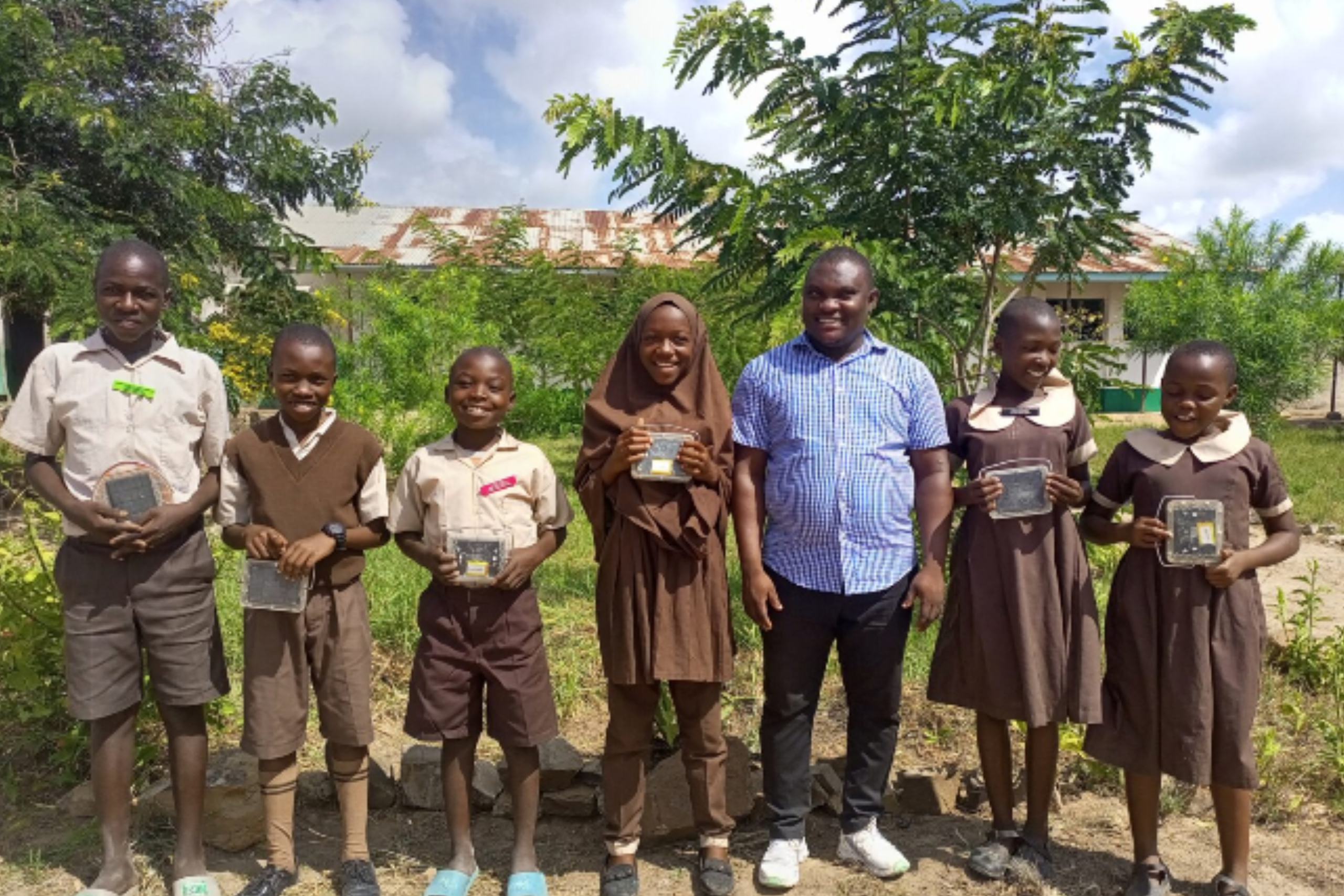
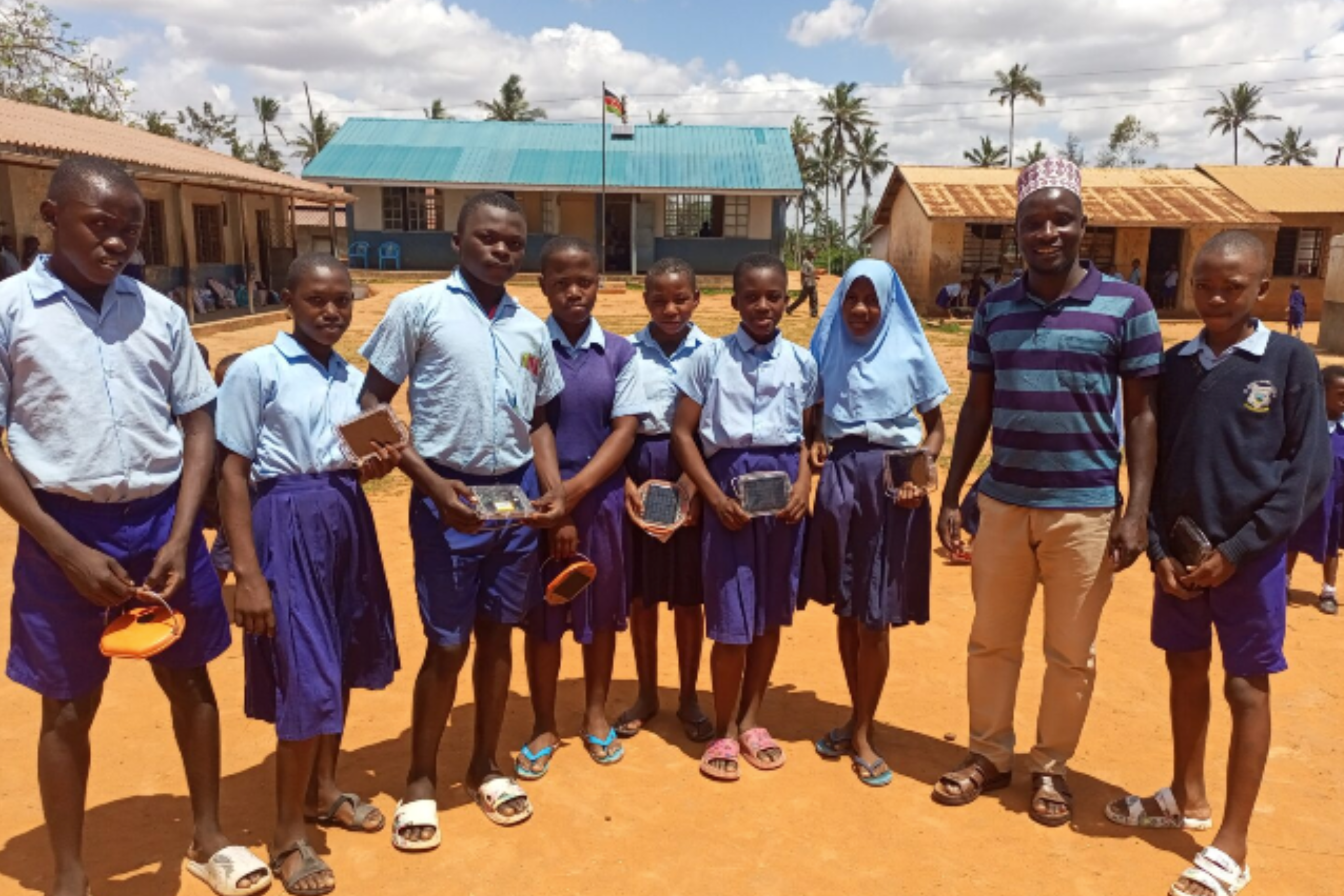
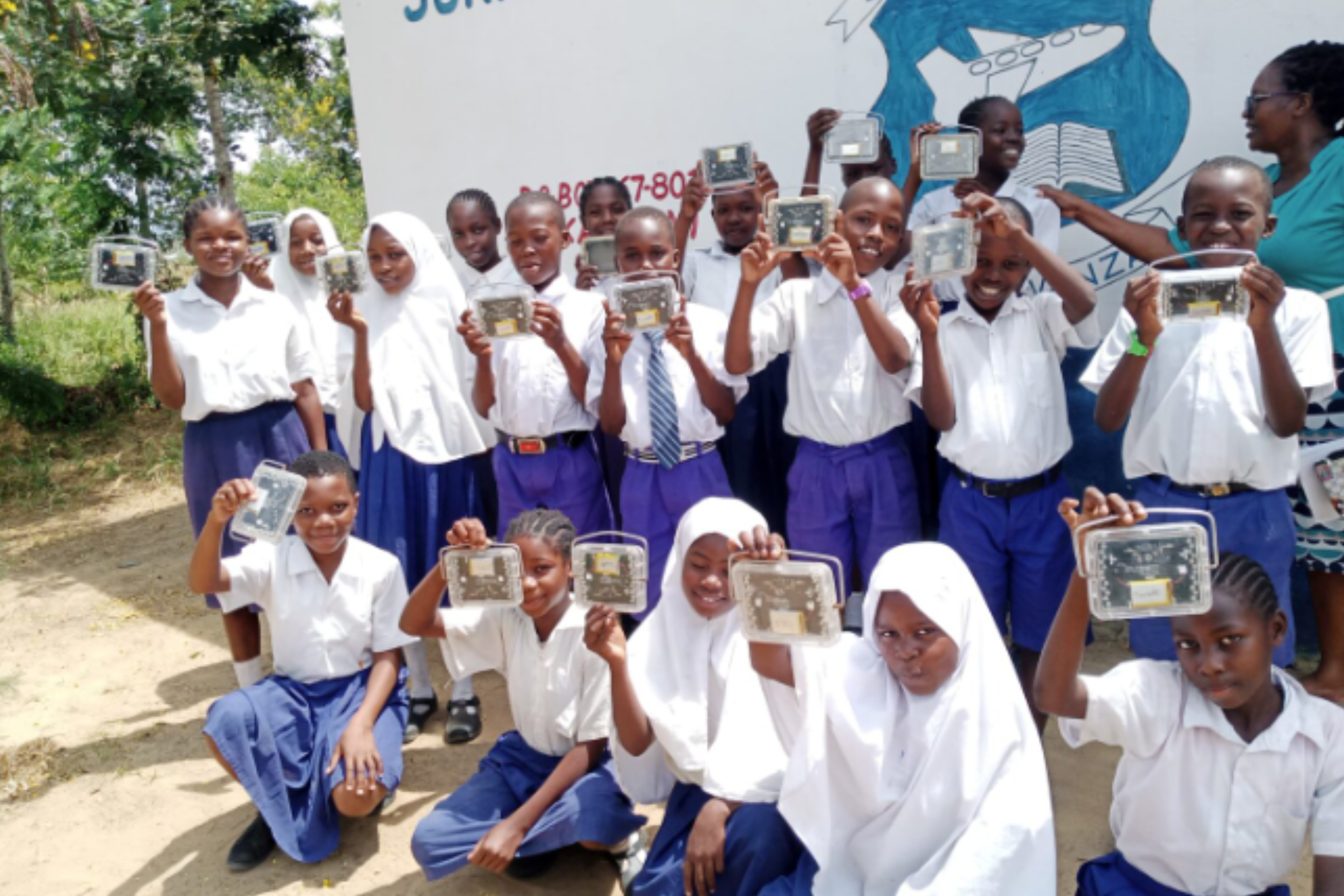
The Mwezi Foundation provides portable solar lights to schoolchildren in Kenya, enabling them to do their homework at night and helping them achieve their academic potential.
The Mwezi Foundation is a small UK-registered charity, founded in 2015, which manufactures and delivers Mwezi solar lights to remote schools in southeast Kenya. They currently support over 240 schools with more than 7,400 lights, benefiting over 20,000 students over the years and giving them the opportunity to reach their academic potential.
The Mwezi Foundation’s priority is to ensure that as many lights as possible remain in circulation by regularly visiting schools to collect and replace faulty lights. These lights are then repaired in their workshop in Mombasa and re-donated to other schools. They build long-term relationships with schools that are part of the Mwezi solar light project, collecting assessment data and visiting regularly to check on the lights and donate additional lights if required.
The UK directors of the Mwezi Foundation all work pro bono, ensuring that all their funding is directed into Kenya. They have two technicians and three school managers, all Kenyan, who work directly with teachers to ensure that the solar light project is delivered as appropriately and effectively as possible.
What NEF does with Mwezi Foundation
NEF has supported Mwezi Foundation activities since 2023 through sponsorship of these projects:
NextEnergy Foundation is continuing to fund the replacement, repair, and re-donation of faulty Mwezi solar lights, with funding provided for a projected total of 3,000 lights in 2025. The aim is to keep as many lights in circulation as possible, at minimal cost. Mwezi solar lights have been designed so that every single part can be replaced. With NextEnergy Foundation funding, the school managers can visit schools, collect faulty lights, replace them on the spot with repaired lights, and take them back to the workshop in Mombasa to have any faulty parts replaced, ready to be re-donated.
The project’s goal is to ensure an ongoing supply of solar lights and to encourage good care of the lights. Students know that if their light no longer works, instead of discarding it, they should hold onto it to get it replaced the next time a school manager visits.
The ongoing provision of solar lights:
The main expected positive impacts of the project are:
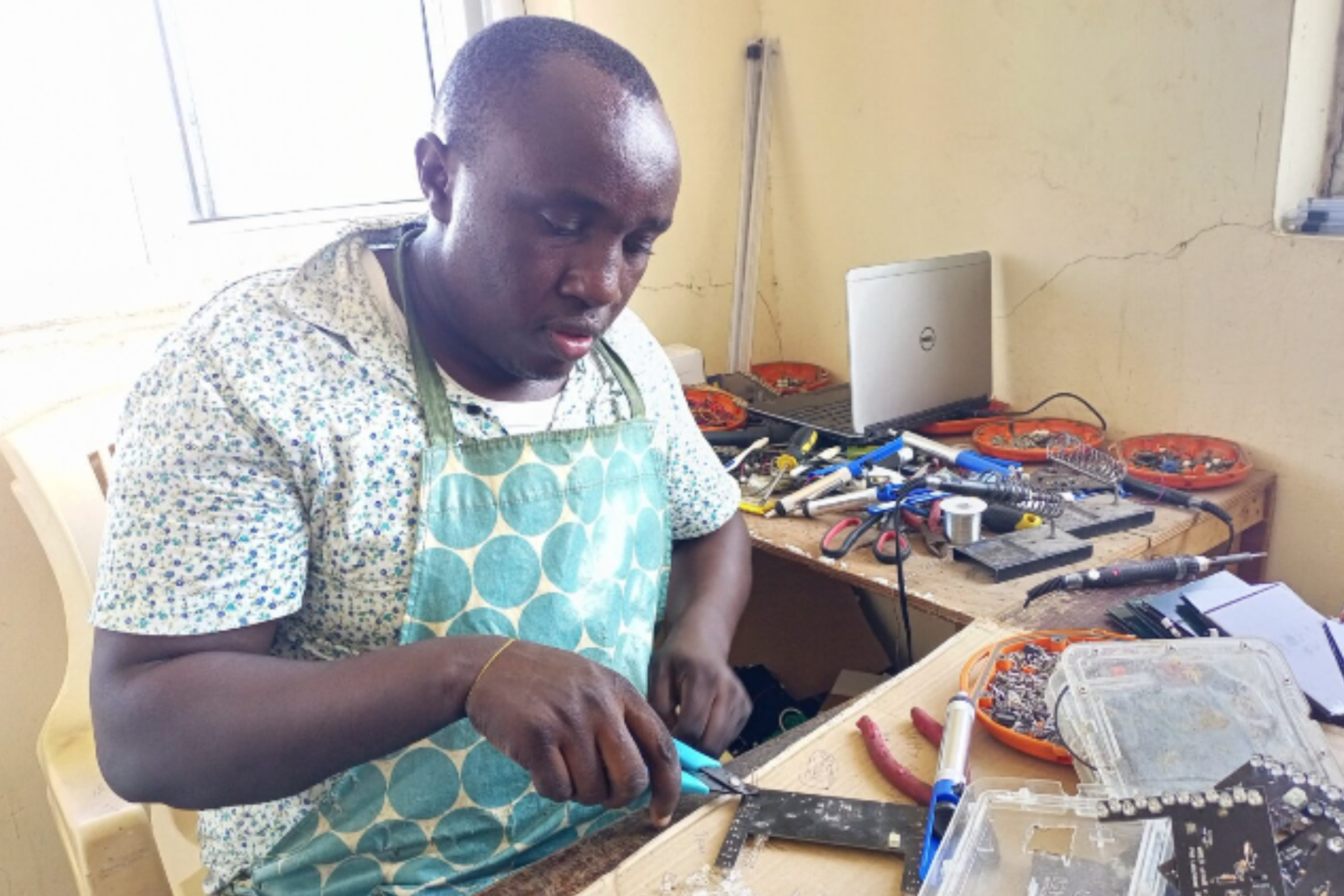
Sustainability is at the heart of this project and of Mwezi’s mission. The portable solar lights have been designed so that all components can be taken apart and replaced. This ensures that there is no plastic waste and that the life-span of the lights is extended. The solar lights are assembled and repaired by Mwezi’s Technical Manager in their workshop in Likoni, Kenya. This provides local employment and reduces the air miles that would be required if the lights were to be transported to another country for repair.
The project has made strong progress towards its annual goal. A total of 1,167 solar lights have been repaired across 156 schools, with an average of seven lights per school and the highest number of replacements at a single school reaching 37. These repairs are helping restore access to clean lighting for students in households without electricity, enabling evening study and improving well-being.
Implementation involved coordinated fieldwork and technical repair activities. Field teams worked closely with teachers to identify non-functioning lights, conducted school visits to collect and replace them, and gathered usage data and impact stories. Repairs were carried out at the Likoni workshop by Mwezi technicians, supported by timely component supply from the UK-based directors. Weekly and monthly tracking ensured smooth operations.
The project remains on track to meet its target of 3,000 repaired lights by March 2026. The impact continues to be significant: enabling evening study time, reducing reliance on kerosene, and improving student well-being and academic performance. Ongoing tracking of selected students is also helping to assess long-term educational and personal development outcomes.
By February 2026, NextEnergy Foundation’s partnership with the Mwezi Foundation continues to deliver measurable and lasting impact for schoolchildren in southeast Kenya. During 2025, the Mwezi Solar Project supported 269 schools, including 38 newly recruited schools, with 8,759 solar lights in circulation.
With NEF support, 2,873 new solar lights were distributed and 2,624 faulty lights replaced, ensuring that students continue to have access to safe and reliable lighting for evening study. The project reached 13,139 learners, with an estimated 65,695 additional family members benefiting at household level.
Sustainability and long-term engagement remain central to the project’s delivery. School Managers carried out 562 school visits, working closely with more than 500 teachers to monitor usage and manage replacements. At the Likoni workshop, Mwezi technicians produced 1,960 new lights and repaired 2,593 units, reinforcing a circular approach that maximises the lifespan of each light and minimises waste.
Access to solar lighting enabled approximately 25,500 additional study hours, supported consistently high school attendance rates (over 95%) and strong progression to junior school (above 98%). Beyond education, the project reduced reliance on kerosene, improving household health and safety, lowering emissions, and reducing monthly energy costs for families. The project also continues to support local employment and skills development in Kenya.
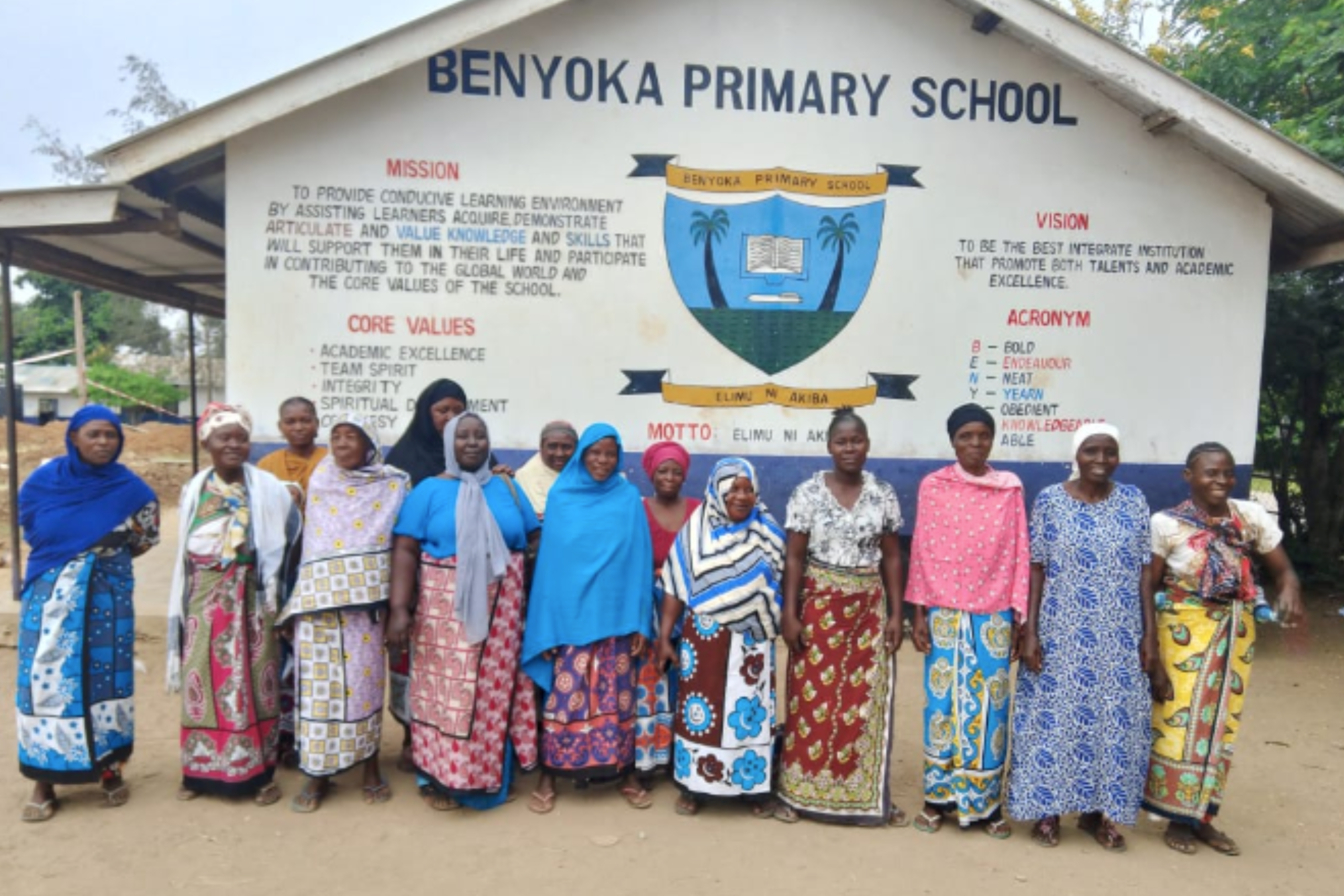
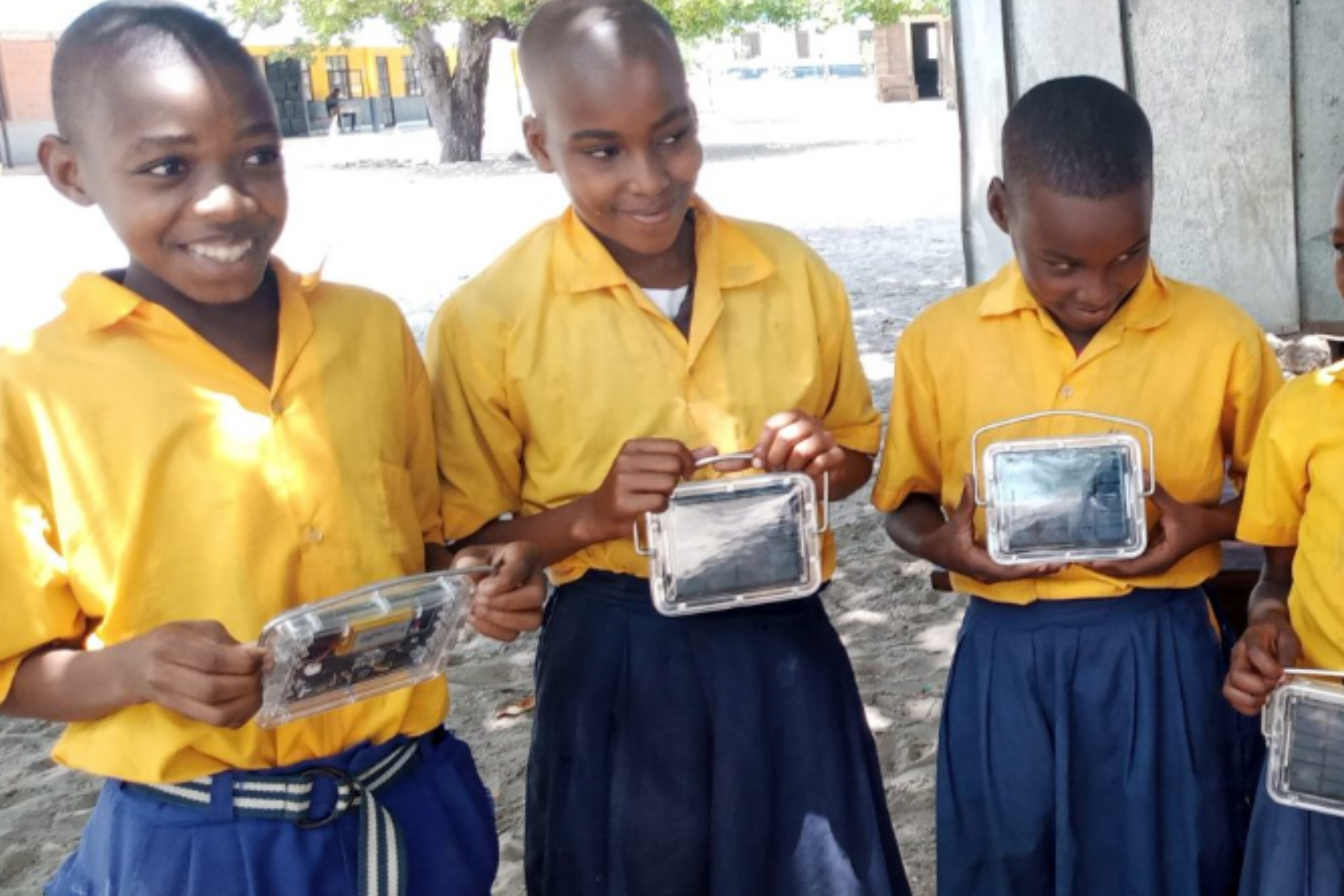
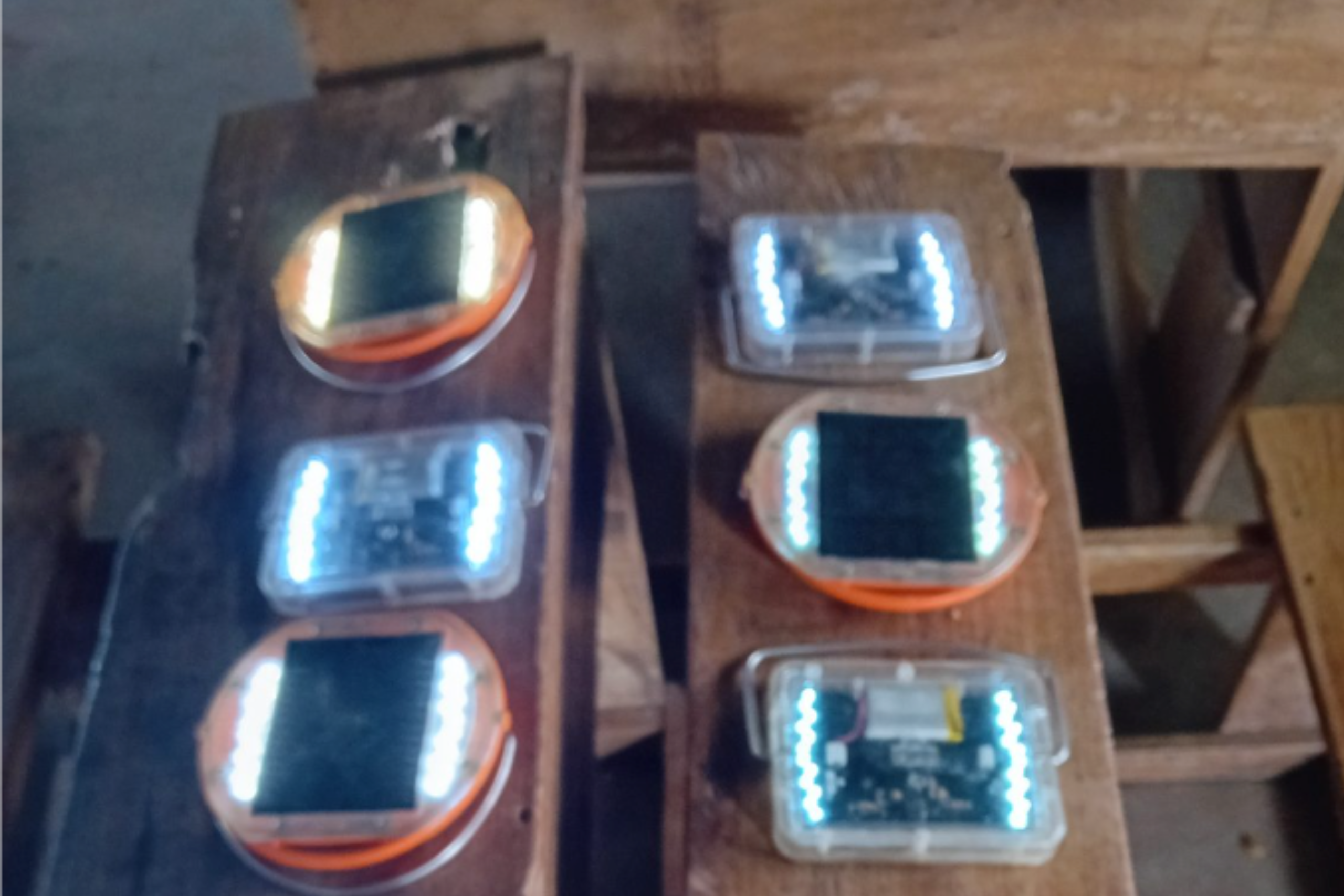
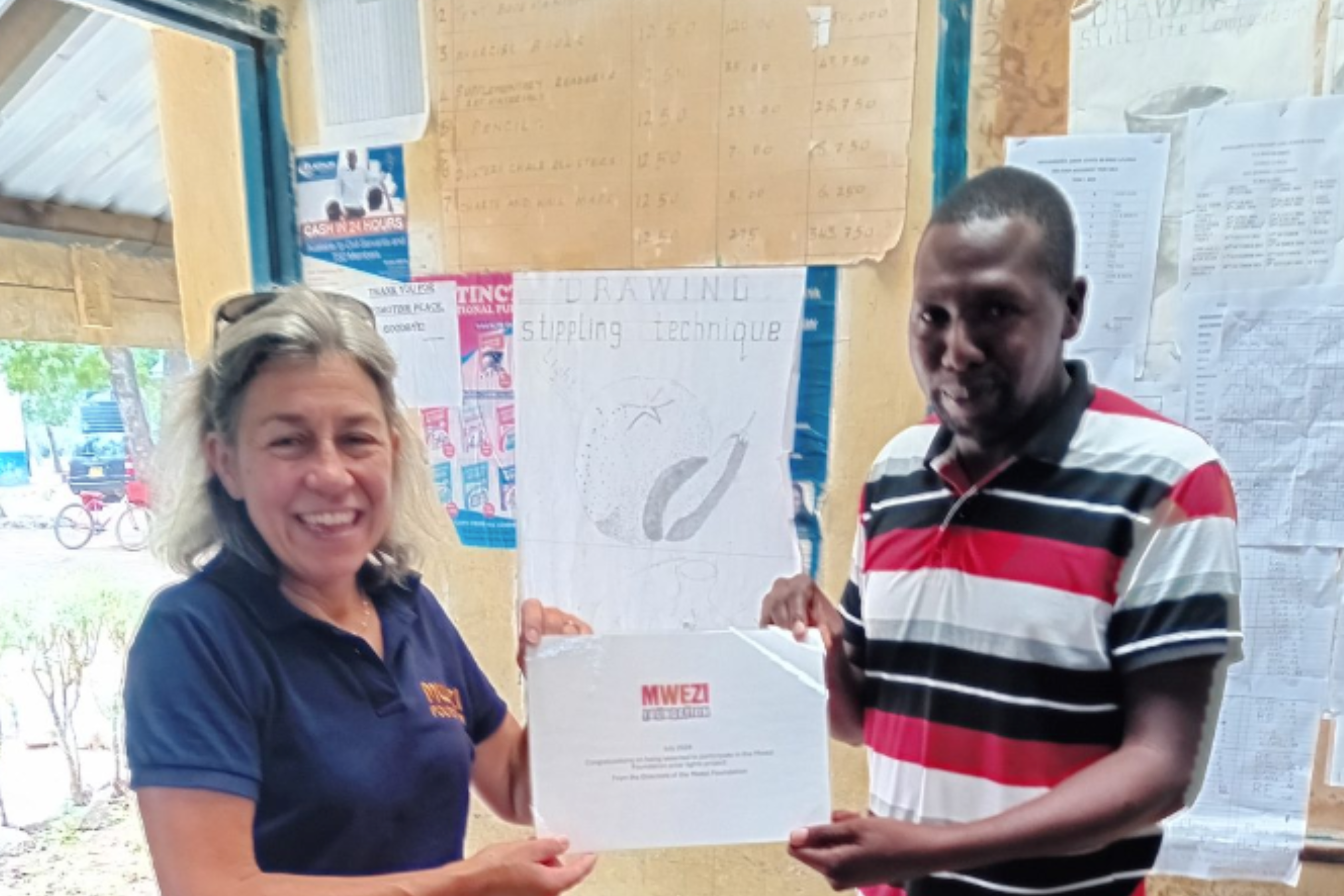
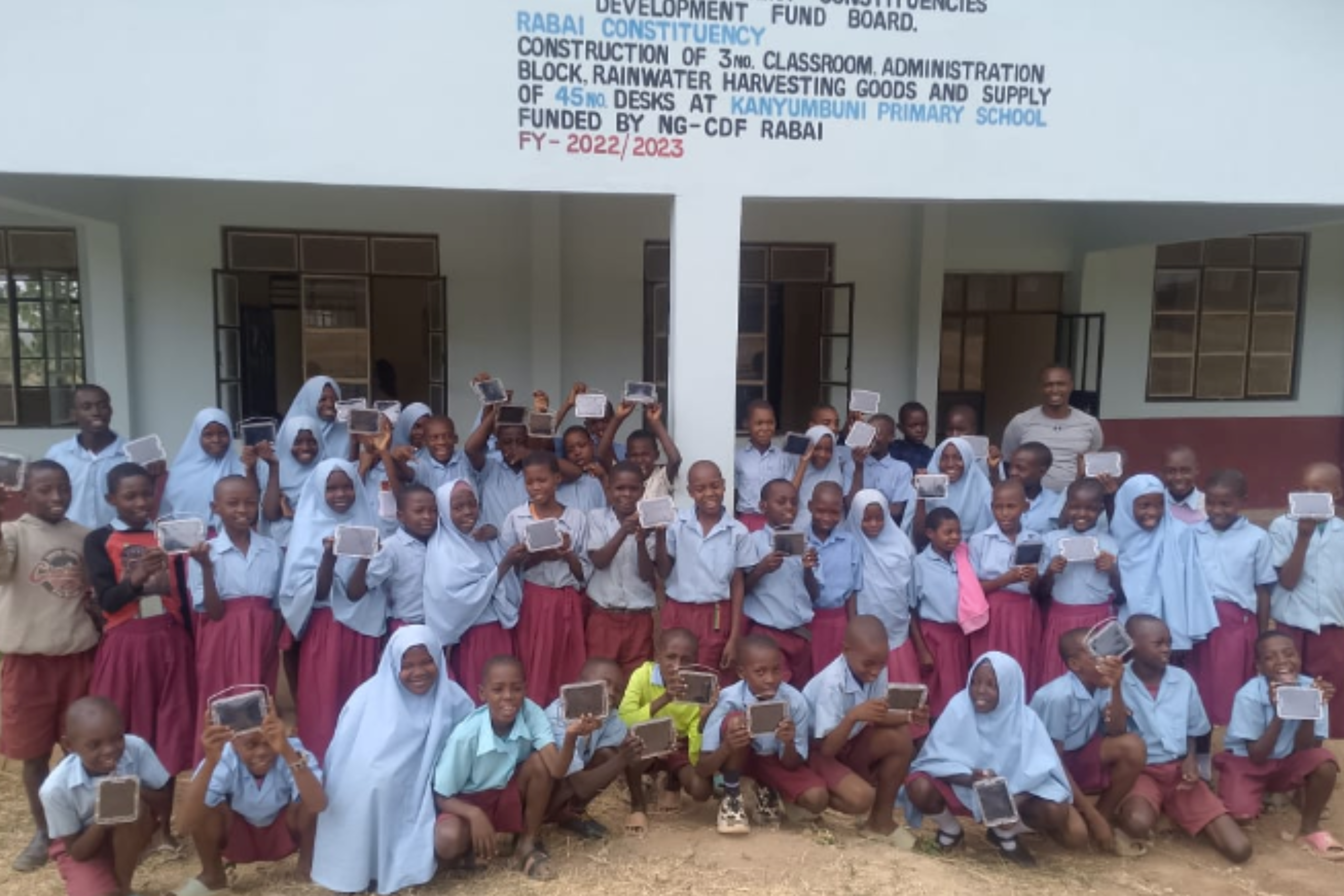
In 2023 NextEnergy Foundation supported the program of Mwezi Foundation (‘Mwezi’) for the distribution of portable solar lights among primary school children in Kenya to help them do their homework at night and achieve their full academic potential. Please read here for more datails on the previuos project.
Such a program started in 2015, when Mwezi partnered with three schools based in the Kilifi and Kwale Counties, Kenya. Today the program involves 240 schools based in these Counties.
In 2024 NextEnergy Foundation is supporting the further distribution of 552 portable solar lights to Mwezi primary schools. An observational study, with detailed monitoring and evaluation, will be conducted to test different methods of light management/distribution. The study will focus on comparing the impact of allocating pupils an individual light which they retain all academic year, against rota-based systems (i.e. sharing 1 light between 2 pupils, or 1 light between 3 pupils). Both the educational impacts and the broader social and community impacts will be tracked.
Lights will be allocated among nine schools and the distribution will start at the beginning of the school year, in January 2025.
In November 2025, at the end of the school year, the academic progress of students will be assessed based on the national average performance in Kenya Primary School Education Assessment (KPSEA) and comparing students with individual lights to those sharing on a rota of 1 to 2 and 1 to 3.
The main expected positive impacts of the project are:
Sustainability is at the heart of this project and of Mwezi’s mission. The portable solar lights have been designed so that all components can be taken apart and replaced. This ensures that there is no plastic waste and that the life-span of the lights is extended. The solar lights are assembled and repaired by Mwezi’s Technical Manager in their workshop in Likoni, Kenya. This provides local employment and reduces the air miles that would be required if the lights were to be transported to another country for repair.
A first progress report detailing the solar lights distribution and teachers’ quotes will be provided by Mwezi in February 2025. Please also visit Mwezi Foundation’s YouTube channel to see some of its work come to life: Mwezi Foundation – YouTube.
The Mwezi Foundation’s project, aimed at improving educational outcomes for students in rural schools across Kilifi and Kwale counties in Kenya through the distribution of solar-powered lights, was initiated in January 2024. The timeline is as follows:
Schools were selected based on past performance, audit report consistency, and cooperation with the Mwezi Foundation team. Different schools received varying numbers of lights, with some schools having one light per student and others sharing lights between two or three students. Parent meetings were held to inform about project objectives and guidelines.
In the coming months, a baseline survey will be conducted to assess lighting and study environment, academic performance, and socio-economic background. Regular monitoring and evaluation will track academic progress, light usage, and social benefits.
Specifically, the following project objectives will be assessed by the Mwezi Foundation:
The Pathfinder Project is progressing steadily, with strong engagement from schools and encouraging early results. A total of 640 solar lights have been distributed to 1,120 Grade 6 students across 11 schools in Kilifi and Kwale counties. Of these, 552 lights were funded by NextEnergy Foundation. The lights were allocated using three models: 1:1 (individual), 1:2, and 1:3 sharing ratios.
Each school signed a participation agreement and held parent sensitisation meetings. Students received training on light usage and maintenance, and baseline surveys were conducted to assess academic performance, lighting conditions, and study habits.
Monitoring visits were conducted by Mwezi’s Country Manager, who audited light usage, replaced faulty units, and collected progress data. Only seven replacements were required, all due to battery faults. No lights were lost or damaged within the Pathfinder group.
The mid-year evaluation reveals promising trends:
Notably, schools with individually assigned lights showed slightly greater gains. For example:
These results reflect overall class performance; comparative analysis between students with and without lights will be included in the next phase of the project
The Mwezi Foundation remains committed to transparent monitoring and promoting educational equity and sustainability in rural Kenya and will provide NEF with update after the end of the school year, in January 2026.
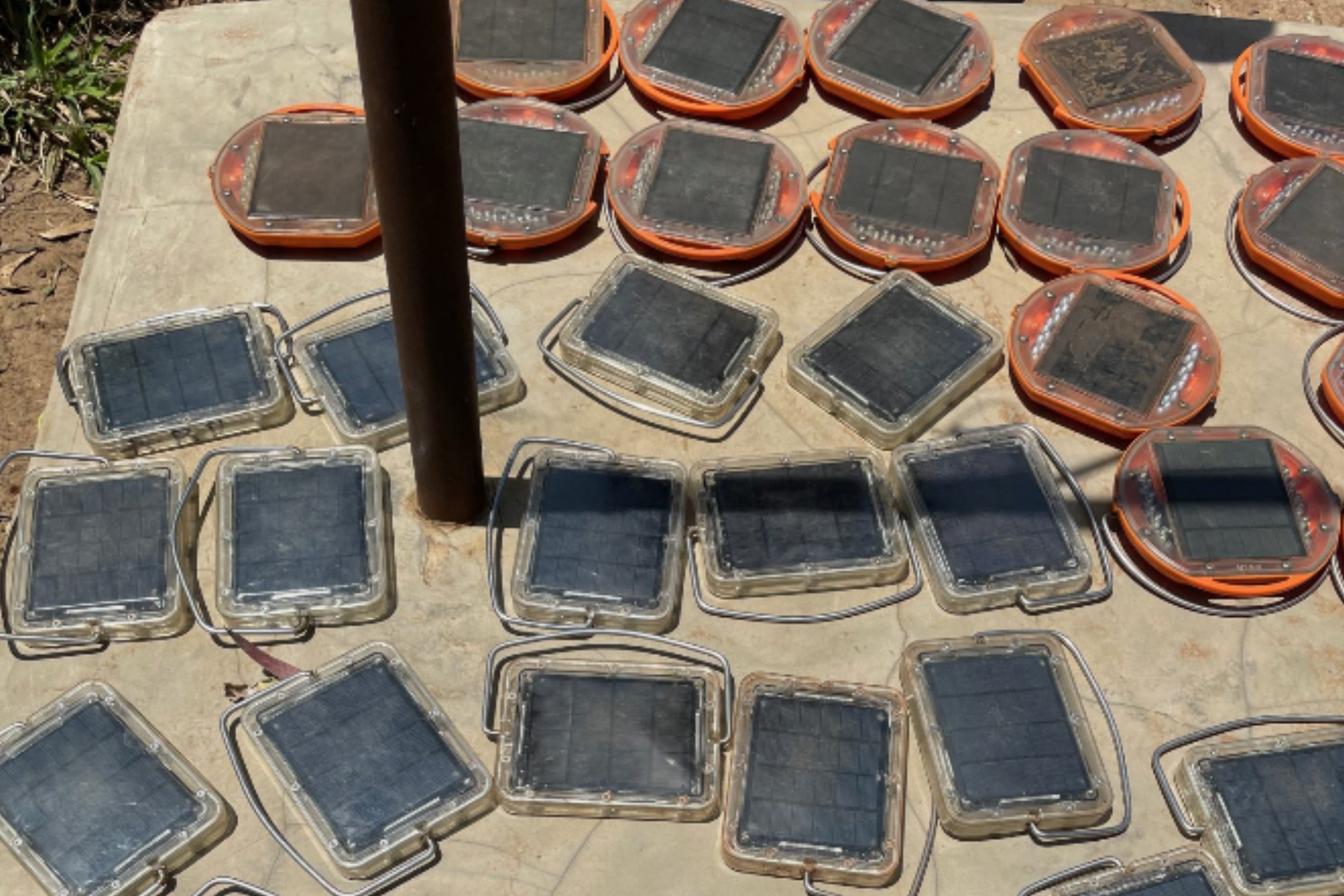

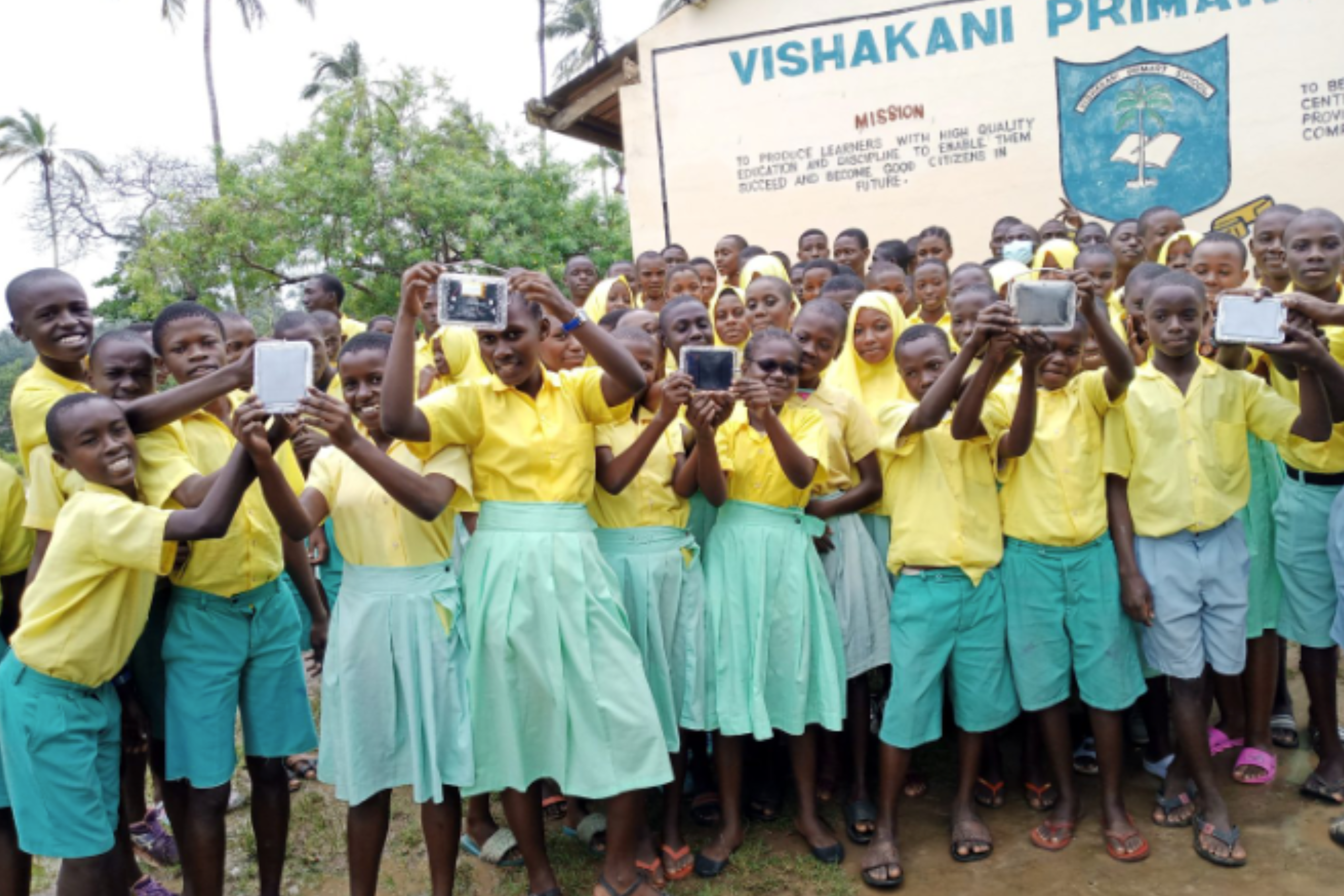
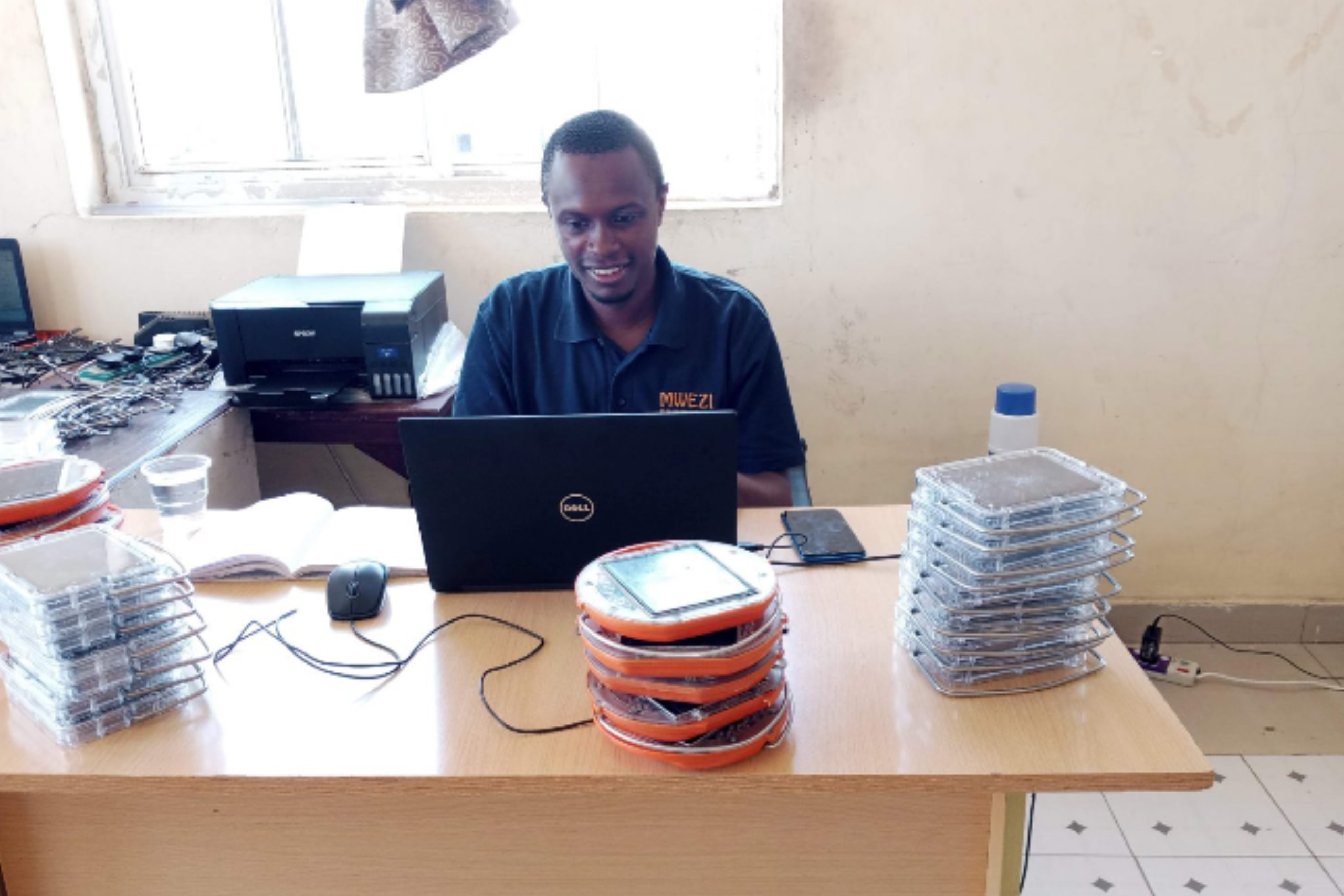
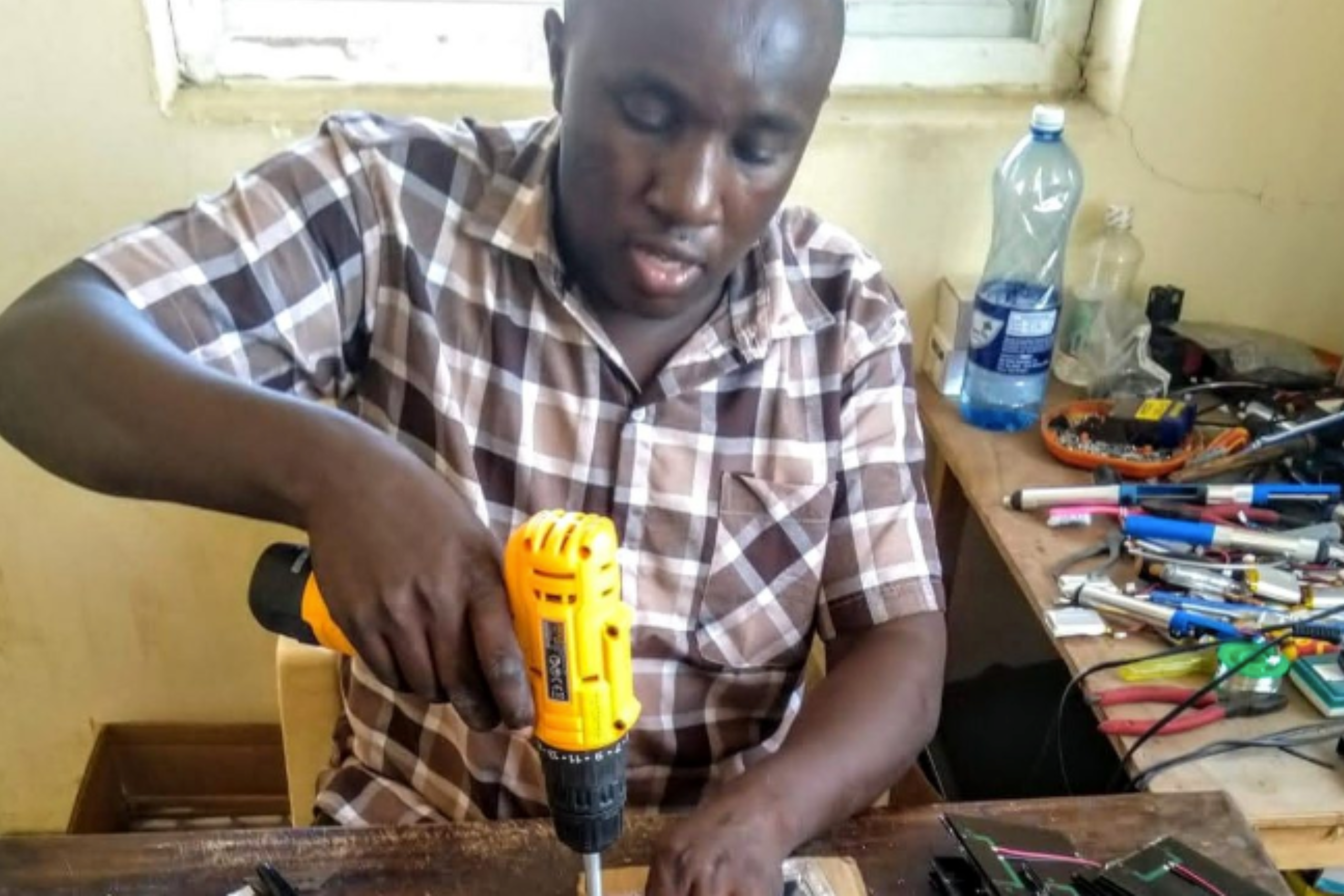
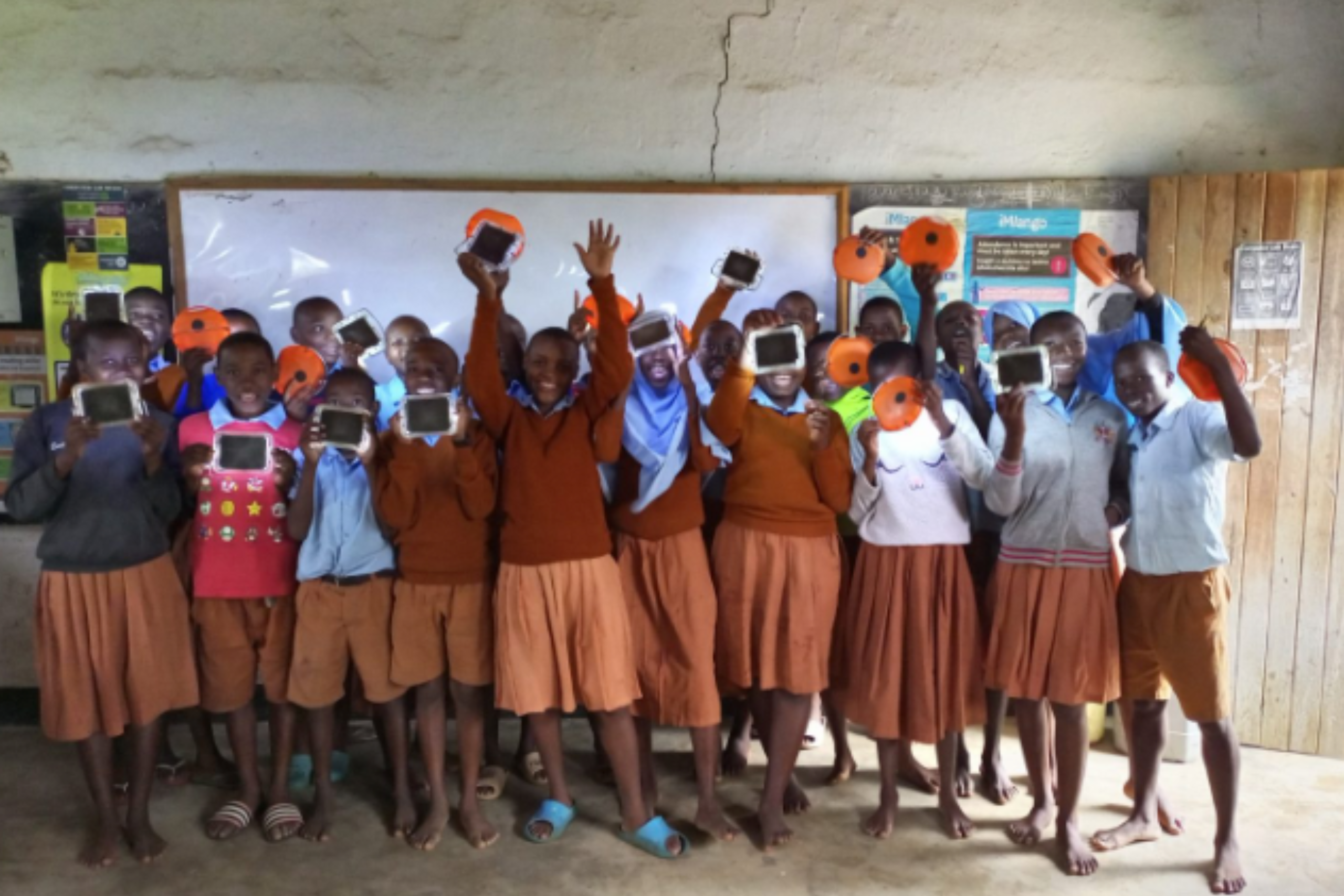
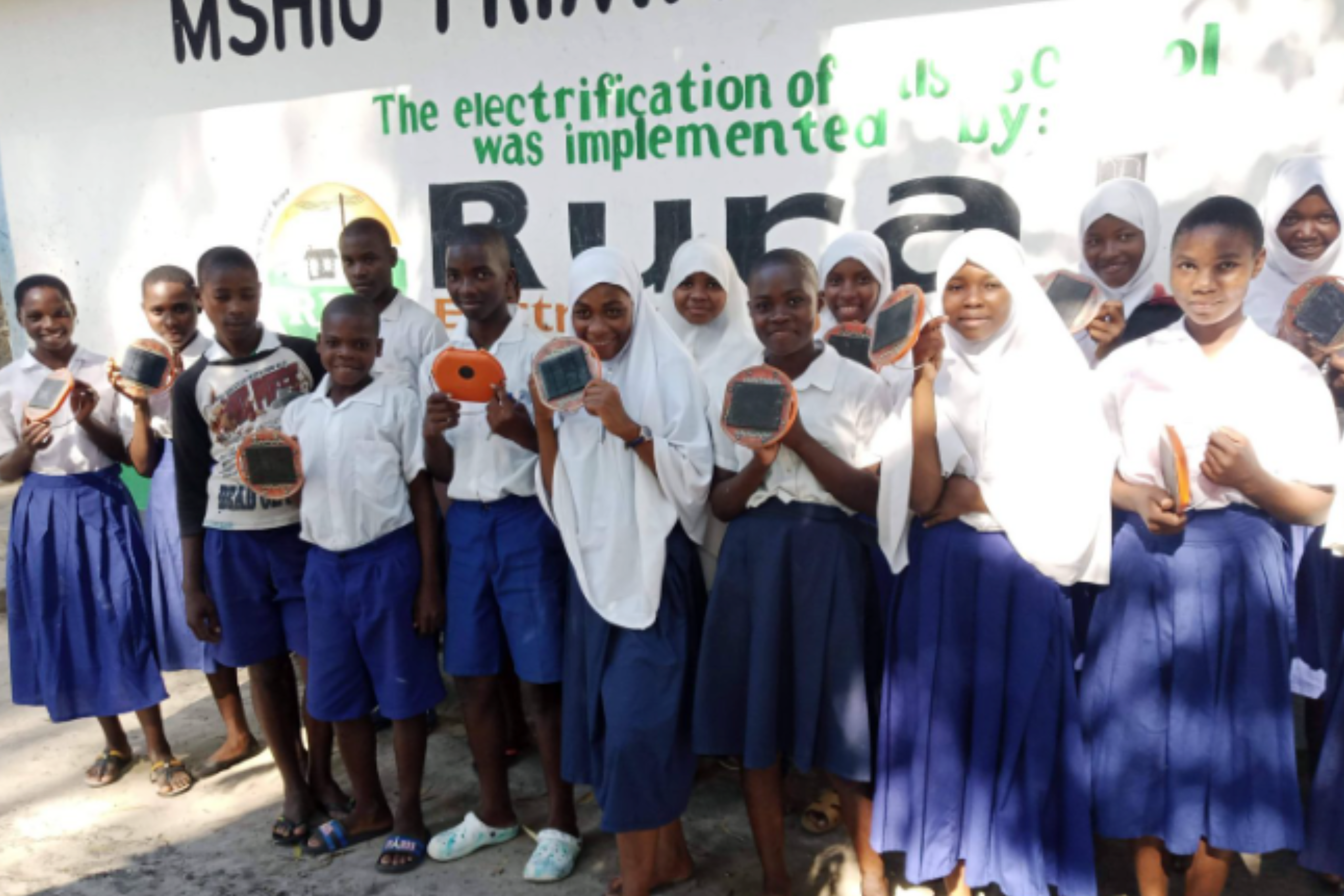
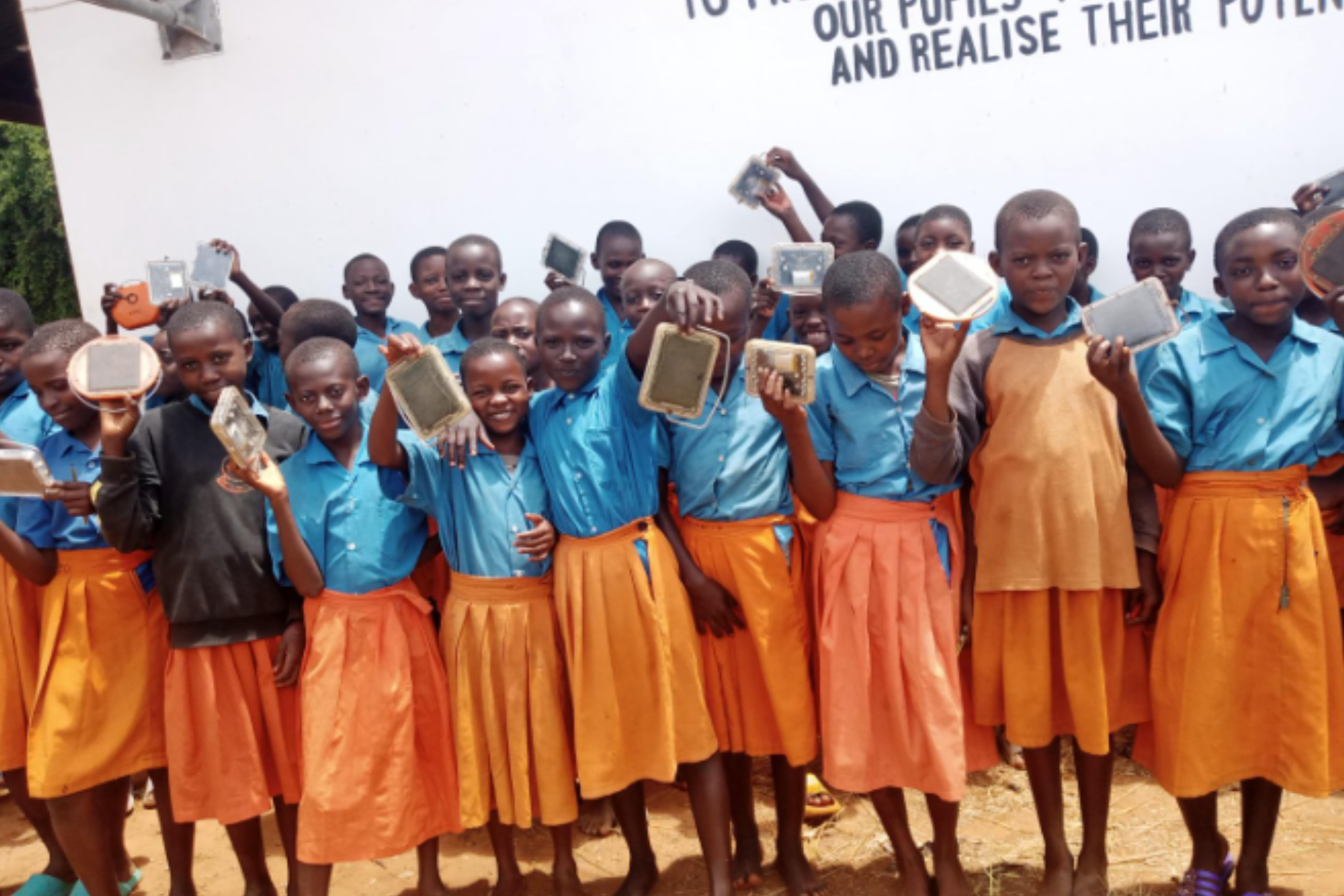
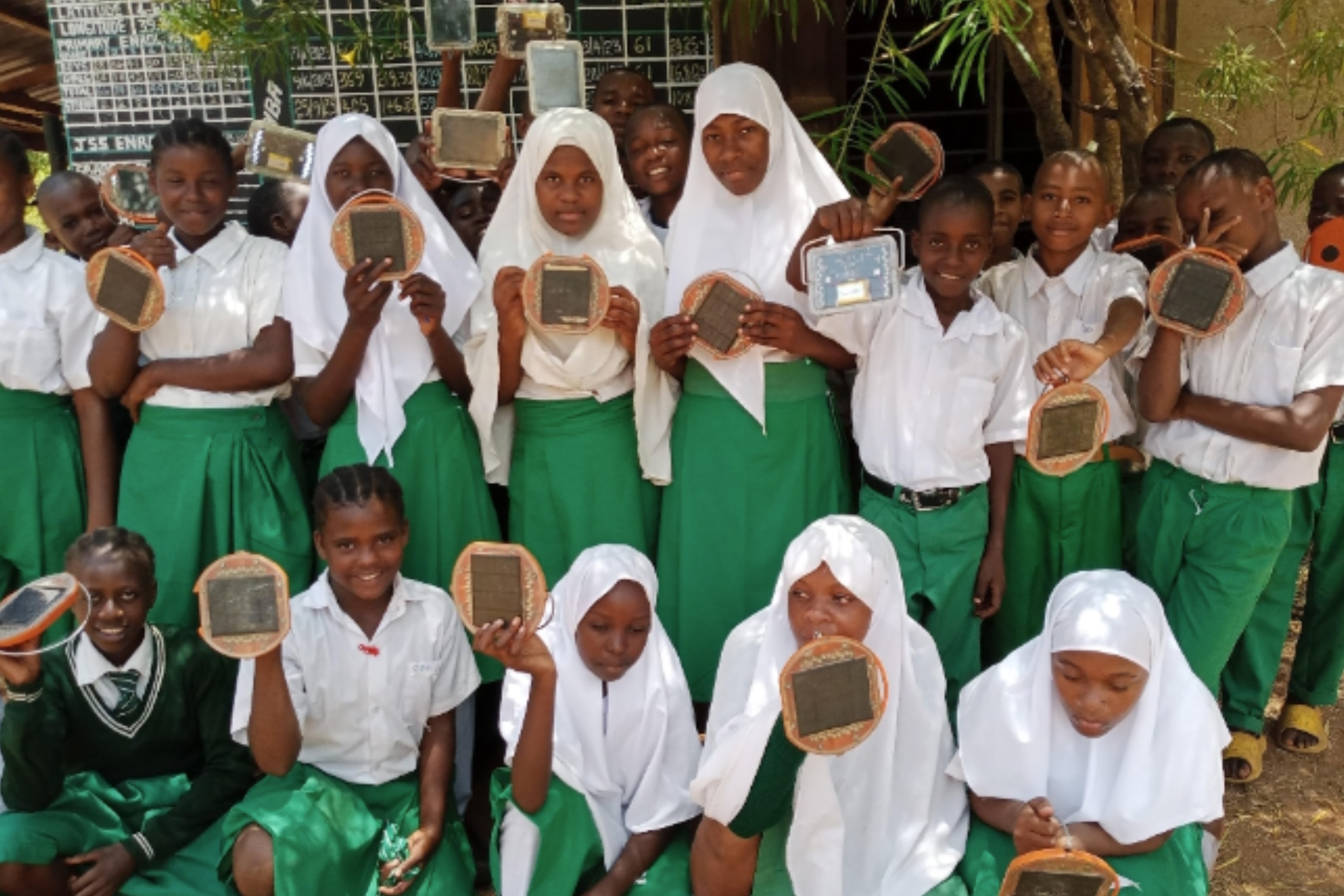
The Mwezi Foundation gives portable solar lights to primary school children in Kenya to help them to do their homework at night and achieve their full academic potential.
Mwezi partnered with its first three schools in the Kilifi and Kwale Counties of Kenya in 2015 and there are now over 150 Mwezi schools.
Mwezi provides lights to children in Class 8 (12-14 year-olds). Pupils borrow the lights overnight to do their homework, on a rota basis, so they can improve their grades and have a better chance of progressing to senior school, completing their education and breaking the cycle of poverty. Lights are free of charge to the schools and guaranteed indefinitely, unless they are lost.
There is a particular focus on gender as Mwezi has found that girls are more likely to remain in education if they are allocated a light. For this reason, four of Mwezi’s schools are ‘Focus Schools’, which means that all the girls in class 8 are allocated a light.
Sustainability is at the heart of the Mwezi Foundation. The portable solar lights have been designed so that all components can be taken apart and replaced. This ensures that there is no plastic waste and that the life-span of the lights is extended. The solar lights are assembled and repaired by Mwezi’s Technical Manager, John, in their workshop in Likoni, Kenya. This provides local employment, whilst also reducing the air miles that would be required if the lights were to be transported to another country for repair.
The Mwezi Foundation has fully repaired 97% of all broken lights to date, and all possible parts have been salvaged for the remaining 3%. In order to support Mwezi with its goal to reach 50% of the primary schools in the Kilifi and Kwale Counties by 2026, NextEnergy Foundation is funding the cost of repairs to Mwezi’s full solar light stock as of April 2023. This equates to 4,456 solar lights distributed to over 8,900 pupils in 154 schools. As a result, every year 179,487 additional study hours will be created and 1,335 tonnes CO2 emissions will be avoided by replacing kerosene lamps with the solar lights.
A first progress report detailing the impact of the donation will be provided by Mwezi in September 2023. Please also visit Mwezi Foundation’s YouTube channel to see some of its work come to life: Mwezi Foundation – YouTube.
Key impacts from the first six months of the project are below:
Mwezi more closely monitors the impact of the lights on four ‘Focus Schools’ which are schools where all girls in Class 8 (14-15 years old) are allocated a solar light. Impacts across these four schools include:
“When I am studying using the Mwezi solar light, my siblings can also do their homework. The light has also enabled me to study for more hours which has helped to improve my performance. I can complete my homework or assignment that the teacher has given me on time.”
“The Mwezi light has helped us to see clearly and read comfortably. It helps us to save the money for buying kerosene.”
During the first year of the Project, 240 schools have been involved and a wide range of parameters related to light repairs have been monitored. Here are the main outputs:
The project achieved positive social and environmental impacts in the first year:
Below are some quotes from the teachers on the impact of the solar lights:
Teacher Juma of Makobeni Primary School :
“because of the support you extended to our pupils through the donation of portable solar lamps and regular replacement of damaged lamps, our school emerged the top in Rabai Sub-County in the 2023 KCPE exams, with 89% of the pupils scoring over 250 marks…We are extremely grateful for your partnership and look forward to greater achievements in future” [ed. The national average is 250, which includes Nairobi and other urban areas]
Teacher Fatma of M’bungoni Primary School:
“the solar lights have really assisted our pupils, with over 30% of the 2023 KCPE candidates qualifying to join national and extra-county schools for their secondary education…Through your support 11 pupils have managed to join national schools by getting 350 marks and above, 2 of them scoring above 400 marks, with another 13 securing places in extra-county schools by scoring between 300 and 349 marks…Their performance has also enabled some of them to secure scholarship opportunities for their secondary education with different entities” [ed. 400 marks would put them in the top 0.1% of the country]
Teacher James of Mulunguni Primary School:
“I would like to sincerely thank you and the entire organization for considering our school for the solar lamps. The lamps will be of great assistance to our learners and am sure this will improve the performance and lives of the beneficiaries. The donation is highly appreciated. On behalf of the Mulunguni school fraternity I say a big thank you”
Over the past 18 months, the NextEnergy Foundation funded the Mwezi Foundation to replace 4,453 solar lights in Kilifi and Kwale Counties. This funding enabled the Mwezi Foundation to collect, repair, and re-donate 3,239 lights, which is 72.7% of their total stock as of March 2023. The feedback process has identified the most frequently replaced components, with batteries being the most common.
The cost to repair and re-donate a light is approximately 77% lower than the cost of a new light. This significant cost reduction helps extend the life of the lights and minimizes waste, resulting in a notable economic and environmental achievement. The funding from the NextEnergy Foundation has been transformative, allowing the Mwezi Foundation to prioritize repairing lights even when funding for new lights is limited.
Grade 6 and Grade 8 students’ performance has been assessed for the first two terms of the school year (January – August 2024) using a new assessment system that bands students into four categories: Below Expectations (BE), Approaching Expectations (AE), Meeting Expectations (ME), and Exceeding Expectations (EE).
The main outcomes are:
Here is a quote from teacher Omar at Kizibe School assessing the positive impacts of Mwezi Foundation lights on the students’ lives:
“ I am writing to you with immense gratitude and excitement on behalf of Kizibe Comprehensive School. The solar lights provided by the Mwezi Foundation have been a beacon of hope and a catalyst for change in our students’ lives. Their ability to study after dark has not only improved their academic performance but also ignited a passion for learning that is truly inspiring. Our school is dedicated to nurturing the potential of every student and continued support from the Mwezi Foundation is crucial to this mission. The solar lights have already made a remarkable difference, fostering better study habits, enhancing exam performance, and boosting overall motivation among our learners.”
Between May 2023 and January 2025, NEF’s funding enabled the repair of 4,042 solar lights across 199 schools, reaching an estimated 12,000 students. The average cost per light repaired was just £2.80, demonstrating strong cost-efficiency despite the logistical challenges of rural service delivery.
The impact of the initiative includes:
NextEnergy Foundation’s continued support ensures that Mwezi’s circular repair model remains sustainable, impactful, and community-driven.